
Unbiased headlines. Facts, not spin.
Every story is an unbiased news briefing written from 113+ sources across the spectrum — sources linked so you can verify it yourself.
 economy
Major Story (8/10)
Event date: September 21, 2026
economy
Major Story (8/10)
Event date: September 21, 2026
China Leaves Raw Soybeans Out of New Tariff Deal, Has Bought Only Half Its Pledged Purchases
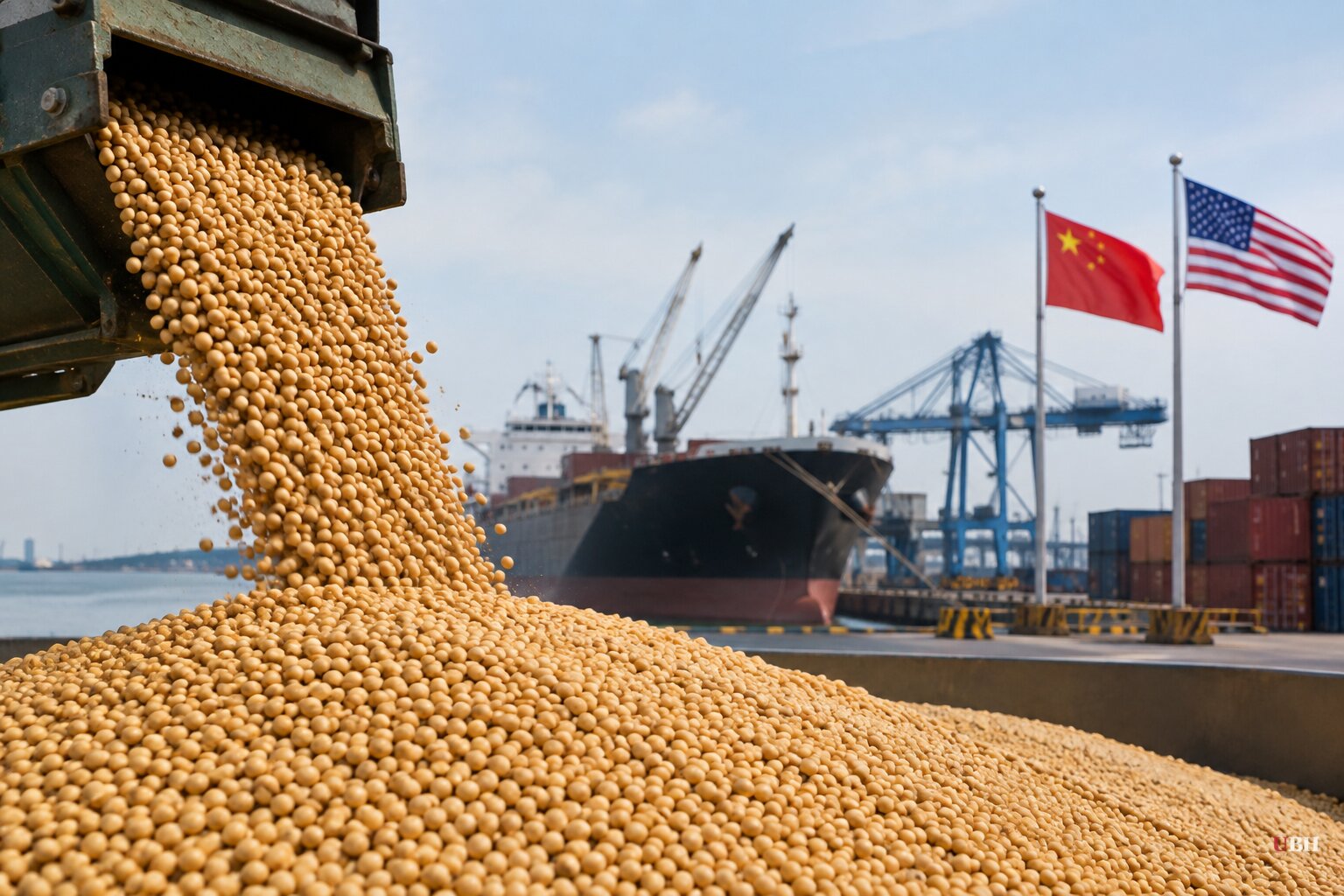
President Donald Trump hosted Chinese leader Xi Jinping for a state visit in Washington last week, the first time Xi has been to the U.S. capital since 2015. The two sides agreed to lower tariffs on roughly $30 billion worth of goods flowing each direction. China's list covers 1,619 U.S. products, everything from beef and seafood to cosmetics and medical gear, according to Fortune.
Raw soybeans, the ones American farmers ship to China by the millions of tons, are not on that list. Fortune reports that seed soybeans, soybean flour and processing by-products got tariff relief, but the bulk commodity soybeans at the heart of years of trade friction did not.
Soybeans are the country's second-largest agricultural export after corn, worth $16.5 billion last year according to the U.S. Department of Agriculture. China buys more soybeans than any other country because it has limited farmland of its own.
The Pledge vs. the Purchases
In November 2025, Trump secured a commitment from Xi that China would buy at least 25 million metric tons of U.S. soybeans annually in 2026, 2027 and 2028. After Trump traveled to China in May 2026, the first U.S. presidential visit there since 2017, the White House announced Beijing had also agreed to buy at least $17 billion in additional agricultural products.
But American Soybean Association President Scott Metzger told Fox News that China has bought only half the soybeans it agreed to purchase. Beijing's 10% retaliatory tariff on U.S. soybeans, imposed during the earlier trade war, still hasn't been lifted, and it doesn't apply to Brazil or other competitors, according to Reuters reporting carried by KFGO.
An unnamed U.S. soybean exporter told Reuters that tariff is exactly what's keeping private Chinese crushing companies out of the market, even though state-run importers COFCO and Sinograin have returned to buying American beans this summer. Removing that tariff, the exporter said, would make U.S. soybeans price-competitive again on the Pacific coast.
Brazil Has the Leverage
China doesn't need American soybeans the way it once did. Brazil overtook the U.S. as China's top soybean supplier more than a decade ago, and the USDA now says 71% of China's soybean imports come from Brazil, according to Fortune. Ker Gibbs, former president of the American Chamber of Commerce in Shanghai, told Fortune that bulk soybeans are interchangeable once they're crushed into livestock feed, so China's pigs don't care whether the beans came from Iowa or Mato Grosso.
Before the first Trump trade war in 2018, 28% of all U.S. soybean production went to China, according to the American Soybean Association. Today China takes in roughly half of U.S. soybean exports, down from nearly two-thirds before Trump first took office, according to Reuters via KFGO. When China slapped a 25% retaliatory tariff on U.S. soybeans in 2018, the USDA estimated farmers absorbed $9.4 billion in losses, with Iowa losing $1.2 billion and Illinois $1.3 billion.
The Administration's Defense
U.S. Trade Representative Jamieson Greer says the overall U.S.-China trade deficit is falling fast, from $297 billion in 2024 to $202 billion in 2025, and on track to hit $140 billion in 2026, according to Fox News. Ambassador to China David Perdue argued the value of the summit isn't measurable in deliverables but in "continuing the conversation."
Treasury Secretary Scott Bessent spent 12 hours in talks with Chinese Vice Premier He Lifeng ahead of the Xi visit and came away with only a two-month extension of the existing trade truce, through Jan. 10, 2027, rather than a longer deal China had reportedly floated on rare earths. Epoch Times contributor Gina Loudon framed that short extension as leverage by design, arguing Beijing has to keep delivering before it gets more time. That's a characterization of strategy, not a fact independently confirmed by other sources.
Rep. Ashley Hinson (R-IA), now a U.S. Senate nominee, told Fox News Radio's Guy Benson Show that China has been "jerking us around for a long time" on soybean purchases and said she has legislation to hold Beijing accountable for trade violations, including allegations that Chinese steel is being routed through Canada to dodge tariffs.
Not every farmer is sour on the current state of things. Stan Born, an Illinois soybean and corn farmer and former chair of the U.S. Soybean Export Council, told the South China Morning Post that Chinese buying has picked up meaningfully compared to a year ago, when Beijing halted imports entirely. "US farmers genuinely appreciate the business relationship we have developed with Chinese buyers," Born said.
Grain markets aren't celebrating yet. Farm Progress reported grain prices falling as traders wait for concrete signs of Chinese buying rather than another round of diplomatic statements. The open question heading into harvest is whether China closes the gap on its 25-million-ton soybean pledge before the truce's Jan. 10, 2027 deadline, or whether Brazil's growing market share makes that target permanently out of reach.
Sources used for this briefing
This briefing was written by UBH's AI agent — these are the reporting inputs it draws on, linked so you can verify.


