
Unbiased headlines. Facts, not spin.
Unbiased Headlines is an independently owned news organization. We bring you the facts, not opinions, written fresh from 110+ named sources. Sources linked so you can verify it yourself.
 economy
Major Story (8/10)
Bessent Urges Fed to Reject Half-Point Hike as Nasdaq Falls More Than 2% in Morning Trading
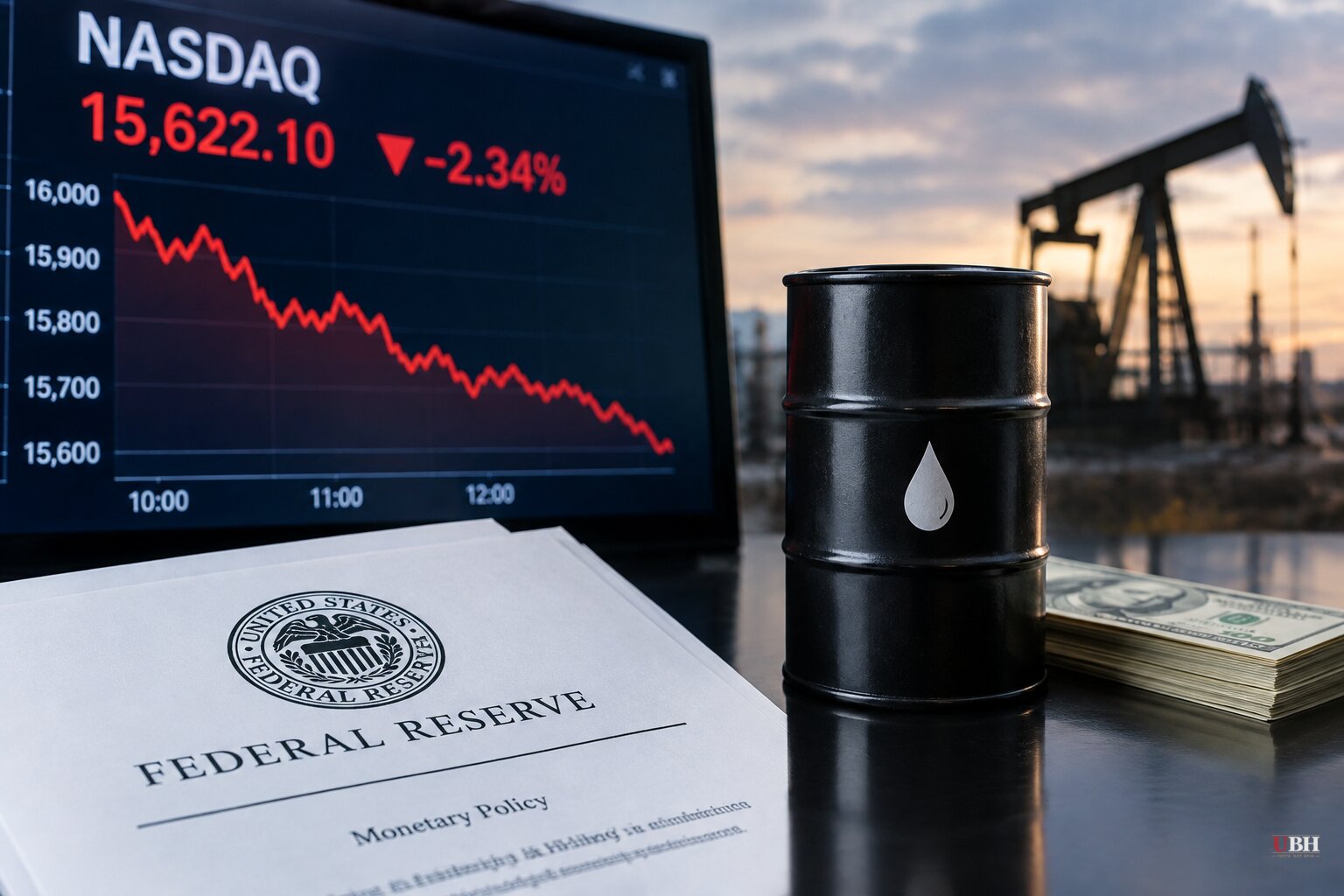
Treasury Secretary Scott Bessent used a CNBC interview today, Friday, Nov. 20, to tell the Federal Reserve not to embrace a half-point rate hike at its Dec. 8-9 meeting.
He pointed to two things: the energy supply shock tied to the Iran war and a drop in crude delivery prices.
Bessent also took a swipe at a Fed governor he did not name. The governor now backing a 50 basis point hike, he said, had wanted a cut of the same size within the last year. It "seems somewhat peripatetic" to want the bigger move only 11 or 12 months later.
"I would encourage the Fed to look forward, not backwards," Bessent said.
A week-old argument, sharper now
This is the second Friday in a row Bessent has made the case on CNBC. On Nov. 13 he said the Fed should "have an open mind" and not hike because of an energy supply shock, while "the underlying US economy is very strong."
Then he said: "The Fed's supposed to look into the future, not look in the rearview mirror."
He also said he was not giving orders. "I'm not going to tell the Fed what to do," he said. Reversing course in a dramatic way over an energy shock, after three rate cuts over the same period last year, "isn't something that I would do if I were on the Fed. But I'm not on the Fed."
What the Fed is weighing
The federal funds rate sits at 3.75% to 4.00%. The Fed raised rates in September for the first time in more than three years and held steady in October. Chairman Kevin Warsh has said policymakers are watching data to decide whether more tightening is needed.
Minutes of the October meeting showed nearly all officials expect a quarter-point hike in December. Two floated a larger one.
Waller said two days ago on CNBC that a half-point hike is probably necessary in December and that the central bank may need to "shock people." He said inflation is "headed in the wrong direction, and it's spreading out." Bessent did not say whether he was referring to Waller.
Chicago Fed President Austan Goolsbee declined Thursday to rule out a bigger move. "We've now had multiple months in a row of borderline disturbingly high inflation rates with little progress in the sectors where we would expect to be seeing some progress," he told reporters. "So everything's always on the table."
The committee is not united on going big. New York Fed President John Williams said Tuesday, "I don't think the situation calls for dramatic action." St. Louis Fed President Alberto Musalem, meanwhile, has suggested as many as four hikes by spring 2027.
Citi still expects a quarter-point increase in December. Global chief economist Nathan Sheets said Thursday he does not see a need for 50 basis points. In a Friday note, the bank wrote that "Fed officials will consequently have little appetite to hike into an equity sell-off." Citi expects a hold after December and cuts later in 2027.
Markets and the data
The jobs numbers have not made the case for patience easy. The Labor Department reported 165,000 jobs added in October, stronger than expected.
Energy prices had climbed 20.4% year over year by September. The Labor Department could not collect October 2025 data because of last year's government shutdown, so there is no year-over-year comparison for October 2026.
Markets were rattled again today. The Nasdaq Composite dropped more than 2% in morning trading and the VIX volatility index topped 30, its highest level since March. The 10-year Treasury yield fell more than 10 basis points to 4.95%.
Bitcoin traded near $59,700 shortly before 11 a.m. ET, down more than 5% on the day. It broke below $60,000 for the first time since early July and is on track for a seventh straight weekly loss.
CME's FedWatch tool showed more than a 98% chance of a quarter-point hike in December. The Nov. 13 reading for a move to 4.00%-4.25% was about 89%. FedWatch is a market-implied gauge, not a Fed decision.
The Fed sets rates, not the Treasury. Bessent's case rests on timing: energy prices are falling and the shock is passing. Waller's and Goolsbee's case rests on breadth: inflation is spreading and credibility is at stake.
Both sides are working from the same data. The committee's choice between 25 and 50 basis points will come out of the Dec. 8-9 meeting, with the decision on Dec. 9.
Sources used for this briefing
7 links from 7 independent newsrooms (syndicated copies of the same report count once)
These are the sources it draws on, linked so you can verify.


