
Unbiased headlines. Facts, not spin.
Unbiased Headlines is an independently owned news organization. We bring you the facts, not opinions, written fresh from 110+ named sources. Sources linked so you can verify it yourself.
 economy
Notable (5/10)
Event date: November 19, 2026 ·
Japan Weighs Lifting 76-Year Ban on Fresh US Potatoes as Hokkaido Farmers Push Back
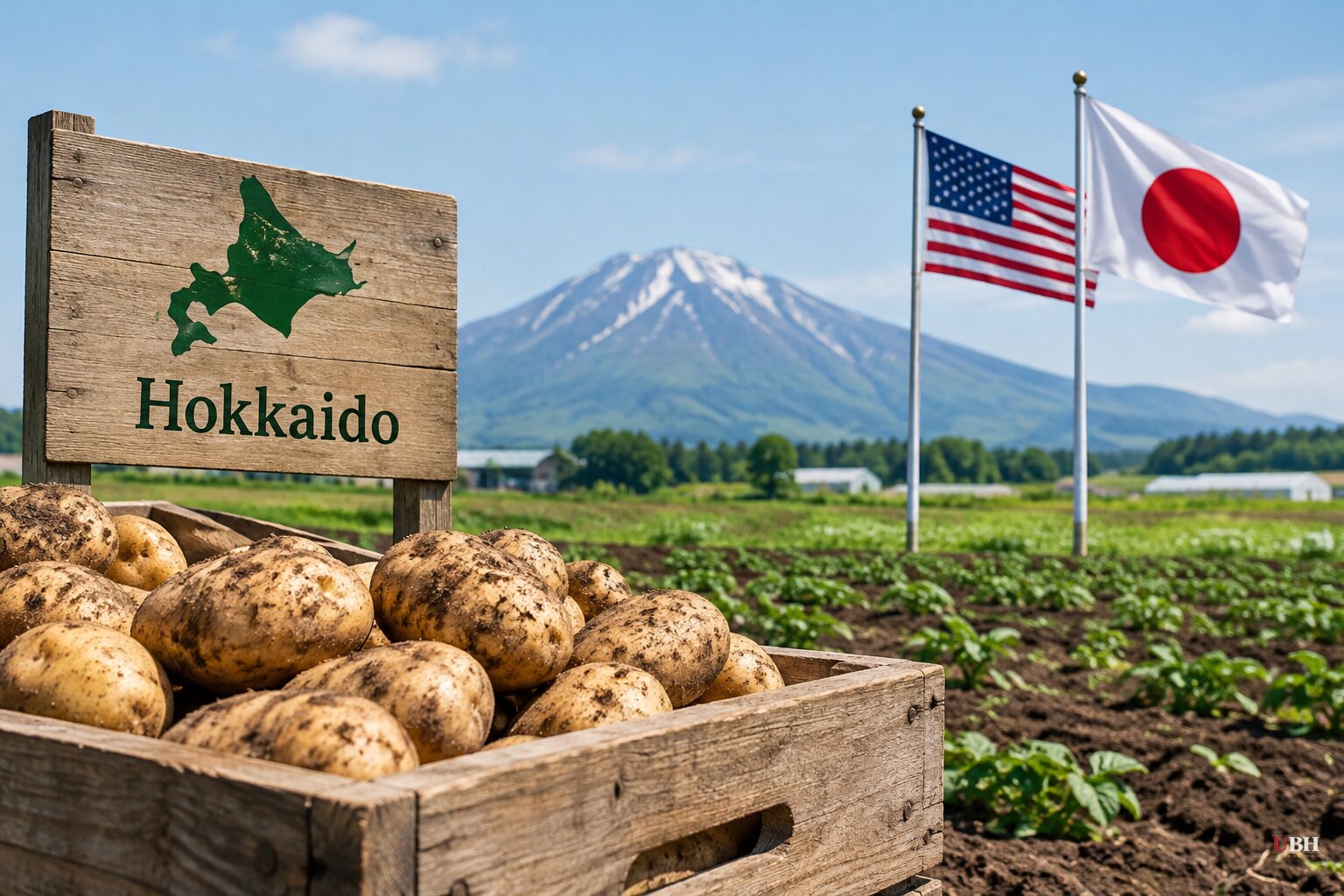
Japan's ban on fresh American potatoes has stood since 1950. It may not stand much longer.
The proposal to lift it has not been confirmed. But Japan's Ministry of Agriculture, Forestry and Fisheries is moving ahead, according to Japanese media reports: first identifying the diseases and pests that imports could bring, then seeking safeguards from the United States.
How the pressure built
Washington first asked Japan to open its potato market in 2020, during Trump's first term. The request has intensified since.
In March, U.S. lawmakers urged Trump to raise the issue in a planned meeting with Prime Minister Sanae Takaichi. It came up again in September, when Japanese officials visited Washington.
Observers cited by Al Jazeera say Tokyo is considering the move partly as a bargaining chip in Trump's trade and tariff fights. No Japanese official has said that publicly. Japan is also operating under a $550 billion investment agreement with the U.S., according to The Japan Times.
For American growers, the ask is simple: access to a wealthy market that currently shuts out fresh potatoes. That is a fair thing for a U.S. administration to demand in trade talks. Whether Japan agrees is Japan's call.
What Japan allows now
Tokyo already made one exception. Since 2006, it has accepted U.S. potatoes, but only for making crisps.
The conditions are strict. The potatoes arrive in sealed containers and go to factories, where they are cooked at high heat to kill pests and diseases.
Ending the ban entirely would put fresh American potatoes on restaurant menus and supermarket shelves for the first time since 1950.
The farmers' case
Japan imports roughly 60% of its food. Raw potatoes and rice are where it has long drawn the line.
Farmers say the risk is not abstract. The agriculture ministry itself has listed at least 21 pests and diseases that could infect Japanese potatoes if the ban goes. Officials say they plan to discuss measures to reduce those risks.
The worry that comes up most is cyst nematodes, tiny worms that damage potato roots and persist in soil for years. Authorities found them in parts of Hokkaido in 2015, and affected areas remain under restrictions.
"Once pests get in, you can't grow potatoes for more than a decade," Hokkaido farmer Naohiro Makino told the newspaper Asahi Shimbun in September.
Toshihide Numasawa of the Japan Agriculture group in Hokkaido said the group has "repeatedly and unequivocally stated our opposition to imports," citing the "risk of pests and diseases entering the country and damage to Hokkaido's production areas." Hokkaido grows about 80% of Japan's potatoes.
Growers also say cheaper imports would undercut their sales. Numasawa added that Hokkaido farmers are already dealing with homegrown pest outbreaks, climate pressures and rural depopulation.
Demonstrators gathered outside the Agriculture Ministry in Tokyo on October 13 to protest any opening to U.S. potatoes.
A minister with a local stake
The fight has landed on the desk of Arata Takebe, Japan's new agriculture minister. His constituency sits in prime potato-growing country in Hokkaido.
Takebe has said the plan "should progress after thorough scientific and technical discussion." That wording leaves the door open without committing to a date or an outcome.
Japanese consumers ate 3.5 million tons of potatoes in 2024, according to the agriculture ministry. The country grows more than 90 varieties, and growers argue shoppers already know which ones suit which dishes.
What comes next
The ministry's pest-risk review is the next concrete step. After that, Tokyo would have to decide whether U.S. safeguards are enough to satisfy growers who say they have already given their answer.
The open question is whether the technical review, not the trade talks, ends up setting the timetable. Neither Takaichi's office nor the ministry has announced a decision or a date.
Sources used for this briefing
6 links from 4 independent newsrooms (syndicated copies of the same report count once)
These are the sources it draws on, linked so you can verify.


