
Unbiased headlines. Facts, not spin.
Unbiased Headlines is an independently owned news organization. We bring you the facts, not opinions, written fresh from 110+ named sources. Sources linked so you can verify it yourself.
 economy
Major Story (8/10)
Missile Attack Damages Saudi Wealth Fund's Riyadh Tower as Fund Reportedly Scales Back Foreign Bets
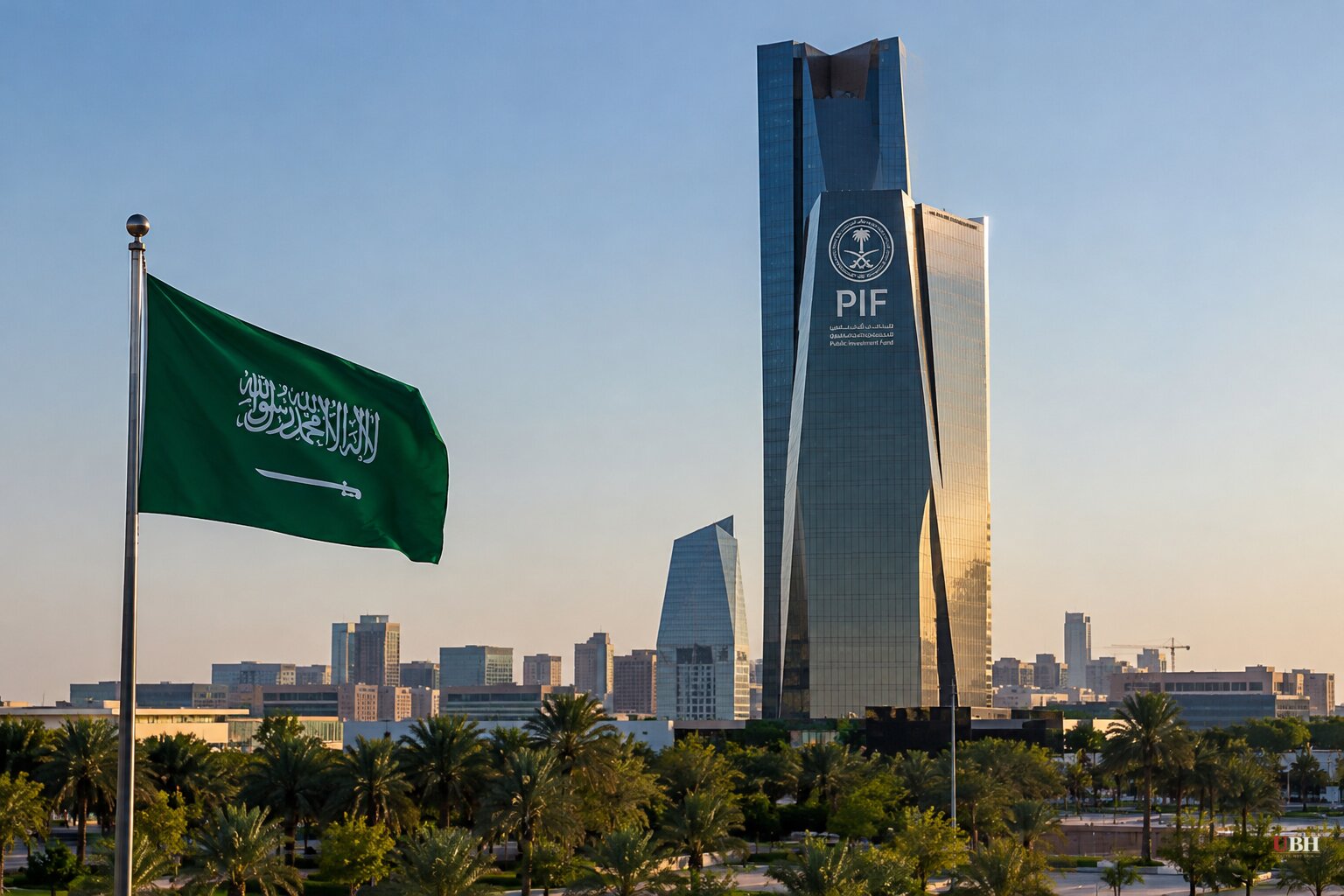
Since the U.S. and Israel went to war with Iran in February, Saudi Arabia has taken hits to its airport, its oil facilities and its shipping lanes. On Thursday, Nov. 19, the war reached the headquarters of the fund that finances Crown Prince Mohammed bin Salman's economic overhaul.
Saudi civil defence said, through the state news agency SPA, that the attack caused material damage to several floors of the Public Investment Fund (PIF) Tower and nearby buildings. No injuries were reported. A civil defence spokesman said authorities took all necessary measures to protect people and property.
The Saudi-led coalition's account shifted during the day. It first said it had dealt with a missile threat toward Riyadh and that falling debris appeared to have caused the damage. Coalition spokesman Maj. Gen. Turki Al Malki said damage was still being assessed and did not initially say whether the missile had been intercepted.
Oil reacts, but not by much
Brent crude rose 79 cents, or 0.9%, to $92.77 a barrel by 0404 GMT today, Friday, Nov. 20. U.S. West Texas Intermediate for December delivery added 25 cents to $83.46. Both benchmarks had settled little changed Thursday, the day of the attack.
The bounce does not change the week. Reuters said Brent was still on course for a 3.5% weekly decline and December WTI for a drop of almost 6%, a third straight weekly loss for both.
Analysts disagree on what moved prices. Satoru Yoshida of Rakuten Securities pointed to the Houthi attacks on Riyadh and expected OPEC+ production cuts. UOB Group analysts cited Iran's attacks on tankers in the Strait of Hormuz, which they put at roughly one incident per day in November. Saxo analysts said near-term demand worries, tied to an unwinding of the AI trade and broader risk-off sentiment, were weighing on crude. Asian shares were heading for their worst week since 2020.
A fund that grew without limits
The tower is a symbol as much as an office. Since 2015 the PIF's assets have grown about 600% to more than $900 billion. The fund has bought into soccer, tech, California EV maker Lucid and London's Heathrow Airport, while building tourism and entertainment megaprojects at home.
That money reaches far beyond the kingdom. In August, MBS signed a €6 billion deal to build three theme parks, apartments, hotels and infrastructure in Cergy, outside Paris. Jean-Paul Jeandon, the area's president, said that without the Saudi deal the town faced poor growth prospects.
Vision 2030, the crown prince's plan to cut the kingdom's dependence on oil, rests on foreign visitors, foreign partners and a steady flow of capital. The Council on Foreign Relations warned in May that "there is no obvious, equally large capital source waiting in the wings" if Gulf money tightens. The UAE's sovereign wealth fund, the obvious alternative, is also under strain from the war.
What the numbers show
The case that the kingdom is holding up rests mainly on oil. According to figures based on OPEC statistics, Saudi crude output reached 10.6 million barrels per day in October, matching the level before the February war. Research firm Kepler put crude exports at 6.7 million barrels per day in both September and October, above the pre-war 2025 baseline of 6.2 million. Aramco moved most shipments back to Ras Tanura in September and restored the East-West pipeline within days of an attack.
The rest of the picture is weaker. Refined product exports remain at roughly 70% of pre-war capacity. BigGo Finance's summary of the data says third-quarter GDP fell 3.8% and the fiscal deficit widened to about $22 billion.
The same summary says the PIF has decided to withdraw its LIV Golf investment, scrap stadium plans for the 2034 World Cup and lower its cap on overseas investments. Neither the PIF nor the Saudi government has been quoted confirming those decisions in the material reviewed for this story, so they stay attributed to that report.
The tension is built into the numbers. Oil output and exports are the strongest part of the Saudi picture, and Vision 2030 was designed to reduce reliance on exactly that. BigGo's summary says the government is redirecting resources toward protecting energy infrastructure, which pushes the economy back toward oil.
Saudi officials, according to Fortune's reporting, increasingly worry that businesses will pick partners elsewhere rather than risk being caught in a country at war. If they do, the effect would outlast the fighting, and the U.S., the largest recipient of Saudi investment, would feel it most.
The Saudi government has promised to host the six-month World Expo in Riyadh in 2030 and the 2034 FIFA World Cup. Whether the PIF confirms the stadium cutbacks, and whether foreign partners keep signing deals like the Cergy project, are the next tests of how much of Vision 2030 survives the war.
Sources used for this briefing
7 links from 6 independent newsrooms (syndicated copies of the same report count once)
These are the sources it draws on, linked so you can verify.


