
Unbiased headlines. Facts, not spin.
Unbiased Headlines is an independently owned news organization. We bring you the facts, not opinions, written fresh from 110+ named sources. Sources linked so you can verify it yourself.
 economy
Low Interest (4/10)
Event date: November 20, 2026 ·
Three Mexican Nationals Plead Guilty to Laundering Drug Proceeds to Mexico, Justice Department Says
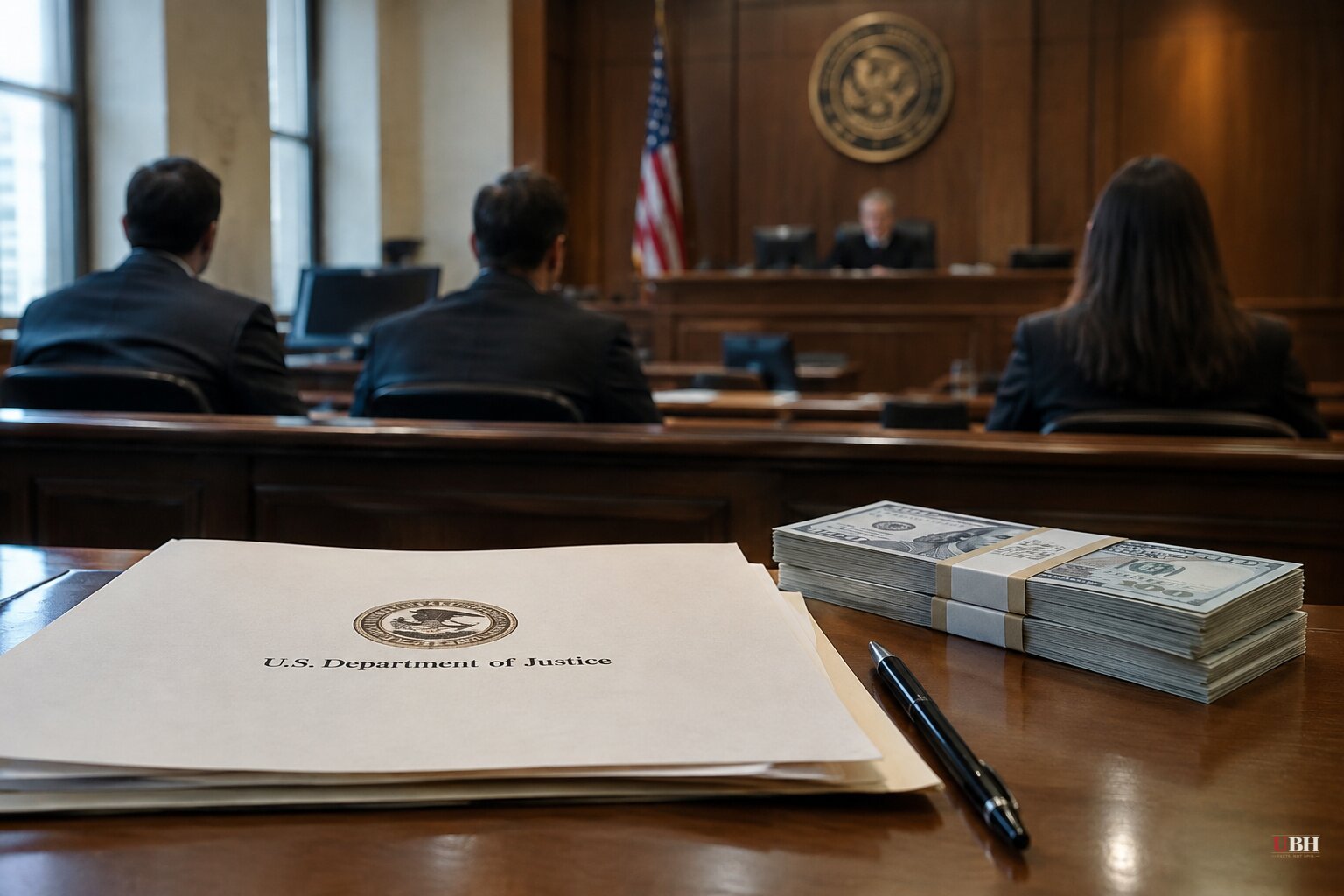
Three Mexican nationals have pleaded guilty to conspiring to launder drug money from the United States to Mexico, the Justice Department said.
Eliomar Segura Torres, 37, Juan Carlos Michel Martinez, 41, and Manuel Ignacio Correa, 45, each pleaded guilty to money laundering conspiracy. The case traces to a May 3, 2024, indictment.
Sentencing dates and penalties
Segura Torres and Michel Martinez are set to be sentenced on Feb. 18, 2027. Correa's sentencing is scheduled for March 4, 2027.
Each faces up to 20 years in prison. A federal judge will set the actual sentence using the sentencing guidelines and other factors.
The court record also points to possible forfeiture of $190,000 in seized cash and at least $20 million involved in the crime.
How the court record says the money moved
The court record describes a system built by Mexican cartels to get the proceeds of heroin, fentanyl, cocaine and methamphetamine sales out of the United States.
The old method was physical. Dealers packed cash and shipped it south. That was difficult, and U.S. law enforcement could seize the shipments.
The indictment says technology changed that. Cash now moves through cryptocurrency exchanges and electronic transfers between bank accounts.
According to the indictment, cartels pay "money brokers" based in Guadalajara and Mexico City a percentage of the money they successfully get into Mexico.
Those brokers arrange couriers to pick up cash in U.S. cities. The couriers deposit it into bank accounts or buy cryptocurrency. The money is then shifted from account to account, which makes its origin hard to trace.
The roles of the three defendants
The court record says Segura Torres offered contracts to brokers Michel Martinez and Correa to launder proceeds from fentanyl, cocaine, heroin and methamphetamine sales.
Michel Martinez and Correa then arranged the laundering with co-conspirators around the United States, using cryptocurrency and wire transfers, according to the court record.
The pleas are admissions to the conspiracy charge. The Justice Department's account of the broader broker system comes from the indictment and court record in this case.
The agencies behind the case
The Justice Department said several federal agencies worked the investigation. The DEA Detroit Field Division and IRS Criminal Investigation Detroit were involved, working with the DEA's Austin and Lexington Resident Offices.
The DEA's Special Operations Division also took part. So did DEA offices in Mexico, Atlanta, Chicago, Denver, Houston, Tulsa, Oklahoma, and Youngstown, Ohio.
Deputy Chief Elizabeth R. Rabe of the Criminal Division's Money Laundering, Narcotics and Forfeiture Section and Deputy Chief Gary Todd Bradbury of the Eastern District of Kentucky prosecuted the case.
What the case shows
The indictment lays out a business with a clear structure: a contractor, two brokers, couriers in multiple U.S. cities, and a commission paid for every dollar that reaches Mexico. Stopping the drugs is only half of the job. Cutting off the cash flow is the other half, and this case went after it.
The $20 million figure in the court record is a floor, not a ceiling, for what the case involved. Whether a judge orders forfeiture of that amount or only the $190,000 in seized cash will be decided at sentencing.
The next concrete step is that Feb. 18, 2027, hearing for Segura Torres and Michel Martinez, followed by Correa's on March 4. Those hearings will show how much of the 20-year maximum a federal judge imposes.
Sources used for this briefing
1 link from 1 independent newsroom (syndicated copies of the same report count once)
These are the sources it draws on, linked so you can verify.


