
Unbiased headlines. Facts, not spin.
Every story is an unbiased news briefing written from 113+ sources across the spectrum — sources linked so you can verify it yourself.
 economy
Major Story (8/10)
September 21, 2026 at 11:04 PM
economy
Major Story (8/10)
September 21, 2026 at 11:04 PM
Bessent Sets Wednesday Deadline for Global Iran Airline Shutdown as Iraq, Georgia and Turkish Airlines Already Curb Service
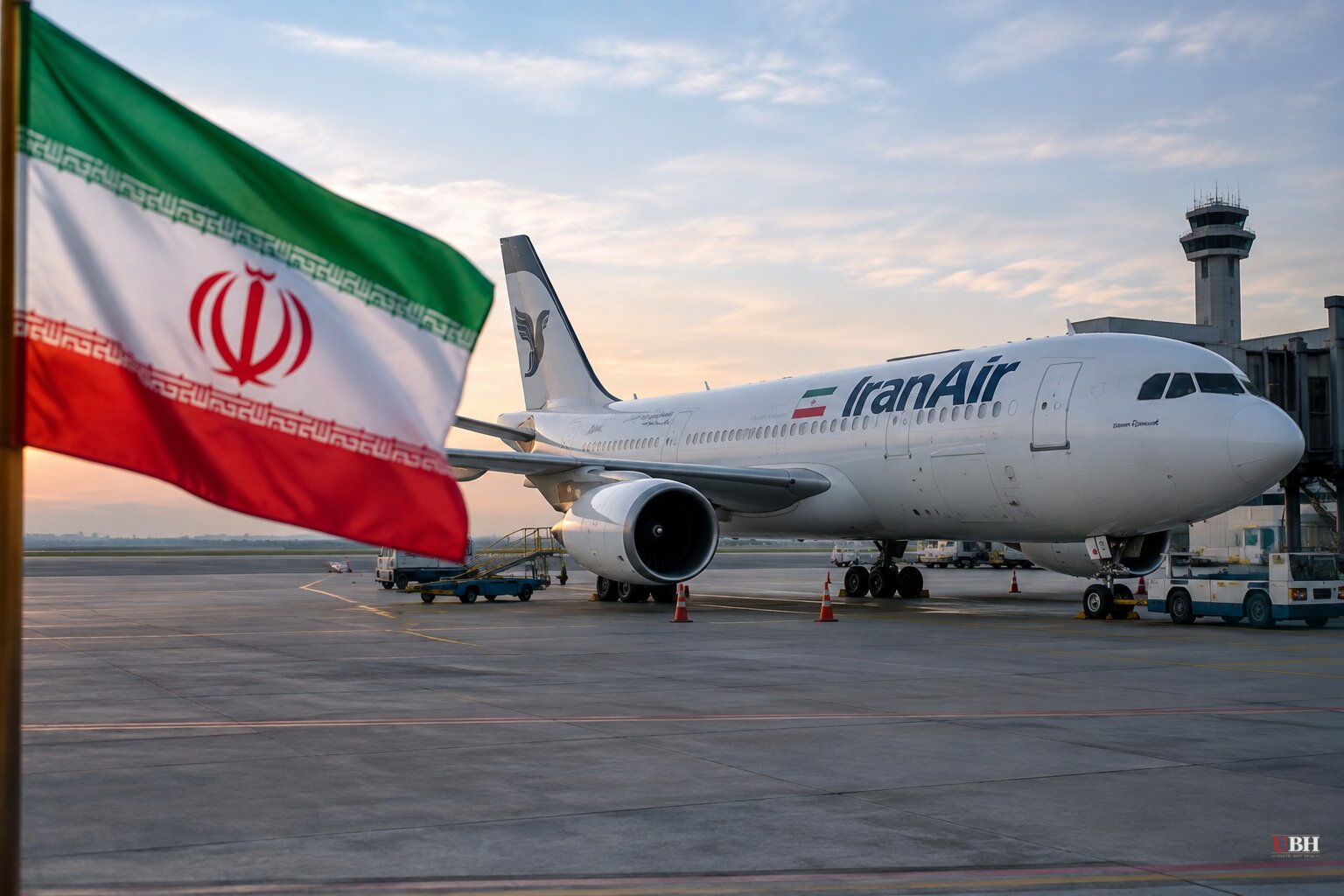
Since U.S. and Israeli strikes killed Iran's supreme leader and senior military officials in late February, touching off a war now approaching its seven-month mark, Washington has steadily tightened financial pressure on Tehran. The latest step: Treasury Secretary Scott Bessent told CNBC on Monday, September 21, that "on September 23, all the Iranian airlines will be shut down around the world."
Bessent's warning is blunt. "If they land, you cannot provide them with fuel, you cannot provide them with landing services, you cannot sell them tickets, or you will be knocked out of the dollar system," he said, according to Arab News and Business Recorder, both citing his CNBC interview.
What actually changed
Despite the sweeping framing, the September 23 deadline is not a new sanctions order. It's an enforcement escalation of action Treasury already took on September 8, when it placed 27 Iranian commercial airlines on its Specially Designated Nationals list along with 36 total targets tied to Iran's aviation sector, according to LiveMint. Fortune India's coverage makes the distinction explicit: Bessent's comments are "best understood as an enforcement warning under the existing US sanctions framework, rather than a fresh order directing foreign governments or airports to ground Iranian aircraft."
CNN's reporting on the underlying September action adds detail the airline-focused pieces skip. The sanctions hit Mahan Air, sanctioned since 2011, along with nine service providers and sales agents based in Turkey, Malaysia, Kazakhstan and the United Arab Emirates. A Treasury official told CNN the department is "effectively today terminating all licenses that related to aviation," including overflight payments and authorizations letting non-U.S. airlines fly U.S. export-controlled planes into Iran. "Essentially, we're taking the entire aviation sector of the Iranian economy out of the market," the official said.
Countries already moving
The ripple effects are showing up fast. Two Iraqi sources told AFP that Baghdad plans to suspend flights by Iranian airlines following Treasury's announcement, according to Business Recorder. Georgia has barred Iranian carriers from its land, and Mahan Air said it suspended service to Turkey at the Turkish government's request.
Gulf News reported that Turkish Airlines has suspended all flights to Iran until at least March 2027, with a company representative telling Iran International there's no guarantee service resumes even after that date and no flights currently scheduled before then. Turkey has historically been one of the most accessible international destinations for ordinary Iranians, so that suspension carries weight beyond the airline sanctions themselves.
The skeptics' case
Not everyone thinks this changes much. Richard Nephew, a former U.S. deputy special envoy for Iran, told CNN the new measures "could be meaningful but mostly as a way of making it hard to engage in clandestine procurement," given the blockade the U.S. has already maintained in the Strait of Hormuz. "Tourism has dried up, not surprisingly, so this mainly hinders business and cargo transfers," he said, adding that threatening airports directly "could reduce overall transit" if Washington takes that next step.
Iran's Foreign Minister Abbas Araghchi dismissed the campaign outright on X: "After 47 years of sanctions, the US went to war with Iran on behalf of Israel. The fallout has been disastrous for America, including its standing worldwide," he wrote, calling more sanctions a "'novel' solution." A Treasury official countered to CNN that the administration is seeing "a number of different economic indicators" suggesting the pressure campaign, dubbed "Operation Economic Outcast," is working, though the official didn't specify which indicators.
Both positions deserve a fair hearing. Araghchi's argument, that decades of sanctions haven't broken Tehran and this round won't either, reflects Iran's actual track record of absorbing sanctions since 1979. Treasury's counter is that this round is different because it targets the dollar-clearing infrastructure foreign airports and fuel suppliers depend on, not just Iranian entities directly. Neither side has produced public data settling which view holds up.
The India footnote and the timing irony
Fortune India noted the sanctions campaign already touched an India-based Mahan Air agent, sanctioned back in July, meaning Monday's warning isn't a new direct-flight disruption story for India specifically, but does raise fresh exposure questions for ground handlers and ticketing agents anywhere servicing Iranian carriers.
The timing is awkward for Washington's diplomatic optics. Iranian President Masoud Pezeshkian is scheduled to fly into New York on Tuesday, September 22, ahead of a formal address to the UN General Assembly on Wednesday, September 23, the exact day Bessent says the airline shutdown takes effect. Whether that overlap produces any sideline contact between U.S. and Iranian officials, or just underscores the standoff, remains an open question heading into the week.
Bessent's comments came a day after he wrapped talks with Chinese Vice Premier He Lifeng, and he said Beijing's financial authorities, including People's Bank of China Governor Pan Gongsheng, have been "very engaged" on sanctions compliance ahead of President Trump's summit with Xi Jinping this Thursday. Whether China, one of Iran's largest economic partners, actually enforces the airline cutoff at its own airports and banks is the detail that will determine if Wednesday's deadline is real teeth or just another Treasury press line.
Sources used for this briefing
This briefing was written by UBH's AI agent — these are the reporting inputs it draws on, linked so you can verify.


