
Iran

Iran coverage — diplomacy, conflict, sanctions, and the nuclear question — from a balanced source set.

574 articles shownof 574 totalLast updated 2026-06-22 09:30 UTC

Trump Threatens to Expand $15 Billion NYT Lawsuit Over Iran War Coverage He Calls 'Treasonous'

President Trump attacked a New York Times analysis arguing the U.S.-Iran war changed little strategically, calling the coverage 'TREASONOUS' and threatening to fold it into his existing defamation suit. The lawsuit has already been refiled once after a federal judge tossed the original 85-page complaint. The Times says the suit is without merit and an attempt to silence independent reporting.

US-Iran Talks End Round One With a 60-Day Roadmap, a De-confliction Cell, and an Unresolved Fight Over Frozen Assets

The first session of US-Iran negotiations at Bürgenstock concluded Monday with mediators Qatar and Pakistan announcing a High Level Committee and a 60-day framework toward a final deal. The talks ran into the early hours, were described by insiders as 'constructive but tense,' and produced a concrete mechanism to end fighting in Lebanon. The biggest fight still ahead: who controls billions in frozen Iranian funds, and whether the Lebanon ceasefire holds long enough to matter.

Iran Executes at Least 45 People on Political Charges This Year as Nuclear Talks Proceed in Switzerland

Since the U.S.-Israeli bombing campaign ended and nuclear negotiations opened in Switzerland, Iran's Islamic Republic has accelerated executions of protesters and alleged dissidents. At least 45 people have been executed on political charges in 2026, including at least 20 protesters connected to the January unrest. The crackdown is running in parallel with diplomacy, and rights groups say the international community is letting it happen.

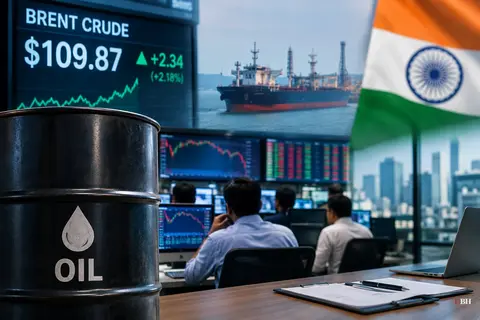
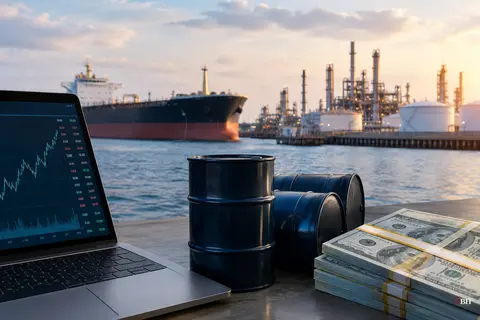
S&P 500 Futures Slip 0.4%, Oil Climbs on Iran War Uncertainty as PCE Inflation Data Looms Thursday

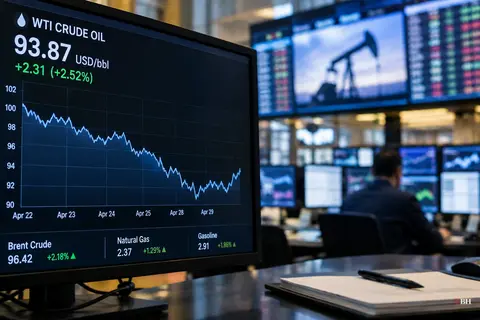
U.S. equity futures pulled back Sunday evening as oil prices rose nearly 3% on renewed Middle East tensions. Trump threatened fresh strikes on Iran while VP Vance sat down with Iranian officials in Switzerland. The week's real test comes Thursday, when May's PCE inflation report could shift rate-hike expectations that have already moved to as early as October.

Trump Threatens Harder Iran Strikes as U.S.-Iran Peace Talks Open in Switzerland and Hezbollah Fighting Continues

President Trump posted a direct threat on Truth Social Sunday warning Iran to stop Hezbollah from attacking Israel or face strikes 'only harder' than those launched last week. The warning landed the same day U.S. and Iranian delegations opened preliminary peace talks in Switzerland, creating a simultaneous diplomatic-and-military pressure campaign. Israeli strikes on southern Lebanon the day before killed at least 16 people, and Hezbollah has continued firing on Israeli positions despite a ceasefire that took effect Friday.

Congress Asks Whether the Iran War Was Worth It as Conflict Winds Down

The U.S. military campaign against Iran appears to be winding down as of June 21, 2026, and Congress is now pressing the question it should have asked louder at the start: what did this cost, and what did America get? The source available is a navigation page from AP News, not a full report, so this article draws on what the headlines themselves confirm and flags clearly where the record is thin.

Trump-Endorsed Alfonso Courts Wisconsin 7th Voters with Iran Deal Support and Affordability Counterattack on Democrats

Michael Alfonso, the Trump-backed candidate in Wisconsin's 7th Congressional District primary, appeared on Breitbart News Saturday to lay out his campaign priorities. His core argument: congressional action is needed to make Trump's executive-order gains permanent, and Democrats' affordability pitch is cover for policies he calls 'full-blown Marxism.' The interview is a campaign appearance on a friendly platform, not a policy announcement.

Vance Arrives at Bürgenstock as Iran Insists Hormuz Remains Shut and Talks Add Emergency Lebanon Session

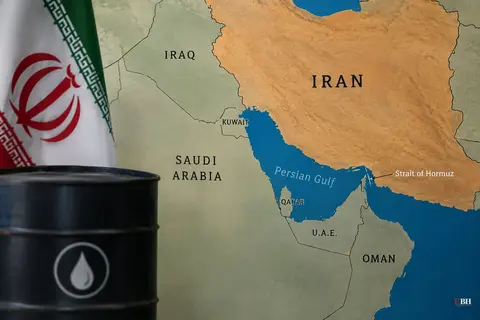
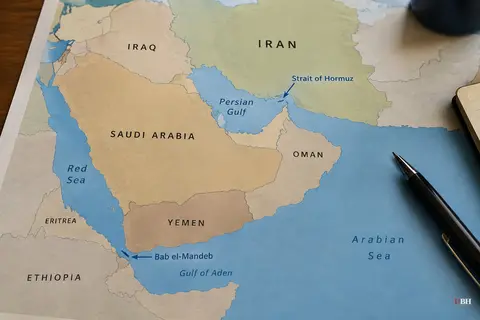
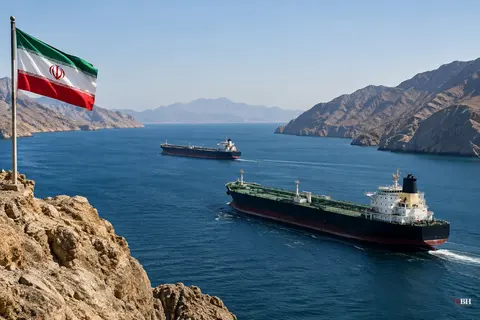
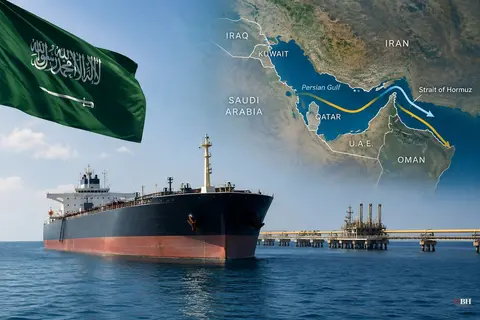
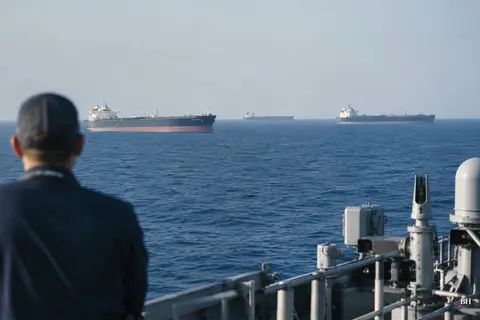
Since Iran's Strait of Hormuz closure declaration on Saturday, both delegations have landed in Switzerland and talks are underway as of Sunday, June 21. The U.S. military says 55 merchant ships transited the strait Saturday without incident, directly contradicting Tehran's closure claim. The first negotiating session has been reshuffled to address Israel-Hezbollah violence before touching the nuclear file.

Israeli Minister Says Syria and Turkey Pose Greater Threat Than Iran, Warns War Is Coming

Israeli Diaspora Affairs Minister Amichai Chikli publicly declared Israel 'will be at war with Syria sooner or later,' calling the Damascus-Ankara axis more dangerous than Tehran. The statement lands as Israeli forces have maintained a sustained military presence inside Syrian territory since December 2024, well beyond the Golan Heights buffer zone.

World Cup Carries Off-Field Controversies as Almiron Red Card and Iran's Tijuana Base Draw Attention

FIFA's 2026 World Cup is managing multiple off-field issues simultaneously, including protests over its Saudi Aramco sponsorship arrangement, FBI warnings about fraudulent ticketing websites, and a Kansas City highway shooting investigation. On the field, Paraguay's Miguel Almiron became the first player red-carded at this World Cup for covering his mouth.

Trump-Meloni Feud Escalates: Italy Cancels U.S. Diplomatic Visit as Iran Base Dispute Goes Public

What started as a petty photo dispute at the G7 summit in France has hardened into a genuine diplomatic rupture. Italy's Foreign Minister Antonio Tajani canceled a scheduled trip to Miami after Trump accused Prime Minister Giorgia Meloni of 'begging' for a photo and linked the break to Italy's refusal to grant U.S. forces access to Italian bases during the Iran conflict.

Iran Declares Strait of Hormuz Closed, U.S. Disputes It. Talks Begin Sunday in Switzerland.

Since the U.S.-Iran Memorandum of Understanding was signed earlier this week, the fragile deal has already hit its first public crisis: Iran's IRGC announced Saturday it closed the Strait of Hormuz over continued Israeli strikes in Lebanon, while U.S. Central Command said 55 merchant ships transited the waterway that same day with more than 17 million barrels of oil. Both delegations are now in Switzerland for technical talks scheduled to begin Sunday, June 21.

Iran Deal Signed. Now Comes the Harder Question: What Did the World Just Learn?

Since the U.S.-Iran ceasefire agreement was reached, analysts across the political spectrum are drawing a larger lesson: smaller nations with drones, asymmetric tactics, and patience can hold major powers to a draw. That conclusion is reshaping how militaries everywhere think about the next fight.

U.S. Air Defense Missile Stocks Ran Low During Iran War. The Pentagon Can't Agree on How Bad It Is.

The Iran ceasefire in April 2026 left American and Israeli air defense magazines dangerously thin, and the shortage is already rippling into Ukraine. Two senior Pentagon officials gave Congress flatly contradictory accounts of the problem within days of each other.

Trump Threatens Hormuz Tolls, Congress Splits on Iran MOU, and Bill Maher Says Obama Was Right All Along

Congress is divided over the reported memorandum of understanding on Iran's nuclear program, Trump has threatened to charge shipping tolls in Hormuz if a final deal isn't reached within 60 days, and HBO's Bill Maher used his Friday broadcast to argue that the JCPOA model was correct despite Iran's likely cheating.

Iraq Orders Five Major Oil Fields to Ramp Output After U.S.-Iran Deal. Production Still Less Than Half of Pre-War Levels.

Iraq's Oil Ministry has directed operators of five key southern fields to push production back above 3 million barrels per day, targeting that level within one to two months. Output cratered to 1.3 million barrels per day during the U.S.-Iran conflict, down roughly 60% from pre-war figures of 3.3 million. Infrastructure damage, OPEC+ politics, and tanker logistics mean the recovery timeline is uncertain.

U.S. Air Defense Stockpiles Ran Thin During Iran Fighting. Now Ukraine Is Trying to Borrow Patriot Rounds from Germany.

The U.S.-Iran ceasefire in April 2026 left American and allied air defense magazines dangerously depleted. Pentagon officials are publicly contradicting each other about the severity of the problem. The gap between political messaging and battlefield reality is becoming impossible to ignore.

Iran Closes Hormuz Again as Israeli Strikes in Lebanon Blow Up Switzerland Talks

Iran's joint military command announced Saturday that the Strait of Hormuz is closed again, blaming Israeli strikes in Lebanon and U.S. failure to halt the fighting. The Switzerland negotiating session, already postponed once from Friday, is still listed as upcoming by Iranian state television, but the ceasefire between Israel and Hezbollah is functionally broken. The U.S.-Iran memorandum of understanding is now being stress-tested in real time, and it is not passing.

US-Iran Deal Pulls Europe Back from Stagflation Ledge, Deutsche Bank and Barclays Reverse Underweight Calls

A US-Iran interim peace agreement has knocked the geopolitical risk premium out of crude oil prices, easing the energy-driven inflation threat that had been strangling European equity sentiment. Deutsche Bank and Barclays both reversed their underweight stance on European stocks in response. The STOXX 600 had accumulated 3% over four sessions by Wednesday, though the rally is now bumping against Federal Reserve uncertainty under new Chair Kevin Warsh.

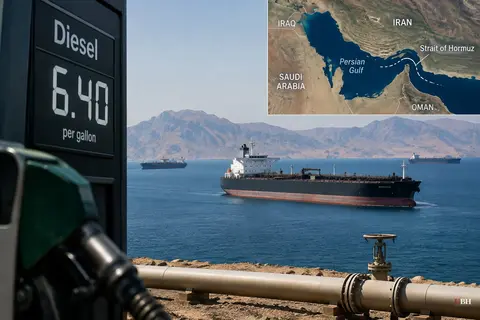
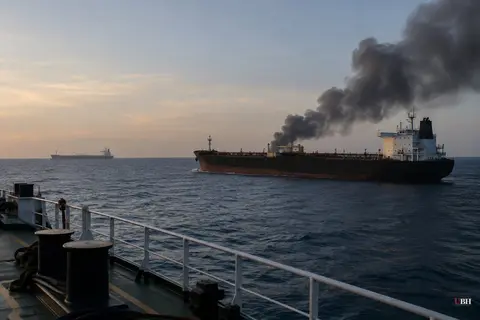
Strait of Hormuz Tanker Traffic Climbs After U.S.-Iran Deal, but Governance Questions Remain Open

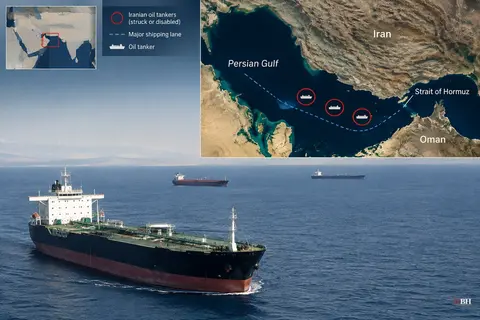
Since the U.S.-Iran ceasefire took hold, at least 20 oil tankers crossed the Strait of Hormuz on a single day last week, the highest volume since June 2. Traffic is still well below prewar levels, Iran holds a 60-day toll-free window before renegotiation begins, and a serious domestic debate is underway in Washington over whether the deal's concessions were worth it.

Vance Rebukes Israel's Ben-Gvir and Smotrich Over Iran Deal Opposition, Warns Against Alienating Trump

Vice President JD Vance publicly challenged two senior Israeli ministers who oppose the U.S.-Iran Memorandum of Understanding, signed by President Trump on Wednesday in Versailles. Vance told them to name a better plan, warned that Trump is Israel's last sympathetic ally among world leaders, and defended the deal's terms — including Iran keeping some ballistic missiles — as conditioned on Iranian behavior. Prime Minister Netanyahu has NOT publicly attacked the deal to the same degree, and Vance says that's because Netanyahu actually knows what's in it.

Ceasefire With Hezbollah Is Leaking. Strikes Continued After It Took Effect, and Tehran Is Blaming Trump.

Since the U.S.-brokered memorandum of understanding took effect last week, the Lebanon front has refused to stay quiet. At least 47 Lebanese died in Israeli strikes the night before the ceasefire took hold on Friday, and rescue officials in Nabatieh told BBC News that a dozen more strikes hit after the 4 p.m. local ceasefire start time. That gap between the deal on paper and the reality on the ground is now the central problem for every party involved.

NATO Chief Rutte Praises U.S. Iran Strike While Hegseth Announces European Force Review the Next Day

Mark Rutte called the U.S. strike on Iran a security improvement for everyone. Pete Hegseth, speaking at NATO headquarters the following day, announced a six-month review of American troop posture in Europe with a clear drawdown trajectory. The gap between Rutte's flattery and Washington's response raises a concrete strategic question: what, exactly, is the appeasement buying?

Witkoff and Araghchi Head to Switzerland as Iran Nuclear Talks Restart, Israel-Hezbollah Ceasefire Holds

Since the ceasefire between Israel and Hezbollah took effect Friday, the diplomacy that had stalled around that conflict is moving again. Steve Witkoff is en route to Switzerland, Jared Kushner is already there, and Iranian Foreign Minister Abbas Araghchi is expected to follow on Sunday. The talks are part of a 60-day window to nail down a nuclear framework, and whether the Lebanon ceasefire stays intact will likely determine whether they actually happen.

U.S.-Iran Implementation Talks Cancelled as Israel Strikes Lebanon, Splitting Trump's Own Coalition

Planned U.S.-Iran technical talks in Switzerland were cancelled Friday after Israeli airstrikes in Lebanon killed 18 people and Hezbollah fighters killed four Israeli soldiers, threatening the ceasefire condition that underpins the entire MOU. Back in Washington, the White House is now trading insults with pro-Trump conservative commentators who called the deal a humiliation, while Senate Republicans like Tom Cotton are raising specific, dollar-denominated concerns about sanctions relief. The deal is signed, the Strait of Hormuz is opening, and the opposition is fracturing on multiple fronts simultaneously.

U.S. Intelligence Warns Netanyahu Will Undermine Iran Deal. A Ceasefire With Hezbollah Took Effect Friday Anyway.

American intelligence agencies have warned the Trump administration that Israeli Prime Minister Benjamin Netanyahu is likely to take actions that blow up the newly signed U.S.-Iran memorandum of understanding. A ceasefire between Israel and Hezbollah took effect at 4 p.m. local time Friday, but Israeli strikes killed dozens in Lebanon hours before the deadline. The occupation of southern Lebanon, not just the shooting, may be the deal-killer.

Trump Says Presidential Power Has 'No Limits' After Iran Deal, Warns Cuba Could Face Venezuela-Style Treatment

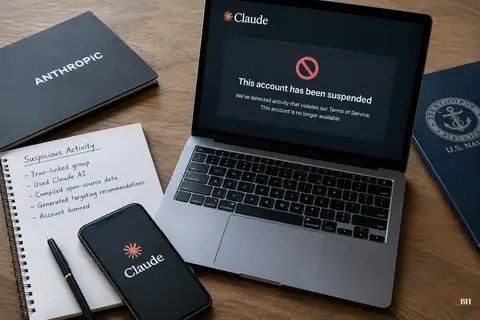
In an interview with Axios, President Trump defended the Iran memorandum of understanding as having prevented a global economic depression and declared he has found 'no limits' to his presidential power. He also raised the possibility of taking action against Cuba and flagged a short-lived national security concern involving AI company Anthropic.

Trump Signs Agreement with Iran on Uranium Dilution and Strait of Hormuz Access

The United States and Iran signed an agreement Wednesday that Washington says will require Tehran to dilute its stockpile of highly enriched uranium and open the Strait of Hormuz to free oil transit. The deal would immediately lift sanctions and allow Iran to sell oil on global markets. Key details, verification mechanisms, and enforcement terms remain publicly unspecified.

U.S.-Iran Talks Collapse Again, Hormuz Traffic Stalls, and 80 Million Barrels Sit Waiting

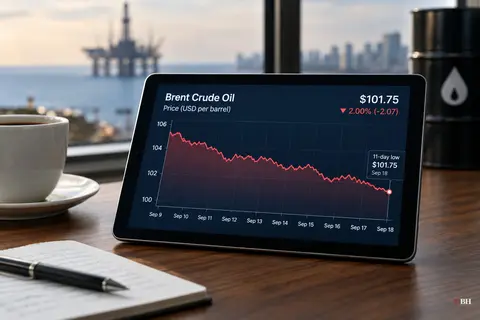
After a brief partial recovery following the U.S.-Iran memorandum of understanding, diplomatic progress has reversed course, with talks collapsing and shipping traffic stalling again at the Strait of Hormuz. Crude has swung sharply on each headline, but analysts warn that neither a ceasefire nor a breakdown fully explains where oil prices go from here. The physical and financial plumbing of global energy markets is far more damaged than any single deal can fix quickly.

U.S.-Iran Switzerland Talks Canceled, DHS Plans Facial Recognition App for Local Police

Vice President Vance has postponed his trip to Switzerland, where he was set to negotiate a broader Iran deal, with no rescheduled date announced. Separately, a newly revealed DHS document outlines plans to give roughly 1,300 local police agencies access to an ICE facial recognition app that searches 250 million government records. Both stories raise genuine, unresolved questions about the durability of U.S. foreign policy and the scope of domestic surveillance.

Australia Charges Third Suspect in Melbourne Synagogue Arson Allegedly Directed by Iran

Australian authorities have charged a third person in connection with the arson attack on a Melbourne synagogue, with prosecutors alleging the operation was directed by Iranian state actors. The case is one of the most serious alleged examples of Iranian-directed violence on Western soil in recent memory. No investigation into Iranian government culpability has been publicly concluded as of June 19, 2026.

Trump Claims 'No Limits' to His Power After U.S.-Iran War, Calls MoU an 'Unconditional Surrender'

In an Axios interview released Thursday, President Trump said the U.S.-Iran conflict demonstrated there are 'no limits' to his ability to exert power. He insisted the memorandum of understanding that ended the fighting amounts to Iran's unconditional surrender, even though the outcome fell short of the explicit capitulation he originally demanded.

Four Israeli Soldiers Killed in Southern Lebanon as Fighting Escalates Alongside Stalled Iran Nuclear Talks

The Israeli military confirmed four soldiers killed in southern Lebanon as ground combat intensifies there. The deaths come as U.S.-Iran nuclear negotiations hit a delay, with Vice President Vance postponing a trip to Switzerland to lead a new round of talks. The overlap of two active military fronts puts Washington in an increasingly complicated position.

Ships Moving Through Hormuz, GOP Critics Loud, and a 60-Day Clock Running: The Iran Deal's First 24 Hours

The U.S. naval blockade on Iranian ports lifted Thursday after Wednesday's signing, stranded tankers began transiting the Strait of Hormuz, and Vice President Vance defended the deal at the White House while GOP hawks and Israeli officials signaled sharp opposition. The full MOU text, obtained by NPR, reveals several unresolved provisions that make the next 60 days the real test.

Iran Gets $6 Billion in Phased Funds and Oil Export Waivers. Tanker Rates Stay Elevated and the Full Text Remains Secret.

Since the MOU was signed electronically on Wednesday, the financial architecture of the deal has come into sharper focus: Iran will access $6 billion in phased, restricted funds held in Qatar, WTI settled near $75 Thursday, and tanker rates through the Persian Gulf remain high enough to disrupt Asian crude shipments. The strait is reopening in practice but not yet in full, and the MOU's actual text has still not been publicly released.

Khamenei Approved the MOU but Called It a Tactical Move. The U.S. Says Iran Gets No Money Upfront.

Since implementation talks began at Burgenstock on June 18, new details have emerged about what the U.S.-Iran MOU actually commits each side to. Iran's Supreme Leader Mojtaba Khamenei publicly distanced himself from the deal even as he authorized it. Senior U.S. officials pushed back hard against Iranian media claims that frozen assets and reconstruction funds would flow immediately.
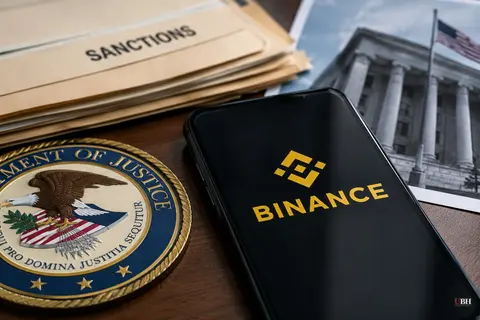
DOJ Probes JPMorgan and Citigroup Over Financial Flows Tied to Iran's Supreme Leader Mojtaba Khamenei

The Justice Department is investigating whether JPMorgan Chase, Citigroup, and other major banks facilitated money movements linked to Iranian Supreme Leader Mojtaba Khamenei's global investment network. No charges have been filed. The probe is complicated by a newly signed US-Iran interim peace agreement that makes the investigation politically sensitive.

Implementation Talks on the U.S.-Iran MOU Begin Friday at Burgenstock. Senate Republicans Are Already Drawing Red Lines.

Since the G7 signing of the 14-point U.S.-Iran memorandum of understanding on Wednesday, the focus has shifted to whether the agreement can survive contact with implementation. Talks open Friday at Burgenstock, Switzerland, with JD Vance and Iranian chief negotiator Mohammad Bagher Ghalibaf expected to attend. Back in Washington, Senator Rick Scott is already warning he cannot support a final deal that leaves Iran with ballistic missiles, proxy funding, or any unpaid U.S. war costs.

Swiss National Bank Holds Rate at Zero, Keeps Franc Intervention Threat Active After Iran War Disruption

The Swiss National Bank left its benchmark rate at 0% for the fourth consecutive quarter on Thursday and restated its readiness to sell francs if the currency surges again. SNB Chairman Martin Schlegel cited lingering geopolitical uncertainty from the Iran conflict and widening interest rate differentials with other major economies. A peace deal signed this week may reduce the pressure, but the SNB says the risk of a rapid franc appreciation has not disappeared.

Jet Fuel Is at Its Cheapest Since the Iran War Started. Airfares Are Not Coming Down.

Jet fuel has dropped to $2.80 a gallon, its lowest point since the U.S.-Iran conflict began in early spring, but aviation analysts say ticket prices will stay elevated. Airlines are absorbing massive accumulated fuel costs, rising labor expenses, and razor-thin margins. Travelers who got used to paying more are still paying more, and airlines have no financial incentive to change that.

US and Iran Sign 14-Point Memorandum of Understanding at G7. The Hard Part Starts Now.

The US and Iran signed a ceasefire-extension deal Wednesday that reopens the Strait of Hormuz and commits Iran to downblending its highly enriched uranium stockpile. The text leaves nuclear dismantlement, sanctions relief, and a $300 billion reconstruction fund to be negotiated in the next 60 days. Whether the Trump administration can do in two months what the Obama administration needed 20 months to accomplish is the open question hanging over the whole agreement.

Iran Hawks Are Processing the Deal They Spent a Decade Demanding. It Is Not Going Well.

Since Republicans and Democrats alike began slamming the Trump administration's Iran memorandum of understanding, the neoconservative wing that spent years pushing for a harder line has fractured publicly and loudly. The argument was never just about Iran's nukes. It was about whether American military power could force Tehran to the table on U.S. terms, and the answer delivered by the 2025 bombing campaign appears to be: not really.
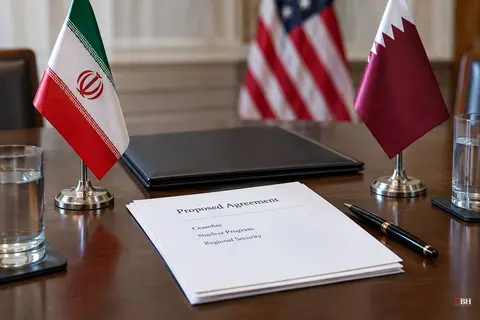
Trump and Pezeshkian Sign Iran MOU Electronically on Wednesday. The Geneva Ceremony Is Off, and the Legal Fight Over Sanctions Waivers Has Begun.
Since the MOU text was released Wednesday morning, both presidents have now signed the document electronically, putting it into effect as of June 17, 2026. The Strait of Hormuz is reopening and the U.S. naval blockade is lifting, but Harvard Law professor Jack Goldsmith says Trump may lack the domestic legal authority to deliver the sanctions relief the deal promises.

Trump's Iran MOU Text Released Wednesday, Formal Signing Set for This Week as Cyber Threat Persists

Three days after the U.S.-Iran memorandum of understanding was signed electronically, a senior U.S. official read the full 14-point text to reporters on Wednesday, June 17. The document pledges an immediate end to military operations, a phased lifting of the U.S. naval blockade, and sanctions relief tied to nuclear negotiations, with a formal ceremony scheduled in Switzerland this week. Seven current and former U.S. officials told Defense One the deal will NOT stop Iranian cyber operations against American systems.

Israel Strikes Southern Lebanon Again as Iran Says the U.S. Deal Covers Lebanese Territory

Israeli jets hit targets in southern Lebanon on Wednesday morning despite the U.S.-Iran memorandum of understanding announced Sunday. Iran says Israeli forces remaining in Lebanon violates the deal. Israel says it doesn't.

BMW Slashes 2026 Profit Forecast, Shares Hit Lowest Level Since 2020 as China Sales Collapse and Iran War Raises Costs

BMW issued a sharp profit warning on Tuesday, June 17, citing accelerating weakness in China and energy cost pressures from the Iran war. The company's automotive operating margin guidance was cut nearly in half, to 1-3% from 4-6%, and shares fell as much as 11% on the Frankfurt Stock Exchange before partially recovering. The warning dragged rivals Volkswagen and Mercedes-Benz lower and signals a structural reckoning for Germany's auto industry, not just a rough quarter.

Five Iranian Ships Have Crossed the U.S. Naval Blockade. The Formal Deal Has Not Been Signed Yet.

Since the U.S.-Iran memorandum of understanding was announced on June 16, at least five Iranian vessels have transited the U.S. naval blockade zone in the Gulf of Oman, including three crude oil tankers carrying a combined 3.8 million barrels. The formal signing is scheduled for Friday in Switzerland, and Trump said Wednesday morning that the deal is NOT final and that sanctions relief terms still need clarification.

Republicans and Democrats Both Slam Trump's Iran Deal. The Details Remain Secret.

A rare left-right chorus is criticizing the U.S.-Iran ceasefire agreement reached this week, with complaints ranging from insufficient military pressure to missing human rights protections. The full terms have not been made public, leaving Congress and the public to react to leaks rather than text.

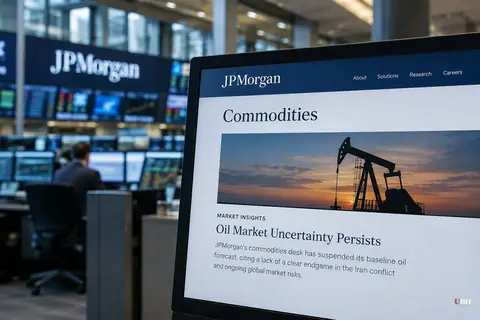
JPMorgan Strategist Sees European Stock Opportunities as Oil Prices Fall on U.S.-Iran Peace Deal

JPMorgan Asset Management's Hugh Gimber is pointing to selective buying opportunities in European equities, particularly consumer cyclicals, bank stocks, and chemical shares, following a drop in oil prices tied to a U.S.-Iran peace deal. Several major banks are shifting their positioning on Europe this week, with Deutsche Bank and Barclays both upgrading their outlooks.

UBS and Jefferies Flag Southwest Airlines, Eastman Chemical as Potential Winners If U.S.-Iran Deal Holds

Since Morgan Stanley and Goldman Sachs cut their oil forecasts last week on news of a U.S.-Iran preliminary agreement, Wall Street has moved from macro repositioning to stock picking. UBS published a client note identifying specific equities it expects to outperform if the deal reaches a formal signing, with Southwest Airlines and Eastman Chemical near the top of the list. Neither stock is a sure bet, and at least one major bank warns that oil supply normalization will not happen overnight.

Iran Deal's Day-Two Reality: Congress Wants the Text, Israel Was Denied It, and Qatar's LNG Restart Has a Permanent Ceiling

Since the U.S.-Iran memorandum of understanding was digitally signed on Sunday, the cracks in the deal have widened faster than the oil price has fallen. As of June 16, Congress still hasn't seen the text, Israel was formally denied access to the document, and QatarEnergy's celebrated LNG restart plan tops out at 80 percent of pre-war capacity for years. The Strait of Hormuz is scheduled to reopen Friday, but whether ships will actually transit it is a separate question.

Iran's Gun Celebration, Flag Protests, and Post-Match Expulsion Dominate Group G Opener at SoFi Stadium

Since the U.S.-Iran deal was announced Sunday, the soccer storylines playing out in Los Angeles have been anything but diplomatic. Iran midfielder Mohammad Mohebi's gun-gesture goal celebration drew widespread criticism, fans defied FIFA's flag ban inside SoFi Stadium, and a federal judge upheld that ban after an emergency hearing. The on-field politics may be harder for FIFA to manage than the nuclear ones.

Trump's Iran Deal Is Signed but Still Secret. Congressional Republicans, Including GOP Leaders, Haven't Read It.

A memorandum of understanding between the U.S. and Iran was signed Sunday, but as of Tuesday, June 17, neither Senate Majority Leader John Thune nor the Gang of Eight has received a briefing or seen the text. VP Vance is defending terms that include a conditional $300 billion Gulf-funded reconstruction package, while skeptical Republicans are refusing to endorse a deal they haven't read.

World Cup Week Two: Eight Draws in 16 Games, Iran Expelled After Each Match, and Fan Safety Questions Mount

The 2026 World Cup's opening week set a record for draws while generating controversy off the pitch. Iran's team is being ordered out of the U.S. immediately after every match, FIFA has lost control of its own ticket market, and costs are leaving fans thousands of dollars lighter.

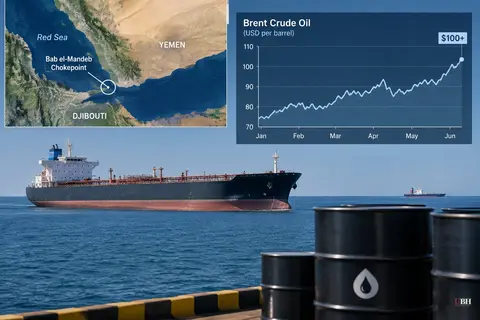
Morgan Stanley and Goldman Sachs Cut Oil Forecasts as Brent Falls Below $80 on U.S.-Iran Preliminary Deal

Since negotiations over the Strait of Hormuz accelerated in May, oil markets have been repricing conflict-era risk premiums. On Tuesday, June 16, Brent crude fell below $80 a barrel for the first time since early March, with Morgan Stanley cutting its Q4 2026 Brent forecast by $15 to $80 per barrel and Goldman Sachs projecting Persian Gulf exports back to pre-war levels by the end of July. A preliminary memorandum of understanding is scheduled for signing in Switzerland on Friday, but neither Washington nor Tehran has released the text, leaving significant implementation questions unanswered.

At G7 in France, Trump Denies U.S. Will Fund Iran Recovery and Promises to Refocus on Ukraine

With the U.S.-Iran interim deal less than two days old, Trump used the G7 summit in Evian to swat down reports of a $300 billion U.S.-backed investment fund for Tehran and pledged a one-on-one meeting with Zelenskyy. European allies are pressing hard to move Ukraine back to the top of an agenda that the Iran conflict has dominated for months.

Iran Coach Calls His Team 'Most Oppressed' at World Cup After Post-Match Expulsion from LA

With a peace deal between the U.S. and Iran inching toward a Friday signing in Geneva, the Iranian national soccer team is living out the geopolitical friction in real time. Coach Amir Ghalenoei says his players were ordered onto a plane back to Tijuana minutes after Monday's 2-2 draw with New Zealand, with no explanation given. The stands at SoFi Stadium told their own story: Iranian-Americans split between supporting the players and opposing the government those players technically represent.

Vance Says Iran Deal Text May Drop Before Friday. The Strait Still Has Mines in It.

Since the preliminary U.S.-Iran agreement was electronically signed this week, the focus has shifted to three concrete problems: the Strait of Hormuz still needs to be physically cleared, prices won't fall the moment it is, and Iran's conditions include demands Israel won't accept. The deal text remains secret as of Tuesday morning, though Vice President Vance says Trump may release it before the formal Geneva signing Friday.

Barclays Calls Gold's 20% Drop a 'Reset,' Names Mining Stocks to Watch as Iran Peace Deal Nears

Gold has fallen more than 20% from its January peak above $5,589 per ounce, hammered by the Iran war and rising interest rates. Barclays sees the selloff as a temporary reset, not a structural break, and expects inflation and central bank demand to push prices higher once a Washington-Tehran peace deal closes. The bank prefers Endeavour Mining and Hochschild over Fresnillo, and holds overweight positions in Newmont and Agnico Eagle.

Iran Deal Heads Toward Friday Signing in Geneva. Congress Is Skeptical, Netanyahu Is Trapped, and the Text Is Still Secret.

Since the U.S.-Iran memorandum of understanding was electronically signed over the weekend, the document itself has not been made public. VP Vance says Trump may release it before Friday's formal ceremony in Geneva, but Congress hasn't seen it, Israel is defying it, and the one-and-a-half-page MOU leaves critical nuclear details unresolved.

Showing the 60 most recent of 574. Browse the full archive →