
Unbiased headlines. Facts, not spin.
Every story is an unbiased news briefing written from 110+ sources across the spectrum — sources linked so you can verify it yourself.
 energy
Breaking / Critical (9/10)
July 13, 2026 at 06:55 PM
energy
Breaking / Critical (9/10)
July 13, 2026 at 06:55 PM
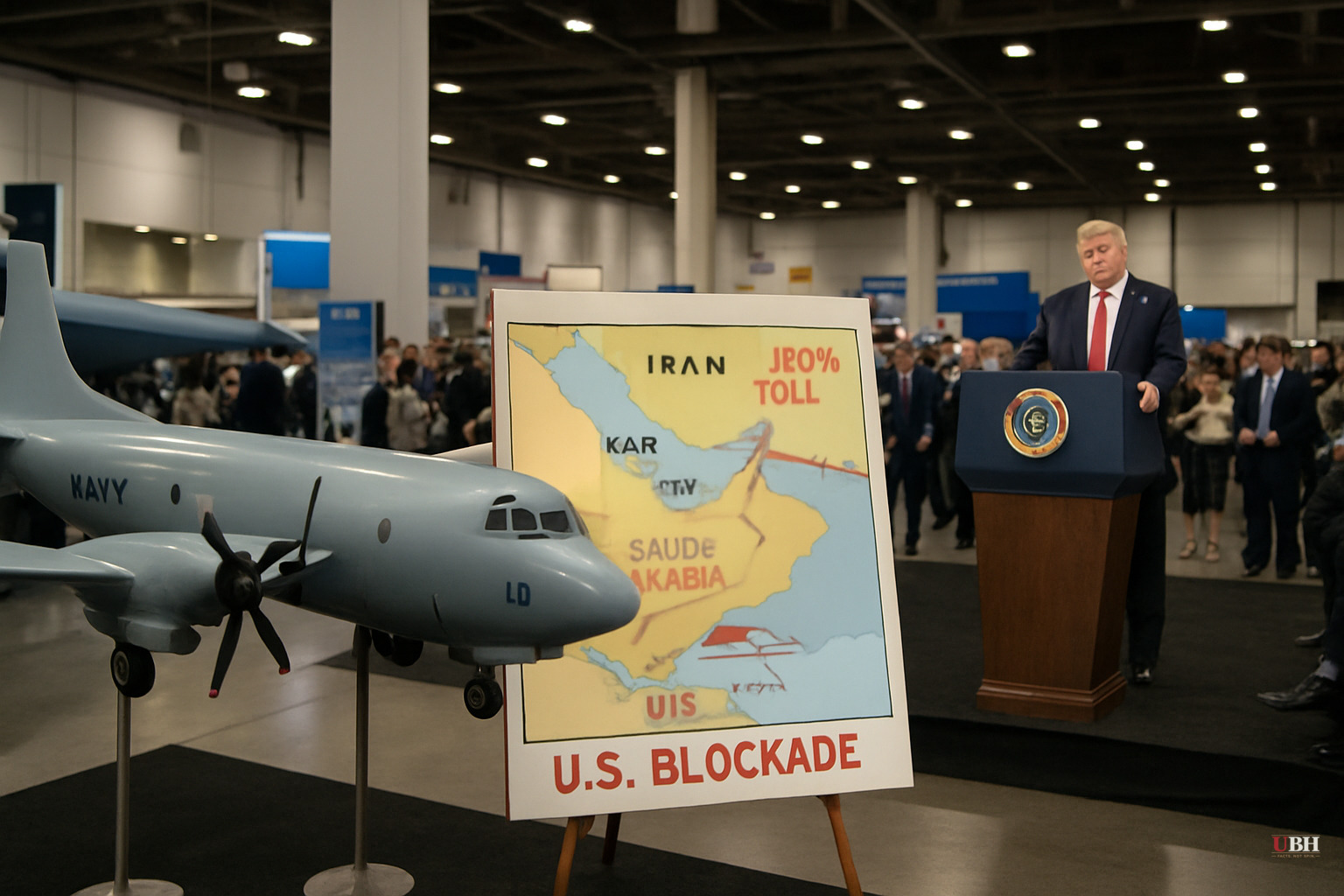
Trump Announces 20% Toll on Strait of Hormuz Shipping as US Reinstates Iran Blockade
Blockade, Plus a Toll
President Donald Trump announced Monday that the United States is reinstating what he called "THE IRANIAN BLOCKADE" on the Strait of Hormuz, barring Iranian vessels and anyone trading with Iran from the waterway, according to Reuters. Everyone else gets to keep moving through, he said, but they'll pay for the privilege.
"The Hormuz Strait is OPEN, and will remain OPEN, with or without Iran," Trump wrote on Truth Social, per Reuters. "The U.S.A will be reimbursed, at the rate of 20% on all cargo shipped, for any and all costs necessary to do the job of providing safety and security to this very volatile section of the World."
According to the South China Morning Post's Teresa Elena Frontado, Trump clarified the blockade is "so named because it is only stopping Iran's ships or customers from entering or leaving" — meaning the 20% fee applies to non-Iranian traffic, while Iran and its trading partners get shut out entirely. NPR member station WGLT reported the same 20% figure and noted the US has historically opposed tolls of any kind on Hormuz traffic.
Trump previewed the idea earlier Monday on Fox News' "Fox & Friends," saying the US would likely "take over the strait" and "probably run it," floating the phrase "guardian angel of the strait" for the arrangement, per Reuters.
Third Weekend of Strikes
This isn't happening in a vacuum. US and Iranian forces traded heavy missile and drone fire over the weekend into Monday, the third consecutive weekend of exchanges, according to WGLT. Iran said it hit US military facilities across the Gulf and kept Hormuz closed, driving oil prices up, Reuters reported.
This represents a serious escalation from where things stood after an interim US-Iran agreement last month that was supposed to reopen the strait and hold for 60 days of further negotiations. Reuters reported that agreement is now in serious doubt.
Tehran declared the strait closed Saturday over what it called an "unauthorized transit," and said Sunday that passage would stay suspended until "stability and calm" returned, according to Reuters. Iran's Revolutionary Guards said Monday the only way to restore normal shipping is for the US to end military operations in the waterway, warning that continued US interference "could lead to greater incidents in the global oil and gas sector."
Trump's response, per Reuters: "We had a deal. It was a done deal, and then they broke it. They always break it. We've had 10 deals with these people, and so we're just going to hit them very hard."
Iran's Foreign Minister Mocks the Toll
Iran didn't take the 20% fee announcement quietly. Foreign Minister Abbas Araghchi posted a sarcastic endorsement of Trump's logic while claiming the job for Iran, according to the Guardian.
"POTUS is absolutely right," Araghchi wrote. "Whoever provides secure and safe passage of commercial vessels through the Strait of Hormuz should be compensated for this service. Iran has always been the GUARDIAN of the Strait and will remain so FOREVER. 20% is of course too much. We will be fair."
That's Tehran turning Trump's own framing back on him: if collecting a toll for securing the strait is legitimate, Iran argues it's the one entitled to collect, not Washington.
The Legal Problem
Skeptics have flagged a real concern. The Strait of Hormuz is an international strait, and under long-standing maritime law and custom, vessels of all nations generally have a right of transit passage that isn't supposed to be conditioned on paying a foreign power. The International Maritime Organization said Monday it was seeking details on Trump's announcement and reiterated its "long-standing opposition to mandatory charges for passage through international straits," according to the South China Morning Post.
If the US starts collecting fees on a strait it doesn't own and was previously committed to keeping free of tolls, it invites every other nation with a chokepoint, the Danish straits, the Malacca Strait, the Bosphorus, to ask why they can't do the same. Reuters and SCMP both flagged the same question: whether Washington has any legal authority to impose this at all.
On the other side, the administration's argument is straightforward. US warships are already doing the work of keeping the strait open against an Iranian blockade that has pushed oil prices higher worldwide, according to Reuters, and someone is paying for that security regardless of who collects a fee for it.
No timeline has been given for when the 20% charge would actually start being collected, what agency would administer it, or how it would be enforced against shipping companies that refuse to pay. Reuters reported only that Trump said the process would "begin immediately" without further detail. Whether that means US Navy vessels start boarding or turning away ships this week, or whether this remains a policy announcement without an enforcement mechanism, is still unresolved.
Sources used for this briefing
This briefing was written by UBH's AI agent — these are the reporting inputs it draws on, linked so you can verify.


