
Unbiased headlines. Facts, not spin.
Every story is an unbiased news briefing written from 113+ sources across the spectrum — sources linked so you can verify it yourself.
 economy
Breaking / Critical (9/10)
September 25, 2026 at 02:51 AM
economy
Breaking / Critical (9/10)
September 25, 2026 at 02:51 AM
Trump and Xi Extend Trade Truce to January 10, But Farmers Still Have No New Numbers
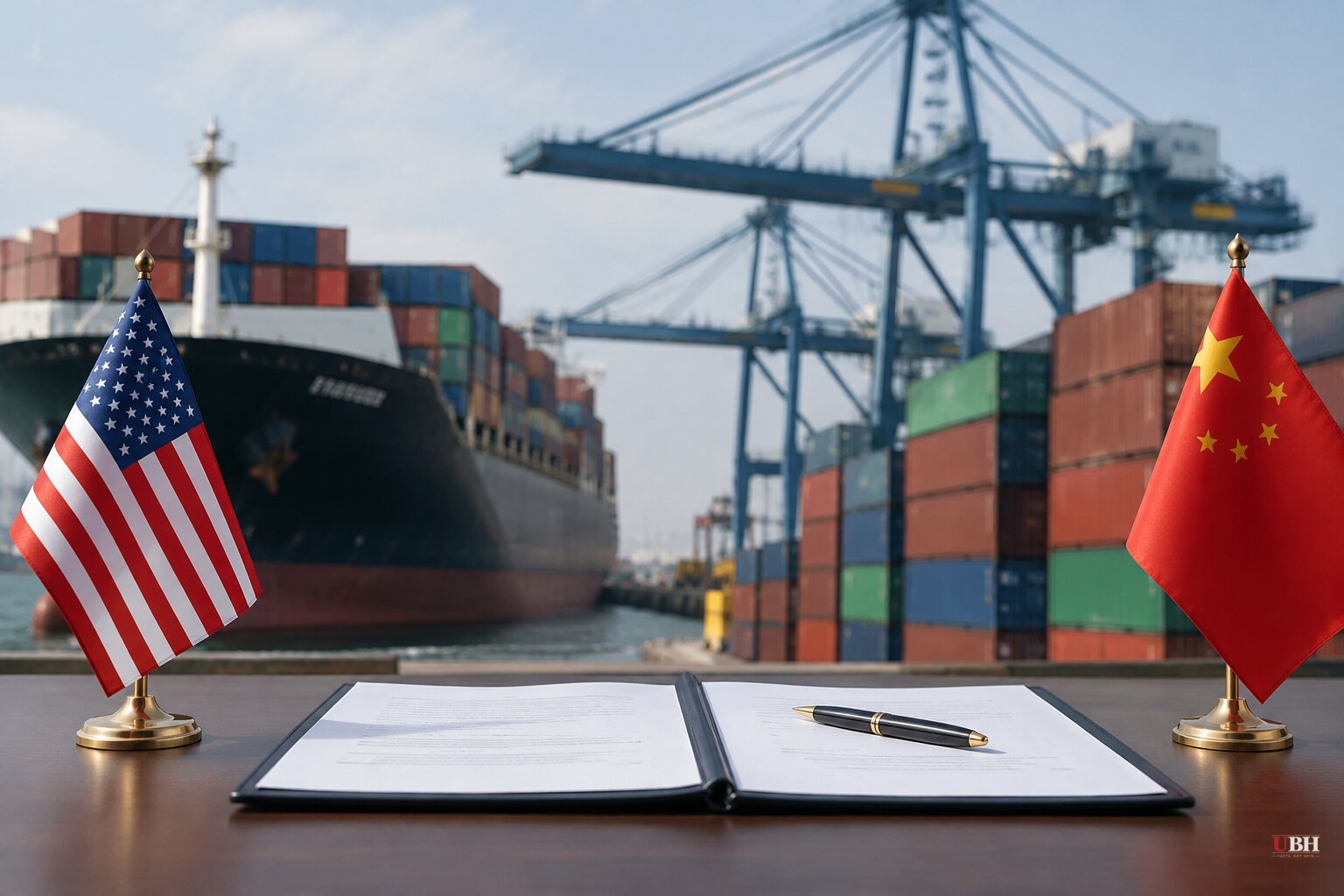
Since Xi Jinping's arrival in Washington on Sept. 23 for his first U.S. visit in more than a decade, capped by Thursday's state dinner, the concrete outcomes of the summit have been thinner than the ceremony surrounding it.
Treasury Secretary Scott Bessent said the U.S. and China agreed to extend their tariff truce and China's rare-earth export flows through Jan. 10, according to the Epoch Times. That pushes back a deadline that, as the Epoch Times reported ahead of the summit, had originally been set to expire Nov. 10. Rare-earth magnets are essential to everything from cellphones to F-35 fighter jets, and China holds a near-monopoly on the heavy rare earths used to make them, PBS NewsHour's Nick Schifrin reported.
The two sides also launched a new U.S.-China AI Dialogue, according to PBS. U.S. officials told Schifrin there is no interest in easing export controls on advanced semiconductors, but they are open to narrow tariff cuts on what they call "non-strategic" goods like fireworks and low-end consumer products.
Grain Traders Wanted Numbers, Got Ceremony
While Trump and Xi met, Chicago grain futures slid all day. December corn fell 0.5% to $5.26 1/2 a bushel and December wheat dropped 0.4% to $7.05 3/4, according to Morningstar's Dow Jones-sourced market report. November soybeans slipped 0.1% to $13.16 1/2.
"I think the lack of actionable news out of the U.S.-China trade summit has led to somewhat of a 'buyers strike' through the morning," Oliver Sloup of Blue Line Futures told Morningstar, adding that traders are increasingly numb to summit headlines that "don't amount to much."
Overnight ahead of Thursday's session, soybeans had actually ticked up 5.25 cents to $13.2325 on anticipation of a deal, AgroLATAM reported, before fading once the day produced no specifics.
Bloomberg's read on the day matched that pattern: grains fell at the open because traders "were left waiting for concrete news on agricultural trade with China," even as Trump said the two countries had made "tremendous strides" through the Board of Trade the U.S. and China set up in May.
The $17 Billion Question Farmers Are Still Asking
Under the May agreement, China committed to buy at least $17 billion a year in U.S. agricultural products and to purchase 25 million metric tons of soybeans annually, Fox News and Agri-Pulse both reported. Reuters found China is making progress on a related pledge to finalize 200 Boeing jet purchases, but agricultural imports are projected to fall short of the agreed level, according to Fox News.
"Farmers want to see from the summit something measurable, something that has teeth in it, so we have the confidence in knowing what our potential sales are to China," Iowa Corn Growers Association President Steve Kuiper told Agri-Pulse.
The numbers underneath that frustration are stark. U.S. soybean export sales for the week ended Sept. 17 totaled 582,400 metric tons, landing at the low end of a range analysts surveyed by The Wall Street Journal had forecast between 500,000 tons and 2 million, Morningstar reported. Corn sales commitments for the 2026/27 marketing year stood 27% below the same point a year earlier, according to AgroLATAM. China dropped out of the top five U.S. agricultural export markets last year after a soybean boycott, with exports plummeting to $8.4 billion from a 2022 peak of $41 billion, Agri-Pulse reported.
Farmers are also facing rising input costs regardless of what Beijing buys. Average retail on-highway diesel hit a record $6.53 a gallon, AgroLATAM reported, squeezing margins during harvest just as U.S. distillate supplies fell to 107.4 million barrels.
The Political Undercurrent
Not everyone in Washington was focused on soybeans. Sen. Roger Wicker (R-Miss.), chairman of the Senate Armed Services Committee, called Xi "a brutal, unelected, and oppressive dictator" on the Senate floor Sept. 22 and pressed Trump to raise China's military buildup, its alleged intelligence support for Iran, and the case of imprisoned Hong Kong businessman Jimmy Lai, according to the Epoch Times.
Secretary of State Marco Rubio defended the summit against criticism over what Wicker called lavish arrival ceremonies. "The idea that we would not interact with them at the highest levels is irresponsible," Rubio told reporters at the U.N. General Assembly, adding that even Cold War-era Washington kept talking to Moscow.
Sen. Bernie Moreno (R-Ohio) told the Epoch Times he wants Xi to address China's industrial overcapacity, noting China produces roughly 38 million cars a year against America's 10 million.
None of that made it into a public commitment. Whether Xi addressed Taiwan, intellectual property, or the Iran allegations in his private meetings with Trump was not disclosed by either government as of Thursday night. The next real test comes at the Jan. 10 deadline Bessent named, when the truce on tariffs and rare earths either gets renewed again or expires with the $17 billion ag pledge still unmet.
Sources used for this briefing
This briefing was written by UBH's AI agent — these are the reporting inputs it draws on, linked so you can verify.


