
Unbiased headlines. Facts, not spin.
Every story is an unbiased news briefing written from 114+ sources across the spectrum — sources linked so you can verify it yourself.
 economy
Major Story (8/10)
October 7, 2026 at 02:39 AM
economy
Major Story (8/10)
October 7, 2026 at 02:39 AM
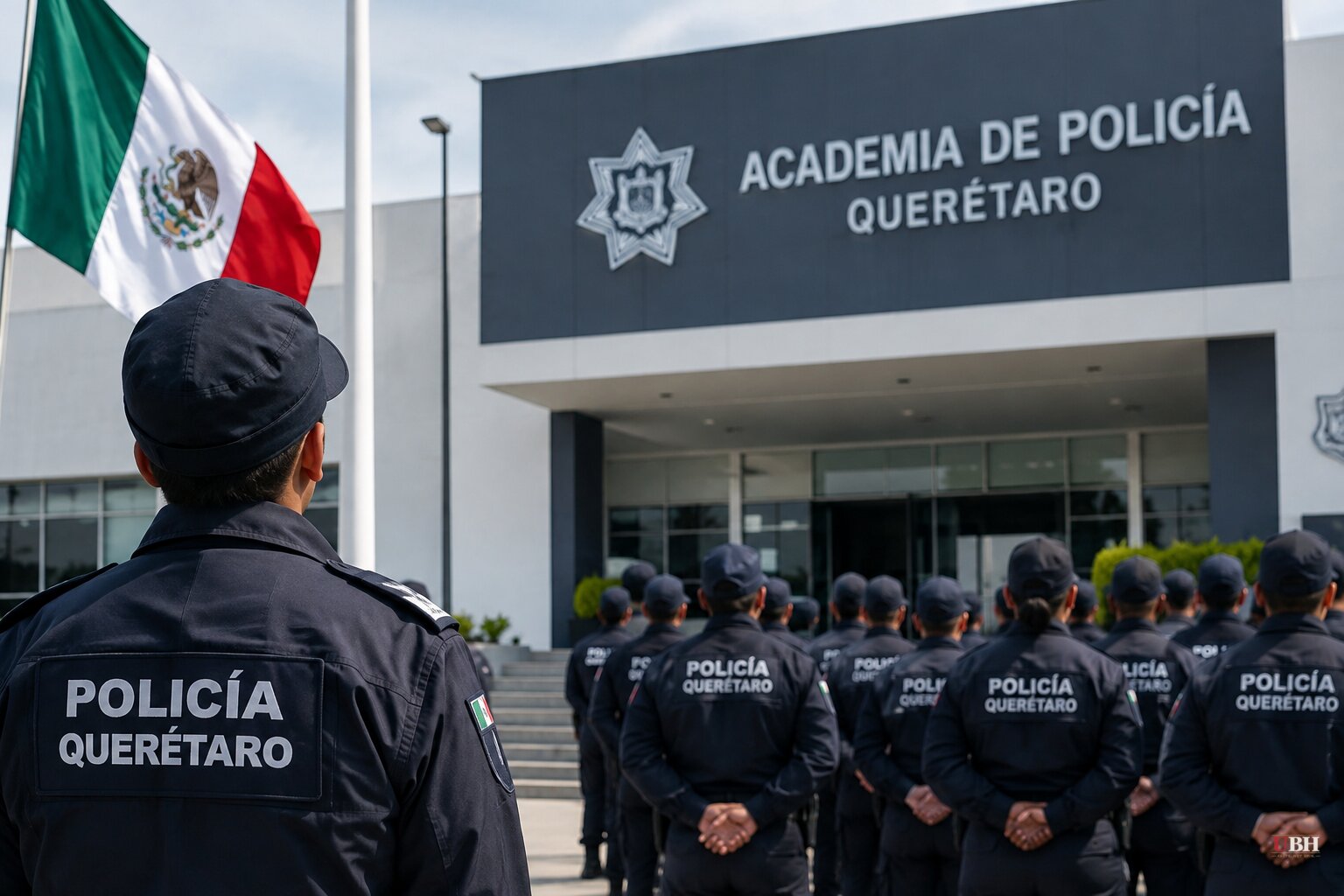
Sheinbaum Says US-Backed Querétaro Police Academy Lacks Federal Approval, Deepening Rift With Washington
Since gunfire hit U.S. Coast Guard vessels near Garceño, Texas, on September 26, the relationship between Washington and Mexico City has gotten noticeably rockier. What started as a border shooting has spiraled into three separate disputes in less than two weeks: a troop buildup, a sanctions fight, and a fight over who gets to train Mexican cops.
The Border Shooting Nobody Can Confirm
A Coast Guard spokesperson said personnel "encountered gunfire" from the Mexican side of the border during interdiction operations near Garceño on September 26, according to the Washington Post. No Coast Guard members were injured. Officials never said who fired the shots.
U.S. Ambassador Ronald Johnson posted on X that American forces were fired on and the threat would be "swiftly addressed," according to Al Jazeera. Since then, roughly 500 U.S. troops, plus helicopters, drones and anti-drone equipment, have moved into the border area. Mexico sent its own forces under a joint effort called Operation Mirror.
At her Monday, October 5 news conference, Sheinbaum said Mexico asked Washington for proof. "We asked for all the evidence because we have no evidence," she said, according to Al Jazeera, adding that the National Guard, Army and Navy detected no shots fired from Mexican soil. Neither side has produced public evidence resolving who fired first, or whether anyone fired from Mexican territory at all.
Querétaro: A Legal Fight, Not Just a Turf Fight
At that same Monday news conference, Sheinbaum took issue with Johnson for announcing the opening of an international police academy in Querétaro without her government's knowledge, asking, according to Al Jazeera, "How can a groundbreaking ceremony take place with a US ambassador and a Mexican governor, but not with the federal security cabinet?" Then on Tuesday, according to Anadolu Agency, she said the International Police Training Academy in Querétaro, funded by the U.S. and inaugurated by Johnson alongside Governor Mauricio Kuri, never got federal sign-off.
Under the Mexican Constitution, state governments cannot sign security agreements with foreign governments. That authority belongs exclusively to the federal Security Cabinet. Sheinbaum said her government had approved nine cooperation projects between Querétaro and U.S. security agencies, but the academy wasn't one of them. "This is a warning to the government of Querétaro," she said.
Breitbart's coverage framed Sheinbaum's objection as anger over being excluded from the ceremony, and noted that Mexican journalists pushed back, saying military and Attorney General's Office personnel were present. But Sheinbaum's own words, as recorded by Anadolu, undercut that framing: "The problem is not the presence of an ambassador at an activity like this, but rather the nature of the activity and the permits they must have." Her objection is about legal authorization under Mexican law, not a guest list snub. This is not the first time a state has outrun federal authority on security deals with Washington. In April, two CIA agents died in a car accident in Chihuahua after the state government invited them for security operations, triggering a federal investigation into Governor Maru Campos's administration.
Sanctions on Cartel-Linked Officials Split the Ruling Party
The sharpest internal fight, according to the Wall Street Journal, happened inside the National Palace. Sheinbaum confronted Security Minister Omar García Harfuch over plans to freeze the bank accounts of former Mexican officials tied to a state governor from her own Morena party, ahead of expected U.S. Treasury sanctions over alleged bribes to protect Sinaloa cartel smuggling. People familiar with the discussion told the Journal that Sheinbaum accused the U.S. of trying to destabilize her government, and was unusually harsh with García Harfuch, a longtime political ally. She ultimately agreed to the account freezes, reportedly because refusing would have strained U.S. relations further. These sanctions are allegations from Treasury against the named officials; no conviction has been reported.
Morena party leader Ariadna Montiel said there's no room for corruption in the party while also suggesting some allegations are aimed at undermining Mexican sovereignty, the Journal reported. Alberto Capella, a former security chief in Tijuana, Morelos and Quintana Roo, offered the opposing read: "Collaboration with the U.S. is a prerequisite for achieving results; when that collaboration is restricted or denied, it renders your work meaningless."
Two Legitimate Arguments, One Unresolved Fight
Sheinbaum's sovereignty argument rests on constitutional ground. Mexico's constitution genuinely bars states from cutting their own security deals with foreign governments, and Querétaro's academy wasn't on the approved list.
But Capella's point stands: Mexico's own security minister was moving to freeze accounts based on U.S. intelligence before Sheinbaum intervened, and her government still needed the account freezes to avoid a rupture with Washington. The same administration that complains about American overreach keeps finding itself dependent on American evidence and American pressure to act.
None of the three disputes has resolved. Mexico still hasn't received the evidence it requested on the border shooting. The Querétaro academy's status under the nine-project framework remains unsettled, with Sheinbaum demanding Kuri's government submit it for federal authorization. And the Treasury sanctions against the Morena-linked former officials haven't been formally announced in the sources reviewed here, leaving open whether more Mexican officials get named next.
Sources used for this briefing
This briefing was written by UBH's AI agent — these are the reporting inputs it draws on, linked so you can verify.


