
Unbiased headlines. Facts, not spin.
Every story is an unbiased news briefing written from 110+ sources across the spectrum — sources linked so you can verify it yourself.
 energy
Major Story (8/10)
Event date: September 18, 2026
energy
Major Story (8/10)
Event date: September 18, 2026
Oil Slides for a Fourth Day as CENTCOM Reports Hormuz Traffic Hits Six-Month High, Trump Says He's in 'Deciding Mode' on Iran
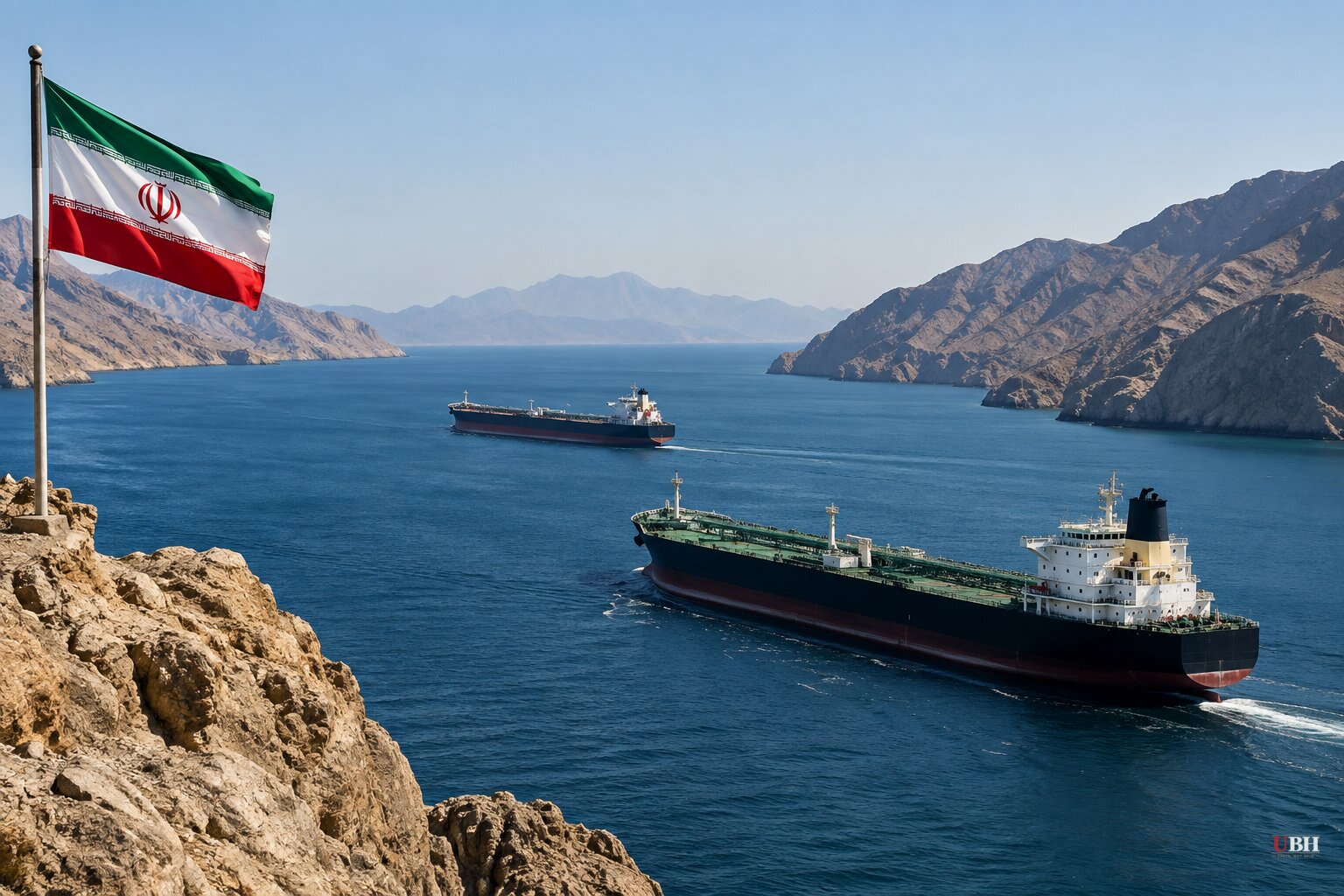
Since the February 28 US-Israeli bombing campaign kicked off the Hormuz standoff, oil markets are now showing clear signs that the physical blockade is cracking even as the political standoff drags into its seventh month.
Brent crude sat near $101.43 a barrel and WTI near $97.93 during Monday trading in Singapore, according to Briefs Finance, marking a fourth straight day of declines and the longest losing streak since June. OilPrice.com's live ticker showed similar levels, with WTI down 1.90% and Brent down 2.06% on the session.
The reason isn't a peace deal. It's throughput. Admiral Brad Cooper, who leads US Central Command, said shipments of crude and LNG moving through Hormuz hit a six-month high over the past two weeks, according to Briefs Finance. Cooper added that the main shipping lanes are clear of mines and that Gulf allies have moved more than 1 billion barrels of crude through the strait "in the last couple months."
Saudi Arabia has separately rerouted oil through Oman to work around the shutdown of its own pipeline, a move US Energy Secretary Chris Wright described to CNBC as "quick action" backed by the US military, according to Fox News. That rerouting, not any diplomatic breakthrough, is what's chipping away at the supply fear that pushed Brent up nearly 70% this year, according to Briefs Finance.
Guotai Junan Futures analyst Xuyi Zhao told Briefs Finance the market is "transitioning from deteriorating supply conditions to a stage where the worst of the crunch may have passed," while cautioning that a sustained downtrend isn't locked in yet.
Trump says he's deciding, and might sit down with Iran's president
On the political track, nothing has actually resolved. President Trump told Fox News's Trey Yingst that he's in "deciding mode" on Iran, weighing a handful of options: "wiping Iran out," "letting them rot economically," or striking a deal, according to CBS News.
"My question is, if and when do I blow the entire nation up? They better behave," Trump told Yingst.
Trump also said he'd probably be open to meeting Iranian President Masoud Pezeshkian, who is expected to attend the UN General Assembly in New York this week, according to CBS News. Whether that meeting happens, and what either side would actually offer, remains unknown.
Meanwhile CIA Director John Ratcliffe made a rare visit to Cairo on Sunday, meeting Egyptian President Abdel Fattah al-Sisi and spy chief Hassan Rashad to discuss the wars in Iran, Gaza and Sudan, plus threats to Gulf shipping, according to CBS News. Sisi's office said the Egyptian leader stressed "the paramount importance of settling regional crises through political and diplomatic tracks."
Qatar has also pushed publicly for a diplomatic resolution on Hormuz. Foreign Ministry spokesperson Ibrahim bin Sultan Al Hashmi said Doha wants consensus among all sides and warned that a shutdown of both Hormuz and the Bab al-Mandab strait would bring "catastrophic repercussions for the world," according to Iran International.
On Iran's side, parliament speaker and chief negotiator Mohammad Bagher Ghalibaf said Tehran has conveyed its conditions for reopening Hormuz to Washington through mediators, according to CBS News, though he didn't spell out those conditions publicly and said Iran won't budge "as long as the conditions are not met."
The diplomacy already failed once this month
That mediated back-channel comes after talks in Muscat, Oman, collapsed earlier in September. Iranian Foreign Minister Abbas Araghchi had planned to present maps for a "managed transit corridor" through Hormuz and seek regional buy-in for a phased Iran-Oman framework, according to Iran International. Saudi Arabia and Bahrain didn't show up, and Gulf monarchies declined to endorse Iran's proposal, killing the plan before it got off the ground.
The Houthi wildcard
Trump also claimed Sunday that Yemen's Houthis have agreed not to attack the United States, telling reporters Washington is "in constant communication with the Houthis and that they've agreed not to fight the US," according to Economic Times, which cited Fox News.
The Houthis fired a missile at Riyadh on Saturday and are actively seizing territory from Yemen's internationally recognized, Saudi-backed government, according to Economic Times. An adversary escalating against a US ally while supposedly promising to leave Washington alone doesn't confirm bad faith, but it doesn't confirm a durable deal either. Trump has made similar claims before, telling reporters during a visit to Ireland on September 12 that "the Houthis called us and they don't want to fight with us." No independent confirmation from the Houthis or a written agreement has been reported.
The State Department issued a broader warning Saturday, telling Americans to avoid travel to the region as Saudi-Houthi hostilities intensify, cautioning that "this military conflict has the potential to escalate rapidly," according to CBS News.
The open question heading into this week: does Trump actually meet Pezeshkian at the UN General Assembly in New York, and if he does, does either side bring anything beyond the same unmet conditions that sank the Muscat talks. CENTCOM's shipping numbers suggest the physical blockade is loosening. Nobody involved has said the underlying standoff is close to over.
Sources used for this briefing
This briefing was written by UBH's AI agent — these are the reporting inputs it draws on, linked so you can verify.


