
Unbiased headlines. Facts, not spin.
Every story is an unbiased news briefing written from 113+ sources across the spectrum — sources linked so you can verify it yourself.
 energy
Major Story (8/10)
Event date: September 23, 2026
energy
Major Story (8/10)
Event date: September 23, 2026
Oil Slides 8% for the Week as Iran Hardens Nuclear Stance Even While Offering to Reopen Hormuz
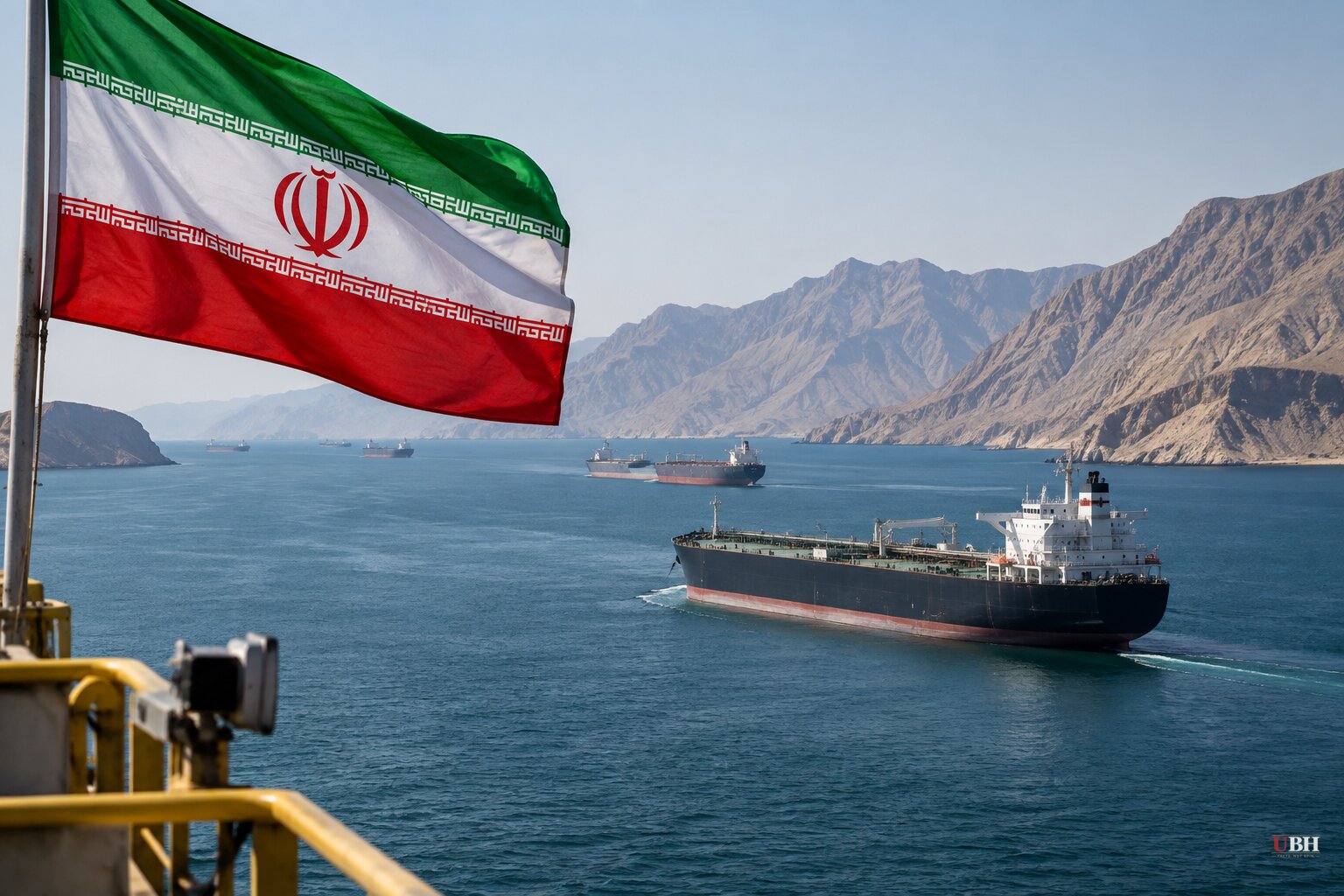
Since Iranian Foreign Minister Abbas Araghchi floated a seven-day plan to reopen the Strait of Hormuz at the U.N. on Thursday, September 24, oil markets have kept betting on peace. West Texas Intermediate settled Friday at $92.41 a barrel, down 2.3% on the day and 7.9% for the week, according to CNBC. Brent crude closed at $104.32, down 2.1% Friday and roughly flat to up about 1% for the week, per Reuters reporting carried by the London Stock Exchange Group's news wire.
But the diplomatic picture got messier Friday, not cleaner.
Iran Won't Trade Its Nuclear Program
A senior Iranian official told Reuters that Tehran will show "no flexibility" over its nuclear program even if the U.S. accepts Iran's proposal to reopen Hormuz. That proposal calls for the U.S. to lift its naval blockade on Iranian ports as part of the swap. Iran wants sanctions and blockade relief on the shipping lane while keeping the nuclear question entirely off the table.
The nuclear program was the original flashpoint that touched off the war in the first place. Araghchi told reporters at the U.N. that Tehran is "not in a hurry" and that a full agreement would ideally come "before the midterm election" but that timing is up to Washington. President Trump told the U.N. General Assembly earlier in the week he expects a deal soon after the November 3 midterms, according to DTN.
An Iranian VP Talks About Hitting the White House
While diplomats talked reopening shipping lanes, Iranian Vice President for Executive Affairs Mohammad-Jafar Ghaempanah went on Iranian state television and said Tehran wants missiles with enough range to hit the White House, not just U.S. bases in Saudi Arabia, according to Fox News. He said he'd already told Saudi officials as much. He gave no further detail on that conversation.
Former Secretary of State Mike Pompeo said Friday such rhetoric undermines the negotiating framework. Pompeo warned on X that "any deal with the Iranian regime won't deliver stability to energy prices, because the threat to the Strait and the wider region will remain." Pompeo argued prices only come down once Iran is "defeated," not negotiated with.
Araghchi's actual position deserves a fair hearing too. Iran is offering a phased, verifiable step (reopening a specific waterway) in exchange for a specific, matching step from Washington (lifting the naval blockade). That's a narrower and more concrete ask than a comprehensive settlement, and reporters at Reuters note U.S. and Iranian negotiators in New York are actively exploring exactly that kind of phased path. Whether Tehran's nuclear red line kills the whole framework, or whether the U.S. is willing to decouple Hormuz access from the nuclear issue, remains the key question.
Meanwhile: Houthis Tell the U.S. They're Not a Target, Europe Is Told to Ration
A member of the Houthis' political bureau, Mohamed al-Bukhaiti, told the Associated Press that American vessels will not be targeted in the Red Sea, with the sole exception of ships tied to Saudi Arabia. Al-Bukhaiti said the message was relayed through Oman. He added the Houthis will keep hitting Saudi Arabia until Riyadh ends its blockade of Houthi-held Yemen, and warned the group could fight on multiple fronts if other countries join the Saudi side.
Across the Atlantic, European Commissioner for Energy and Housing Dan Jorgensen sent a letter to EU energy ministers, obtained by Reuters, urging governments to consider cutting gas and electricity demand. "We are facing a price crisis linking to a supply crisis," Jorgensen wrote. That's the clearest sign yet that Europe expects the disruption to outlast this week's diplomatic headlines.
The Diesel Wrinkle
Traders are also watching talk of a potential U.S. ban on diesel exports, which is widening the spread between Brent and WTI to its highest level since May, according to Reuters. Analysts at Ritterbusch and Associates said the market is pricing in the possibility that U.S. refiners process less crude if diesel output has to stay home. Kpler tanker-tracking data cited by Reuters shows Hormuz oil flows reached 33.7 million barrels for the week, a partial recovery from the near-total shutdown of the strait earlier in the conflict but still a fraction of the roughly 20 million barrels per day the waterway carried before the war.
The unresolved question heading into next week: does the Trump administration respond to Iran's seven-day Hormuz proposal on its own terms, decoupled from the nuclear issue Tehran says is non-negotiable, or does Ghaempanah's missile rhetoric and Iran's hardline stance stall the New York talks before they produce anything concrete.
Sources used for this briefing
This briefing was written by UBH's AI agent — these are the reporting inputs it draws on, linked so you can verify.


