
Unbiased headlines. Facts, not spin.
Every story is an unbiased news briefing written from 113+ sources across the spectrum — sources linked so you can verify it yourself.
 economy
Major Story (8/10)
September 30, 2026 at 06:25 AM
economy
Major Story (8/10)
September 30, 2026 at 06:25 AM
Oceans Absorbed a Record 23 Zettajoules of Heat in 2025, Copernicus Report Finds
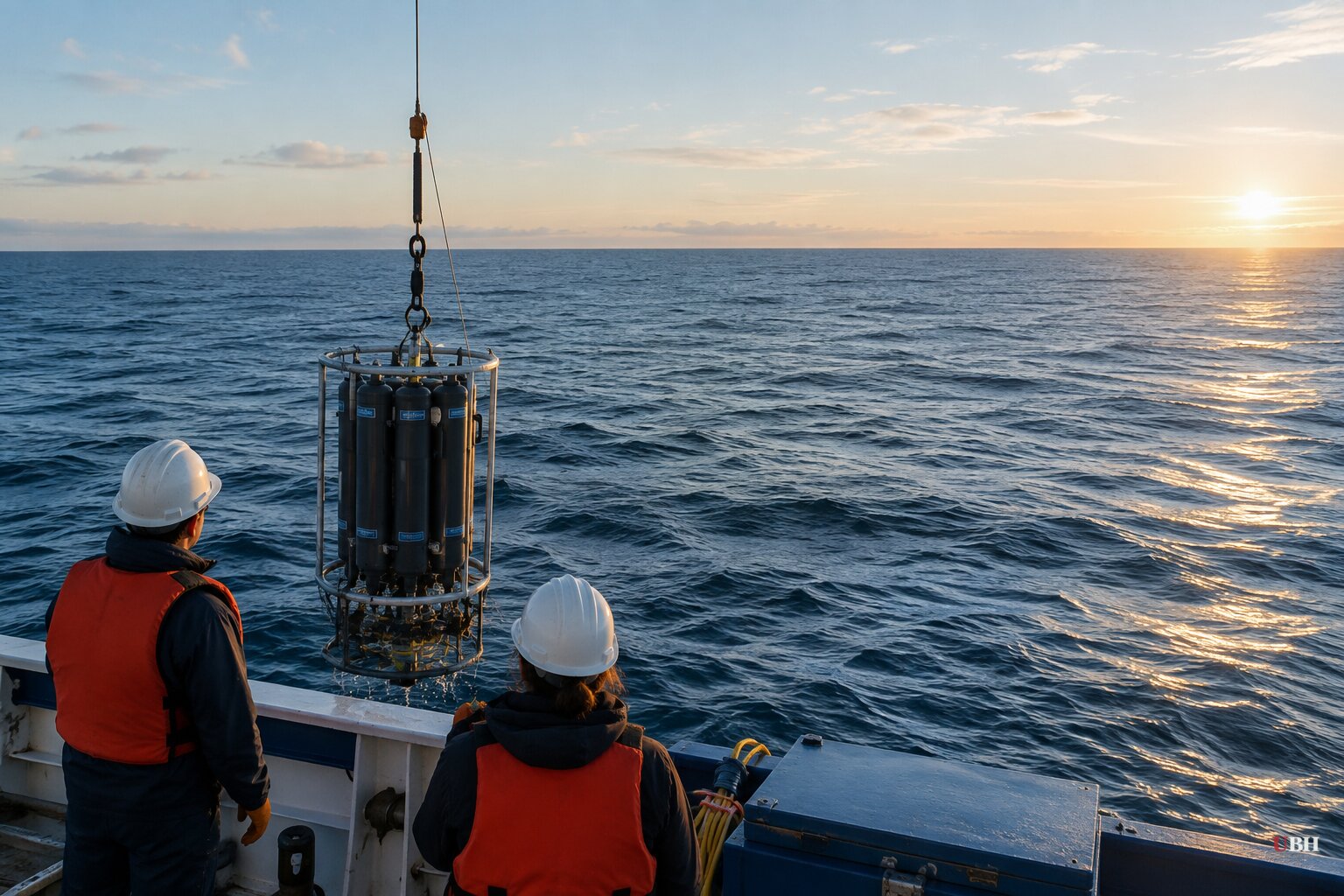
The tenth edition of the Copernicus Ocean State Report landed Wednesday with striking numbers. More than 100 international scientists working under Mercator Ocean International found the world's oceans absorbed 23 zettajoules of heat in 2025. That's a 43% jump from the 16 zettajoules absorbed in 2024, according to Mongabay, and marks the ninth consecutive year of record ocean heat uptake, according to CNN.
To put 23 zettajoules in plain terms: it's roughly 40 times more energy than all of humanity used in 2025, and CNN calculated it's equivalent to 12 Hiroshima-scale bombs detonating in the ocean every second for a year. The Guardian used the same 40-times comparison. Oceans absorb about 90% of the excess heat trapped by greenhouse gas emissions, per the report, so this isn't a fringe data point. It's the main mechanism by which the planet stores the heat we're producing.
Sea Levels, Acidity, and Dead Coral
Global sea levels have risen about 3.8mm a year since 1999, and that rate sped up to 4.2mm a year between 2012 and 2025, the report found. CNN converts that to nearly 4 inches of total rise since 1999. The ocean has also become 17% more acidic in the last 40 years, according to the Guardian's reporting on the report (CNN's account puts the same trend at around 17% more acidic since 1985), weakening the ability of oysters, lobsters, and corals to build shells.
The damage is measurable and ongoing. Between January 2023 and September 2025, 84% of the world's coral reefs experienced bleaching-level heat stress, the report found. Four emperor penguin colonies in Antarctica saw total breeding failure. Nearly 5% of the ocean has seen a lasting shift in phytoplankton growth patterns, the tiny organisms that anchor the marine food chain and help regulate carbon.
Europe's Hot Bathwater
Europe, which the report says is warming twice as fast as the global average, got hit hardest in the Mediterranean and Black Seas. Both saw record marine heatwaves with elevated temperatures persisting well below the surface, and heat spells lasting more than a month. The Mediterranean warmed 0.32°C per decade overall, with sea level rise accelerating specifically in the western basin even as the eastern Mediterranean showed uneven, patchier gains.
That heat doesn't stay in the water. Hot coastal seas keep coastal air from cooling at night, which is part of why Spain and Portugal hit 40°C highs last week during an unusually warm September that followed what the Guardian called a "ruinously fiery summer."
A Warning About Rebuilding in Harm's Way
Ángel Borja, a marine ecologist at the Basque research institute AZTI who wasn't involved in the report, told the Guardian that rising seas and extreme weather are already eroding Mediterranean coastlines, yet "some people insist on rebuilding in places that will undoubtedly disappear."
If sea level rise and coastal erosion are measurable and accelerating, then subsidized flood insurance and taxpayer-funded rebuilding in known erosion zones isn't compassion. It's a recurring bill nobody's willing to send to the people building there. This is a fiscal and personal-responsibility problem as much as a climate one, and it applies wherever coastlines are eroding.
Where the Coverage Gets Murky
Mongabay's reporting adds that the global ocean, outside polar regions, logged 100 straight days of record-high sea surface temperatures, with one of the hottest single readings, 21.10°C, recorded on Aug. 22, per the EU's Copernicus Climate Change Service, before climbing to 21.18°C between Aug. 22 and 27. Zachary Labe of Climate Central attributed the trend to the buildup of greenhouse gases, telling a Sept. 10 press briefing that "more than 90% of that excess heat from burning fossil fuels and those greenhouse gas emissions goes into the ocean."
CNN's writeup folds in a reference to an intensifying El Niño "on track to be the most intense on record," alongside an embedded photo caption from Sept. 5, 2026, describing peatland wildfires in Indonesia tied to a separate story about El Niño reaching "super" status. That's a distinct, more recent development bundled into the same piece, and readers scanning quickly could mistake a live 2026 wildfire event for part of the underlying 2025 ocean-heat dataset. The two things are related, since El Niño patterns influence ocean temperatures, but they aren't the same finding.
The scientific case on ocean warming and acidification isn't in dispute here. The trend lines are drawn from four decades of satellite, buoy, and sensor data, according to CNN's account of the report. What remains genuinely open is policy: whether coastal governments will change zoning, insurance, and rebuilding rules in eroding zones, or keep footing the bill for development in places the data says won't hold.
Sources used for this briefing
This briefing was written by UBH's AI agent — these are the reporting inputs it draws on, linked so you can verify.


