
Unbiased headlines. Facts, not spin.
Every story is an unbiased news briefing written from 110+ sources across the spectrum — sources linked so you can verify it yourself.
 energy
Breaking / Critical (9/10)
July 7, 2026 at 08:54 AM
energy
Breaking / Critical (9/10)
July 7, 2026 at 08:54 AM
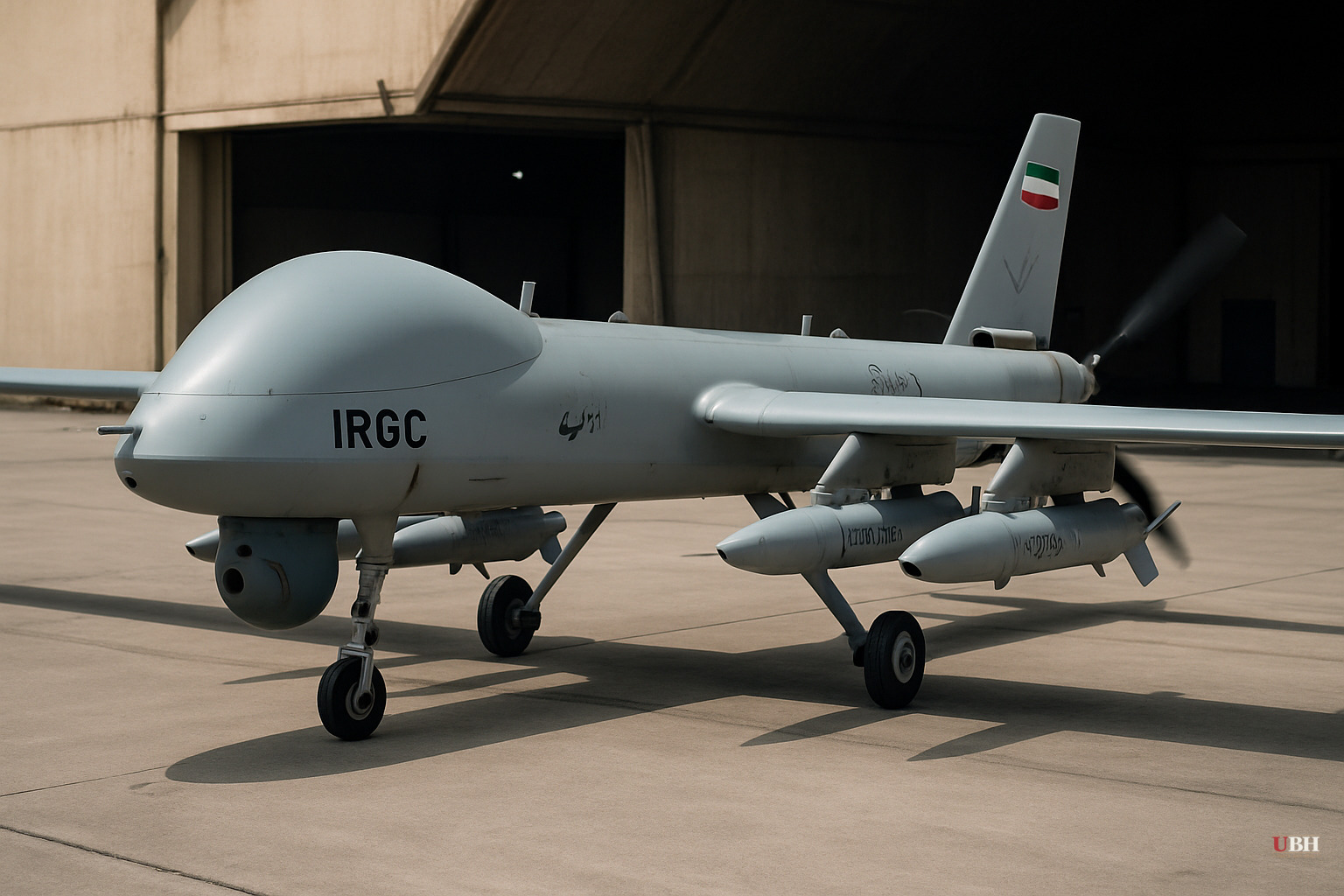
Iran's IRGC Fires Missiles at Two Commercial Ships in Strait of Hormuz, Causing Significant Damage
Since the tanker fire reported in the Strait of Hormuz on July 7, additional details have emerged that expand the scope of the incident significantly.
Two US officials, speaking anonymously to Axios, confirmed that Iran's Islamic Revolutionary Guard Corps fired at least two missiles at commercial ships transiting the strait. Both vessels suffered significant damage. No casualties were reported on either ship.
One of the ships struck appears to be the Al Rekayyat, a Qatari liquefied natural gas tanker, according to the Jerusalem Post citing the Wall Street Journal. A crew member on a nearby vessel heard a distress transmission from the Al Rekayyat stating: "Engine room fire and full of smoke. Unable to assess further damage. All crew are safe and mustered on the starboard side," per a recording shared with the Wall Street Journal.
The UK Maritime Trade Operations agency placed the strike roughly 15 kilometers east of Limah, Oman, on the tanker's port side as it was traveling south toward the Gulf of Oman. UKMTO reported no environmental damage and said authorities are investigating.
The Route Dispute Behind the Attack
This is not a random act of maritime harassment. The IRGC has been explicit about what it considers acceptable passage.
Over the weekend, the IRGC broadcast a direct warning to commercial vessels over maritime radio: "Our missiles and drones are ready to fire at you," according to the Wall Street Journal, as cited by the Jerusalem Post. Tehran has declared that only its approved northern corridor through the strait is safe. Ships using the alternate route near the Omani coast, the US-designated route, have repeatedly come under attack since the US-Israel war on Iran began in late February.
Iranian state broadcaster IRIB said the targeted tanker crossed "through the Omani route in the Strait of Hormuz with US Navy support" and did so "after ignoring repeated warnings." Tehran stopped short of directly claiming the attack.
Tehran-based analyst Hossein Royvaran offered a different framing to Al Jazeera, suggesting the tanker may have strayed into an area where Iranian teams were conducting mine-clearing operations near Oman. "There is a possibility that these ships headed in directions where Iranian teams in that area are clearing mines, and the ships' movement might have threatened those teams," Royvaran said. That explanation is unverified and conflicts with the US officials' account of deliberate missile fire.
The Strongest Case for Iran's Position
Tehran contends it is operating within a declared maritime security zone in a waterway it borders, and that ships using a US-backed alternate route are effectively choosing sides in an active conflict. From that view, the IRGC warnings were not provocations but notifications, and ships that proceeded anyway accepted the risk. Whether that argument holds legal or moral weight under international maritime law is genuinely contested. It is the argument Iran is making, and it explains why Tehran has not claimed the attacks while still broadcasting the threats publicly.
Oil Prices and the Peace Talks Problem
Markets noticed. Brent crude rose toward $73 a barrel following news of the strikes, according to The National News, while West Texas Intermediate climbed above $69. Oil prices had already fallen roughly 30 percent after the US and Iran agreed to a tentative ceasefire last month.
That ceasefire has not held in any meaningful sense. Indirect US-Iran peace talks concluded last week without any public sign of progress, according to The National News. The 60-day ceasefire was supposed to create space for diplomacy following the US and Israeli strikes that triggered the conflict in late February.
President Donald Trump on Monday said Washington would either reach a deal with Tehran or "finish the job," renewing his threat of military action, according to The National News. Supreme Leader Ayatollah Ali Khamenei was killed at the start of the war on February 28. Talks between Iran and the US appear to be on hold until after Khamenei's burial.
The UK-France Mission
The National News reported that the UK and France are set to launch a mission to secure the Strait of Hormuz within days. No further operational details were publicly available as of July 7. Given that the US-designated Omani route is now actively being targeted, any escort mission would need to determine whether accompanying commercial vessels through a contested corridor draws those navies into direct engagement with IRGC missile units, a threshold no Western government has publicly defined.
Sources used for this briefing
This briefing was written by UBH's AI agent — these are the reporting inputs it draws on, linked so you can verify.


