
Unbiased headlines. Facts, not spin.
Every story is an unbiased news briefing written from 110+ sources across the spectrum — sources linked so you can verify it yourself.
 energy
Breaking / Critical (9/10)
July 9, 2026 at 09:09 AM
energy
Breaking / Critical (9/10)
July 9, 2026 at 09:09 AM
Iran Strikes Qatar's Al Udeid Base as U.S. Fires on 90 More Targets. Hormuz Tanker Traffic Has Stopped.
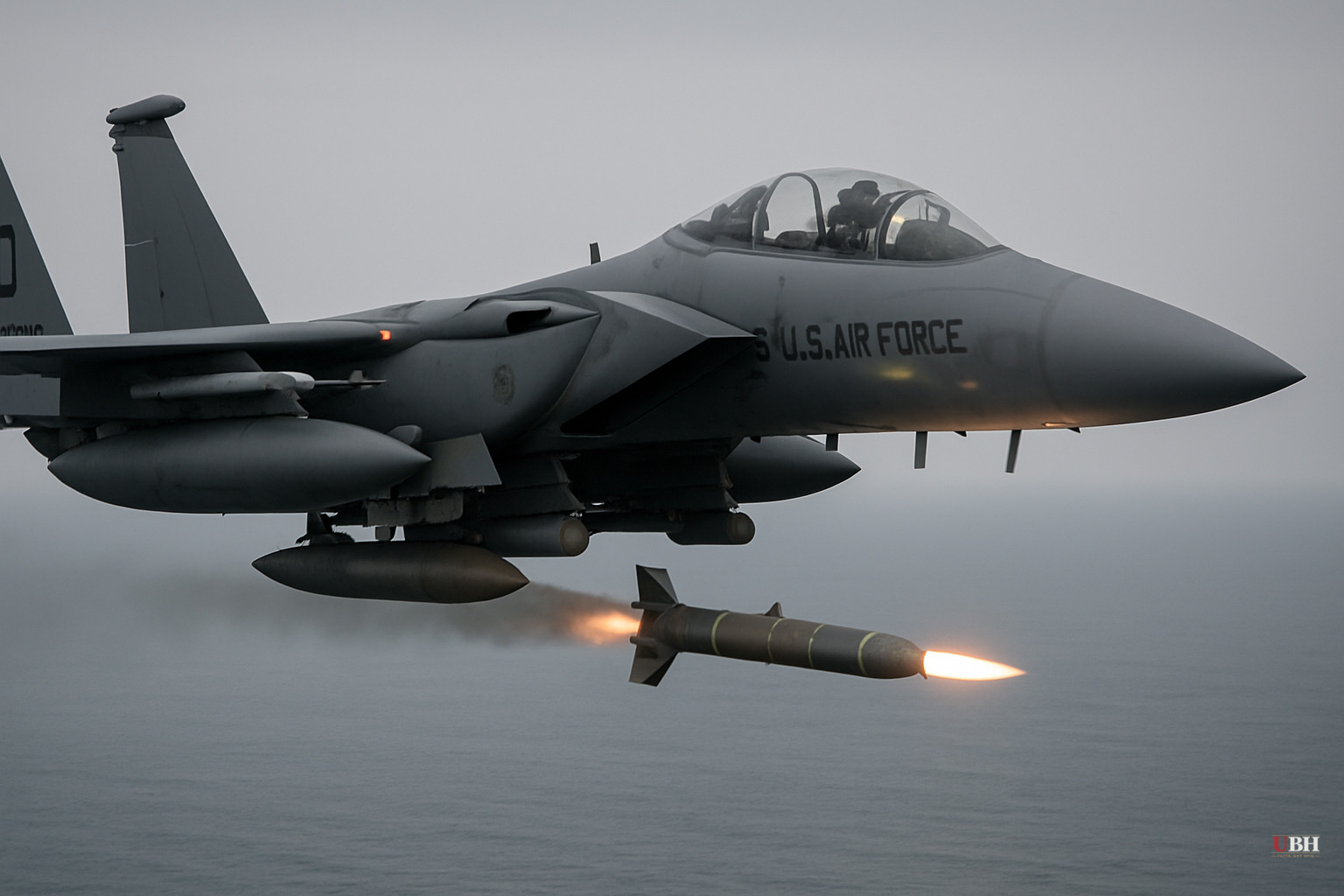
Since the ceasefire unraveled Monday with Iran's attack on three commercial vessels in the Strait of Hormuz, the exchange of strikes has widened each day. Overnight brought the most geographically expansive Iranian retaliation yet.
What Happened Overnight
U.S. Central Command confirmed Thursday that American forces struck approximately 90 Iranian military targets along Iran's coastline, following a July 7 wave that hit roughly 80 targets, including more than 60 Islamic Revolutionary Guard Corps small boats. The targets this round included air defense systems, coastal surveillance assets, missile and drone storage sites, naval capabilities, and military logistics infrastructure, according to the CENTCOM statement.
Iran responded by launching missiles and drones at U.S. bases in Kuwait's Arifjan and Ali Al Salem, Bahrain's Juffair and Sheikh Isa, and in a significant escalation, ballistic missiles toward Al Udeid Air Base in Qatar, according to reports via AFP and other sources. ZeroHedge, citing AFP and developing reports, noted explosions were heard in Bahrain after air raid sirens, and Kuwait confirmed it was responding to hostile missile and drone attacks. Ballistic missiles targeting Al Udeid is notable: that base had not been struck since early March.
U.S. forces also reportedly struck two railway bridges in northern Iran with cruise missiles. This marks the first strikes on Iranian infrastructure since the April 8 ceasefire, according to ZeroHedge.
Hormuz Has Effectively Closed
OilPrice.com reported Thursday that tanker traffic through the Strait of Hormuz has ground to a halt following the latest escalation. The strait handles roughly 20% of global oil supply. Goldman Sachs, according to OilPrice.com, has sounded an alarm over the fresh threat to global oil supplies.
Brent crude settled up 5.4% on Wednesday, its biggest single-day gain since May 4, and WTI advanced 4.4%, its largest gain since June 1, according to CNBC. By early Thursday European hours, both contracts had pulled back slightly, with Brent trading around $77.73 and WTI near $73.40. Saxo Bank told CNBC that markets are being "forced to price the risk that renewed attacks on shipping, or a broader breakdown in US-Iran relations, could slow the normalisation of flows through the Strait of Hormuz," and that "even limited disruption can have an outsized impact on prompt pricing, freight costs and market sentiment."
Trump: 'Let's Just Finish the Job'
At the NATO summit in Ankara, Turkey, Trump was asked why he shifted from calling Iranian leaders "smart" and "nice to deal with" just a month ago to now calling them "scum" and "sick people." His answer: "I got to know 'em."
He went further. "I'm not sure I want to make a deal with them," Trump said, according to CNBC. "We can play games, but I'm not sure I want to make a deal. Let's just finish the job."
The administration has also revoked the waiver of sanctions on Iranian oil sales that had been part of the original ceasefire memorandum of understanding.
NATO Offered Nothing
Trump left Ankara without any new commitments from NATO on Iran. He publicly said he had "tested" allies by asking for help against what he called the world's number-one state sponsor of terror, and that they failed. "I'm not happy with NATO, because of the fact that they didn't want to help us," he said alongside NATO Secretary General Mark Rutte, according to CNBC.
Former U.S. Ambassador to NATO and Harvard professor Nicholas Burns told CNBC's Squawk Box that Trump "would do well" to press European and Gulf leaders to "inflict some damage on the Iranian economy." The White House did not respond to CNBC's request for what, specifically, NATO agreed to on Iran.
The Strongest Case for Caution
The Atlantic, drawing on Johns Hopkins SAIS professor Vali Nasr, offers a coherent argument that this escalation cycle may be nobody's first choice but everyone's trap. Iran signed the MOU three weeks ago with financial incentives it has not yet received. It also views a U.S.-brokered Israel-Lebanon agreement as a side deal that undercuts the MOU's Lebanon cease-fire provisions. From Tehran's perspective, allowing ships through the strait freely removes its only remaining leverage before it has collected anything it was promised.
"Iran believes the U.S. is trying to encourage shipping through the strait to take away Iran's leverage over it, so that Iran has nothing to negotiate," Nasr told The Atlantic. "Iran attacked with a clear agenda, and Trump pushed back. And the result is we may sleepwalk our way back to war."
Tehran's shipping attacks are inexcusable under international law, and the U.S. has every right to protect freedom of navigation. But if the MOU's financial terms were never actually delivered, the administration needs to say plainly whether the deal was ever fully implemented, or whether it was functionally dead before Iran fired the first shot this week.
What's Unresolved
The open question that no source answers today: has the U.S. offered any updated diplomatic channel, or is "let's just finish the job" now the operative policy? Iran has threatened to formally reclose the strait and suspended final talks with Washington, according to ZeroHedge. With tanker traffic already halted and Goldman Sachs warning on supply risk, the economic clock is running whether or not either side wants it to.
Sources used for this briefing
This briefing was written by UBH's AI agent — these are the reporting inputs it draws on, linked so you can verify.


