
Unbiased headlines. Facts, not spin.
Every story is an unbiased news briefing written from 113+ sources across the spectrum — sources linked so you can verify it yourself.
 energy
Major Story (8/10)
September 27, 2026 at 02:37 PM
energy
Major Story (8/10)
September 27, 2026 at 02:37 PM
Hormuz Oil Flows Rebound to Two-Thirds of Prewar Levels as Iran Attacks 19 Ships and Drafts New Penalties
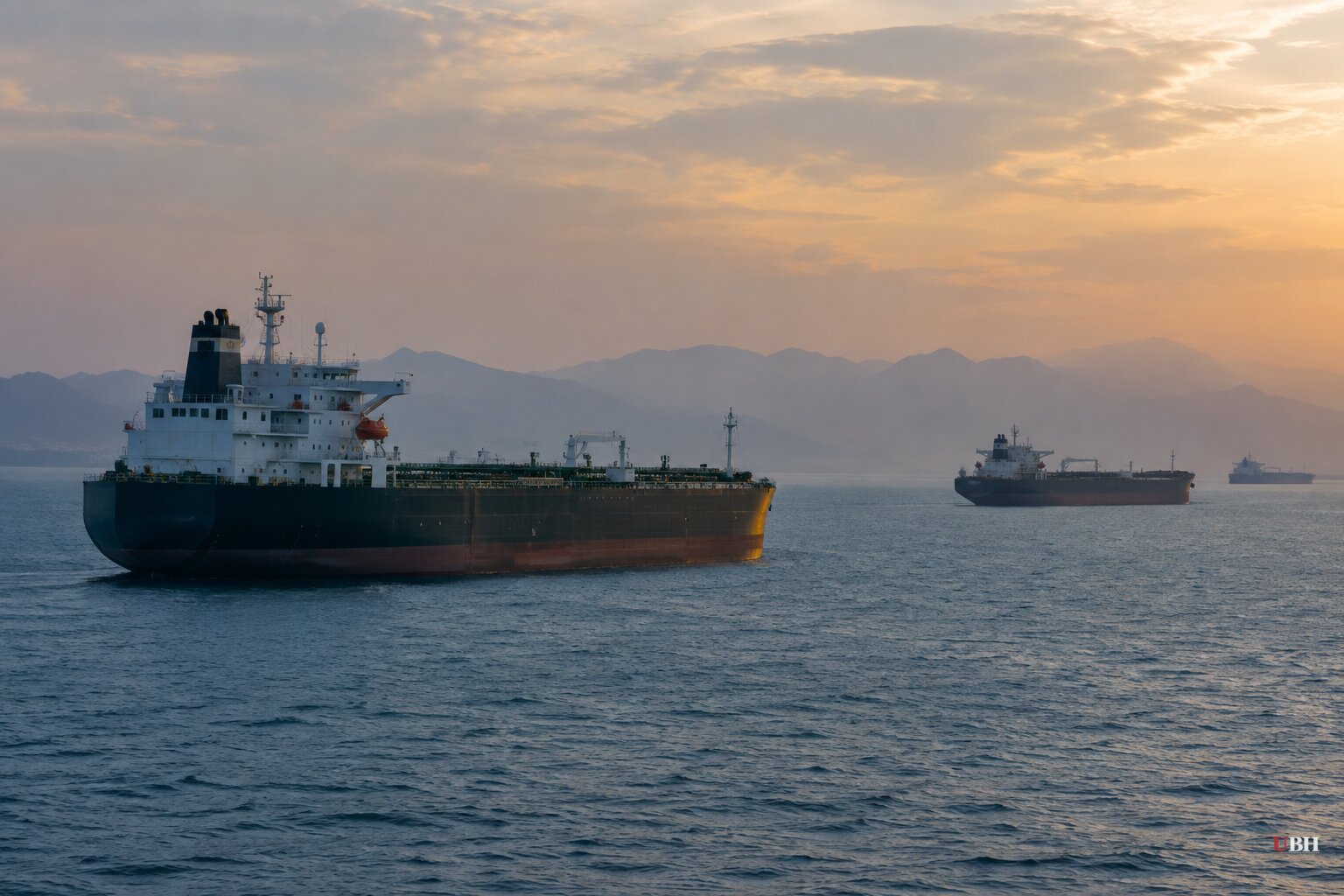
Since the US-Israeli war on Iran began February 28, the Strait of Hormuz has gone from near-total shutdown to a murky partial recovery, and the numbers describing that recovery don't all agree.
Rory Johnston, founder of the oil research firm Commodity Context, wrote on X this weekend that Hormuz oil shipments have climbed back to roughly two-thirds of prewar levels, citing Kpler ship-tracking data. He put current flows above 13.5 million barrels a day on a seven-day average. Energy analyst Art Berman, quoting Johnston, said the surge means "Hormuz is no longer behaving like a chokepoint under effective Iranian control."
Bloomberg ship-tracking data backs up the trend. Saudi Arabia's crude exports averaged 5.28 million barrels a day over the first 23 days of September, the kingdom's strongest pace since the war started, with about 3.4 million barrels a day loaded directly at Gulf ports. Qatar has also ramped up LNG tanker traffic through the strait to its highest level in more than two months, according to Doha-based QNB Financial Services.
Wright gives two different numbers
US Energy Secretary Chris Wright has been the administration's main voice on the numbers, but his own figures shifted between interviews. He told CNN that US-facilitated transits through Hormuz are "averaging over 9 million barrels a day," and that with pipelines bypassing the strait, total flows are "probably two-thirds or more of pre-conflict levels." In a separate interview with Fox News, Wright put the running average closer to 13 million barrels a day and said one day last week saw more than 20 million barrels transit the waterway, above prewar levels.
Those are two very different daily averages from the same official within the same reporting window. Neither Fox News nor CNN flagged the gap. Wright also argued that today's high pump prices, which have pushed US gas above $6 a gallon, are driven more by refining bottlenecks than by the volume of oil actually clearing Hormuz.
Danger hasn't gone away
Even as volume recovers, Iran's military kept attacking. Bloomberg, citing Iran's semi-official Fars news agency, reported that Iranian forces targeted 19 ships attempting to use authorized Hormuz routes over a 48-hour stretch. Berman's read on this: "Iran can still attack ships, raise insurance costs and make the strait dangerous. But danger is not the same as control."
That distinction matters, and it's a fair one. A country that can't stop oil from moving but can still sink or damage individual ships hasn't lost its ability to inflict costs, even if it's lost its ability to shut the chokepoint down entirely. Higher insurance premiums and continued attacks are a real economic drag regardless of the aggregate barrel count.
Tehran is also moving on the legal front. Iran's Parliament National Security and Foreign Policy Commission approved Articles 13 through 15 of a bill that would let authorities confiscate 20% of a violating vessel's cargo, or its cash equivalent, and impound ships until fines are paid, according to commission member Hassan Ghashghavi as reported by Ground News. The bill would also create specialized maritime courts and put enforcement under Iran's General Staff of the Armed Forces. It is not yet law. The full Parliament still has to vote and Iran's Constitutional Council has to review it.
Separately, Iran's Persian Gulf Strait Authority has posted repeated warnings on X telling ships not to use "unauthorized routes," saying violators face financial losses, damage, and future restrictions on transiting the strait, per Reuters and other outlets tracked by Ground News.
The data doesn't fully agree with itself
Not every count points the same direction. Shafaq News reported that Hormuz traffic fell sharply to just 17 commodity vessels over a weekend in late September, down from 37 the week before, citing Kpler. That count came from the same tracking firm behind the recovery figures cited elsewhere, and covers the same general period as the reported Saudi export surge. Both things can be true if Saudi crude is increasingly moving via non-Hormuz pipeline routes while total vessel traffic through the strait itself stays volatile and depressed compared to the roughly 125 vessels a day that transited before the war.
What's unresolved: whether Iran's new penalty bill will pass Parliament and the Constitutional Council intact, whether attacks on ships increase as Saudi and Qatari traffic rises, and whether Wright's two different daily-flow figures reflect different measurement windows or something the Energy Department hasn't clarified publicly.
Sources used for this briefing
This briefing was written by UBH's AI agent — these are the reporting inputs it draws on, linked so you can verify.


