
Unbiased headlines. Facts, not spin.
Every story is an unbiased news briefing written from 110+ sources across the spectrum — sources linked so you can verify it yourself.
 energy
Major Story (8/10)
September 20, 2026 at 08:35 AM
energy
Major Story (8/10)
September 20, 2026 at 08:35 AM
CENTCOM Says US Forces Escorted 1 Billion Barrels Through Hormuz, Iran Calls the Claim a Lie
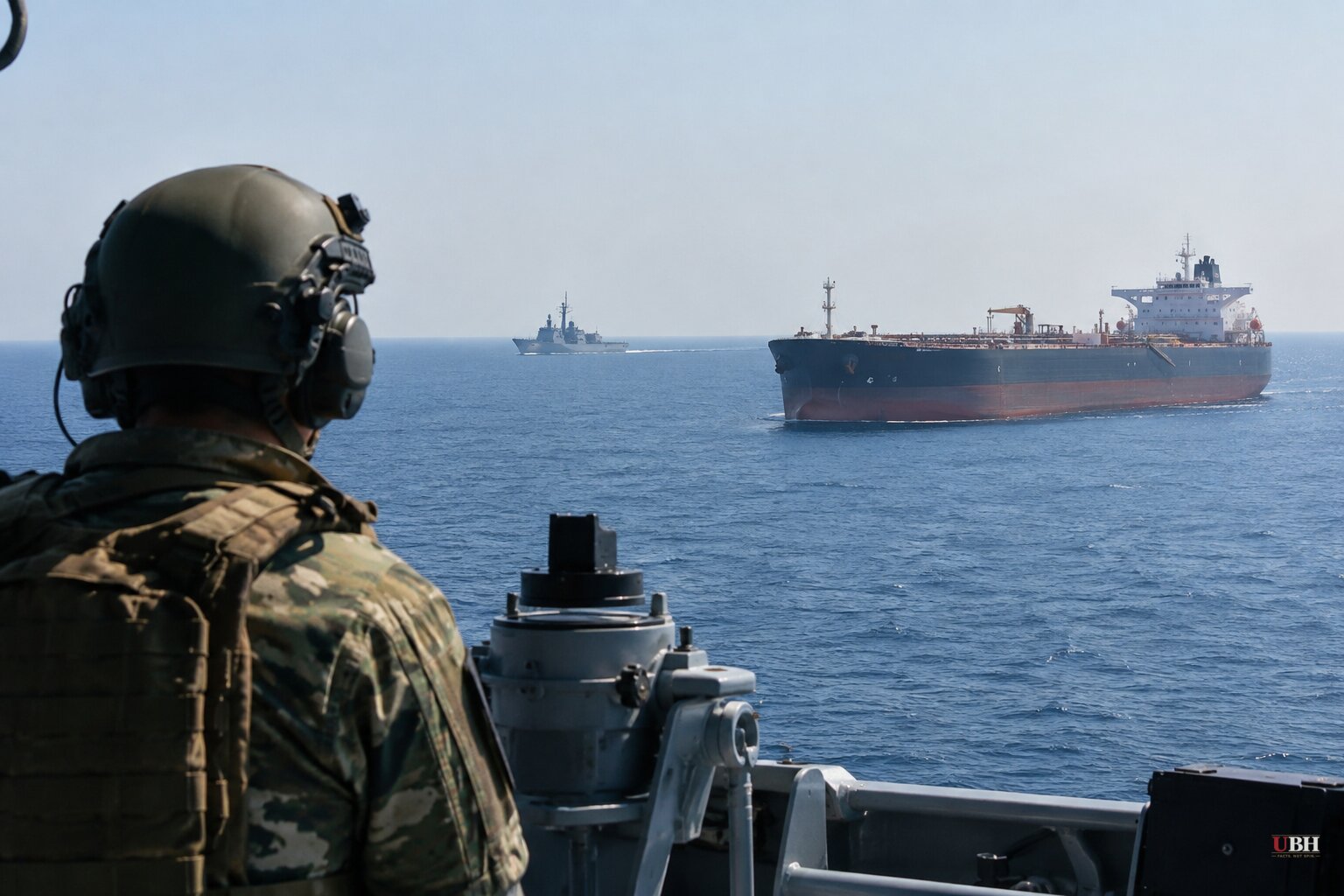
Since Iran restricted passage through the Strait of Hormuz following US-Israeli strikes on February 28, the standoff over the world's most important oil chokepoint has ground on for nearly seven months. Saturday brought dueling claims from Washington and Tehran about who actually controls it.
Adm. Brad Cooper, head of US Central Command, said in a video statement that American forces have supported more than 1 billion barrels of crude oil leaving the Gulf in recent months while assisting over 2,000 commercial vessel transits through the strait. Cooper said the primary shipping lanes are now clear of mines after a mine-clearing effort CENTCOM called a "major milestone" back on August 28.
"Over one billion barrels of crude have been shipped from Gulf partners through the Strait of Hormuz, and Iran has exported zero barrels, thanks to our ironclad blockade," Cooper said, according to CENTCOM's statement carried by Breitbart, Kurdistan 24 and Anadolu Agency. He added that oil, cargo and LNG volumes over the past two weeks were the highest of the six-month war.
Iran's armed forces spokesman, Abolfazl Shekarchi, rejected the claim outright. In a statement carried by Xinhua and China Daily, Shekarchi called Cooper's numbers "false and ridiculous" and accused CENTCOM of running "a failed psychological operation to boost the morale of the terrorist U.S. Army's exhausted and worn-out forces." He insisted Iran's military still holds the initiative in the strait. Related Anadolu Agency reporting notes Iran has separately said Hormuz will "remain closed until the US fulfills its commitments," a position Tehran has held since the war's opening days.
Neither side's numbers can be independently verified from public shipping data in these reports. CENTCOM's figures come from the US military itself, with no outside audit cited. Iran's denial is a rejection, not a competing dataset. What outside analysts do have is a rough picture of total flow through the region, and it does not fully back either side's framing.
UBS oil and gas analyst Henri Patricot told clients, as reported by ZeroHedge, that combined crude and product exports through Hormuz and alternative routes hit roughly 14 million barrels a day in the two days before Friday, with a weekly average around 12 million barrels a day. That compares to more than 20 million barrels a day before the war started in late February, meaning the region is still running at roughly a 40% shortfall from pre-war levels even as CENTCOM touts record recent volumes. Brent crude was easing toward $103 a barrel by week's end, ZeroHedge reported, as mixed signals on Iran and hopes for diplomacy around the UN General Assembly weighed on prices.
CNN's reporting on a Tuesday strike operation, sourced to two US officials, adds detail CENTCOM's Saturday statement did not mention. US forces escorted 40 commercial vessels carrying 18 million barrels of oil through the strait that day, a wartime high, while simultaneously striking nearly 60 military targets around Hormuz, including air defense sites, radar systems and mine-laying capabilities. One official told CNN that Trump's other stated priority, eliminating what remains of Iran's enriched uranium stockpile, has been "effectively backburnered" while CENTCOM's mission has narrowed to protecting the strait and enforcing the port blockade. A second official described the ongoing strikes as "mowing the grass," since Iran keeps rebuilding what gets destroyed.
The broader regional picture stayed volatile through the weekend. The Saudi-led coalition said it intercepted a Houthi ballistic missile aimed at Riyadh on Saturday, and the Iran-backed Houthis claimed missile and drone strikes on unspecified "sensitive" sites in the Saudi capital, according to Breitbart. CBS News reported Friday that two vessels near the strait were hit by projectiles, with Iran claiming responsibility for one strike over an alleged "illegal crossing." President Trump told Axios on Thursday he would soon make a "big decision" on whether to launch a larger assault to "annihilate" the Iranian regime, adding "anything could happen to me."
Saudi Arabia has also told major European refiners that crude loadings will be halted next month because of continued disruption to its East-West pipeline, according to ZeroHedge's sourcing on UBS's Patricot, a sign the region's supply squeeze is not resolving even as CENTCOM claims momentum at Hormuz. Whether Cooper's zero-export figure for Iran holds up to independent scrutiny, or whether Tehran finds new smuggling routes CENTCOM hasn't accounted for, is the open question heading into any Trump decision on further military action after the midterms.
Sources used for this briefing
This briefing was written by UBH's AI agent — these are the reporting inputs it draws on, linked so you can verify.


