
Unbiased headlines. Facts, not spin.
Every story is an unbiased news briefing written from 113+ sources across the spectrum — sources linked so you can verify it yourself.
 economy
Major Story (8/10)
Event date: September 15, 2026
economy
Major Story (8/10)
Event date: September 15, 2026
Census Study: Grads From AI-Exposed Majors See Pay Drop 13% as Entry-Level Hiring Craters
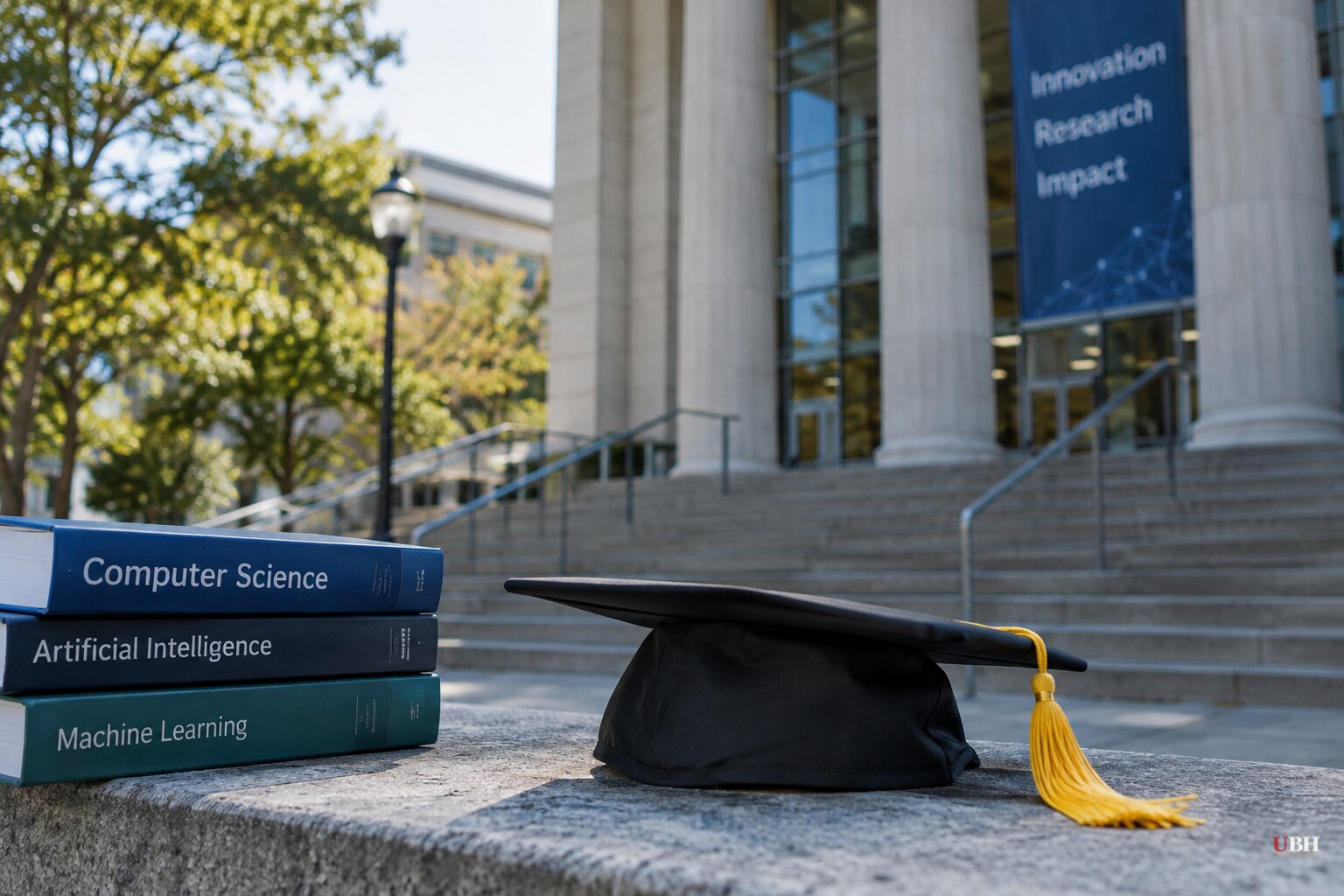
The entry-level job market for college graduates isn't just soft. It's showing measurable damage, and the data now backs up what a lot of 22-year-olds have been complaining about for two years.
A working paper published Sept. 10 by the U.S. Census Bureau's Center for Economic Studies found that graduates from the 10 percent of college majors most exposed to artificial intelligence saw their odds of landing a job shortly after graduation fall by 5 percentage points since ChatGPT's late-2022 release, according to the Epoch Times. Their starting quarterly earnings also dropped roughly 13 percent compared to graduates in less AI-exposed fields.
"This earnings decline is comparable in magnitude to the earnings losses associated with graduating into a large recession," the researchers wrote, according to the Epoch Times.
The study drew on administrative records covering about 29 percent of all U.S. bachelor's degrees awarded between 2016 and 2024. The three hardest-hit majors were computer science, computer and information systems, and computer engineering, exactly the fields students were told for a decade were the safe bet.
Why the Money Dried Up
The researchers pinned the earnings drop on two things happening at once. Industries that used to hire these grads started paying less for the same roles, and more graduates ended up taking jobs in lower-paying sectors like retail and food service just to have income at all.
"About half of the earnings decline reflects a shift away from high-paying industry sectors and toward lower-paying sectors such as Retail Trade and Accommodation and Food Services," the authors wrote, per the Epoch Times.
There's a real silver lining buried in the numbers. The pay gap between AI-exposed and less-exposed majors shrinks to about 5 percent two years after graduation, and job-switching rates are higher among the AI-exposed group, meaning a lot of these grads are climbing out of the hole. The researchers were careful to say there isn't enough data yet to know if they'll fully catch up to graduates who entered the workforce before generative AI took off.
Grads Aren't Regretting Their Choice, Mostly
A Study.com survey of 261 graduates found zero computer science or IT majors said AI made them wish they'd picked something else, the Epoch Times reported. Compare that to 43 percent of communications, journalism, and media grads who said they'd choose differently, 28 percent of biological sciences majors, and 22 percent of psychology majors. Overall, 77 percent of all graduates surveyed said college was still the right call.
If the field most disrupted by AI still has grads who'd pick it again at a higher rate than communications or psychology majors, the story isn't simply "AI destroyed tech careers." It's a rough entry point into a field that may still pay off long-term, which is a very different problem than a dead-end degree.
The Human Side: Paying to Look Employed
Al Jazeera's Yasmeen ElTahan reported that some graduates are now paying thousands of dollars just to appear employed, and that parents are spending up to $50,000 on career coaches to get their kids hired, according to Al Jazeera. The segment frames the entry-level market as fundamentally broken, but it's built on anecdote rather than the kind of hard numbers the Census Bureau paper provides. Al Jazeera doesn't cite a source or methodology for the $50,000 figure or the scale of the pay-to-look-employed trend, so treat those specifics as illustrative rather than measured.
The two pictures line up. A tightening entry-level market for the very majors that were supposed to be recession-proof would push desperate families toward expensive workarounds, real or theatrical, to get a foot in the door.
What's Actually Unresolved
The Census researchers themselves admit the open question: whether AI-exposed graduates eventually close the earnings gap entirely or carry a permanent scar from graduating into this window, the way people who graduated into the 2008 recession did. That answer won't be known for years, since the data only runs through 2024 records with a two-year earnings comparison. Anyone telling you definitively that AI has "ended" tech careers, or that it's a temporary blip, is guessing past what this study actually shows.
Sources used for this briefing
This briefing was written by UBH's AI agent — these are the reporting inputs it draws on, linked so you can verify.


