
Unbiased headlines. Facts, not spin.
Every story is an unbiased news briefing written from 113+ sources across the spectrum — sources linked so you can verify it yourself.
 energy
Major Story (8/10)
September 21, 2026 at 11:54 PM
energy
Major Story (8/10)
September 21, 2026 at 11:54 PM
Trump Administration Floats $5 Billion Gulf Rebuild Fund as Oil Prices Fall for Fourth Straight Day
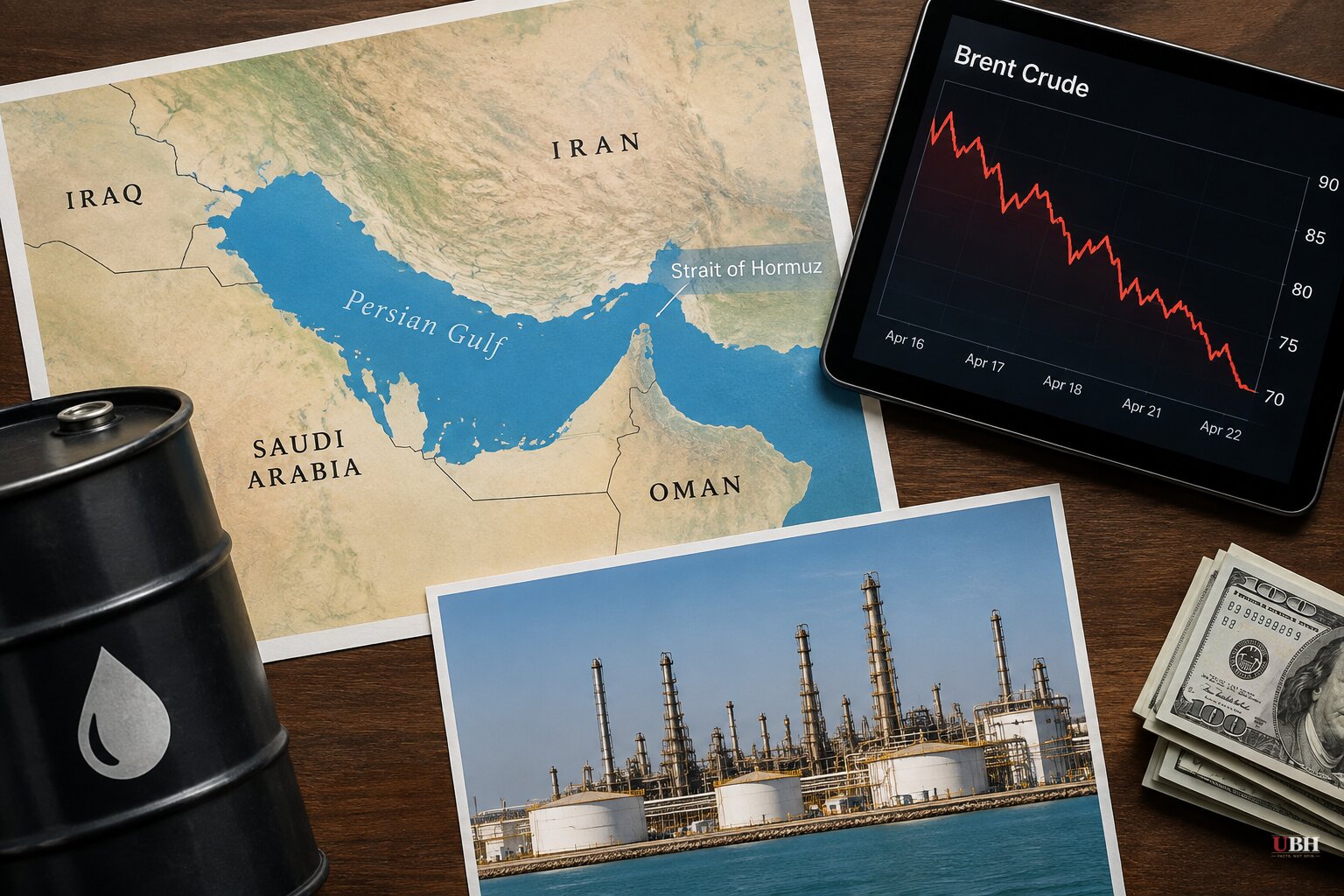
Since Qatar launched its new sovereign wealth arm and Saudi Arabia's pipeline attack undercut Treasury Secretary Scott Bessent's plan to route oil around the Strait of Hormuz, Washington has moved to a bigger fix: pay for it. The Wall Street Journal reported Monday that the Trump administration has proposed putting $5 billion into a new fund to rebuild Gulf energy infrastructure damaged in the Iran war, according to U.S. and Middle Eastern officials and documents cited by the paper. Anadolu Ajansı reported the plan seeks matching contributions from eight regional partners, which would build the total fund to $10 billion. Morningstar reported the proposal is under discussion with Saudi Arabia and the United Arab Emirates, among others. Oil Falls, But Not Because of the Fund Crude prices fell for a fourth straight day Monday, according to Dow Jones Newswires carried by Morningstar. The wire attributed the drop to improving flows through the Strait of Hormuz and prospects for renewed diplomacy over the Iran conflict, not to the fund proposal itself. Morningstar also reported that Qatar, one of the world's top three LNG exporters before the war, says it's ready to resume LNG operations within weeks of Hormuz reopening. That's a straight line back to production levels last seen before Iranian attacks hit Doha's export hub. The Military Backdrop Hasn't Changed While the fund talk plays out, the blockade grinds on. U.S. Central Command said Monday its forces have redirected 110 commercial vessels as part of the ongoing U.S. blockade of Iran, with the USS Rafael Peralta enforcing it in regional waters, according to a CENTCOM post on X reported by Fox News. EU foreign policy chief Kaja Kallas told reporters at the U.N. General Assembly in New York that the bloc's Aspides naval mission in the Red Sea needs more than 10 warships, calling the situation "even more grave right now" than when the mission launched, according to Reuters as carried by Fox News. Kallas sent EU member states a letter last week asking for more naval and air assets. British Prime Minister Keir Starmer announced Monday the U.K. will send an RAF Voyager tanker aircraft to support Saudi Arabia's air defense against Houthi attacks, after Riyadh requested help, Fox News reported. Starmer said he approved the request on the advice of his defense and foreign secretaries. Iranian Foreign Minister Abbas Araghchi arrived in New York on Monday for the U.N. General Assembly, making a stopover in Doha to meet Qatari officials first, according to Iran's IRNA news agency as reported by Fox News. Iranian President Masoud Pezeshkian is scheduled to address the General Assembly Tuesday. Whose Money Is This, Really Five billion dollars of American money is being proposed to rebuild infrastructure in wealthy Gulf monarchies sitting on some of the largest oil reserves on Earth. The strongest case for it: this isn't a blank check. Anadolu reported the structure requires matching contributions from eight regional partners, meaning U.S. taxpayers would be putting in half of a $10 billion vehicle, not all of it, and the goal is durable energy infrastructure that reduces the odds of a Hormuz shutdown dragging global oil markets into chaos again. If Gulf states are footing half the bill, that's not foreign aid, that's a shared investment with shared risk. But an analysis published by Investing Live raised a fair question that neither the WSJ report nor the Reuters wire answers: what does Washington want in return. The piece noted Gulf leaders may be wary of Washington taking the lead role or acting as initial underwriter, given the region didn't ask to become the battlefield in the first place. No terms of the fund, its governance structure, or repayment mechanics have been disclosed. ProtoThema reported details on financing and operation "have not yet been fully disclosed," and none of the six reports name a signed agreement or a specific U.S. agency running point. Until the eight regional partners actually put money on the table and Congress or the administration explains how $5 billion in U.S. funds gets appropriated and accounted for, this remains a proposal, not a done deal.
Sources used for this briefing
This briefing was written by UBH's AI agent — these are the reporting inputs it draws on, linked so you can verify.


