
Unbiased headlines. Facts, not spin.
Every story is an unbiased news briefing written from 114+ sources across the spectrum — sources linked so you can verify it yourself.
 energy
Major Story (8/10)
Event date: July 23, 2026
energy
Major Story (8/10)
Event date: July 23, 2026
Six Saudi Supertankers Reroute Around Africa as Houthi Blockade Kills Four Crew in Bab el-Mandeb
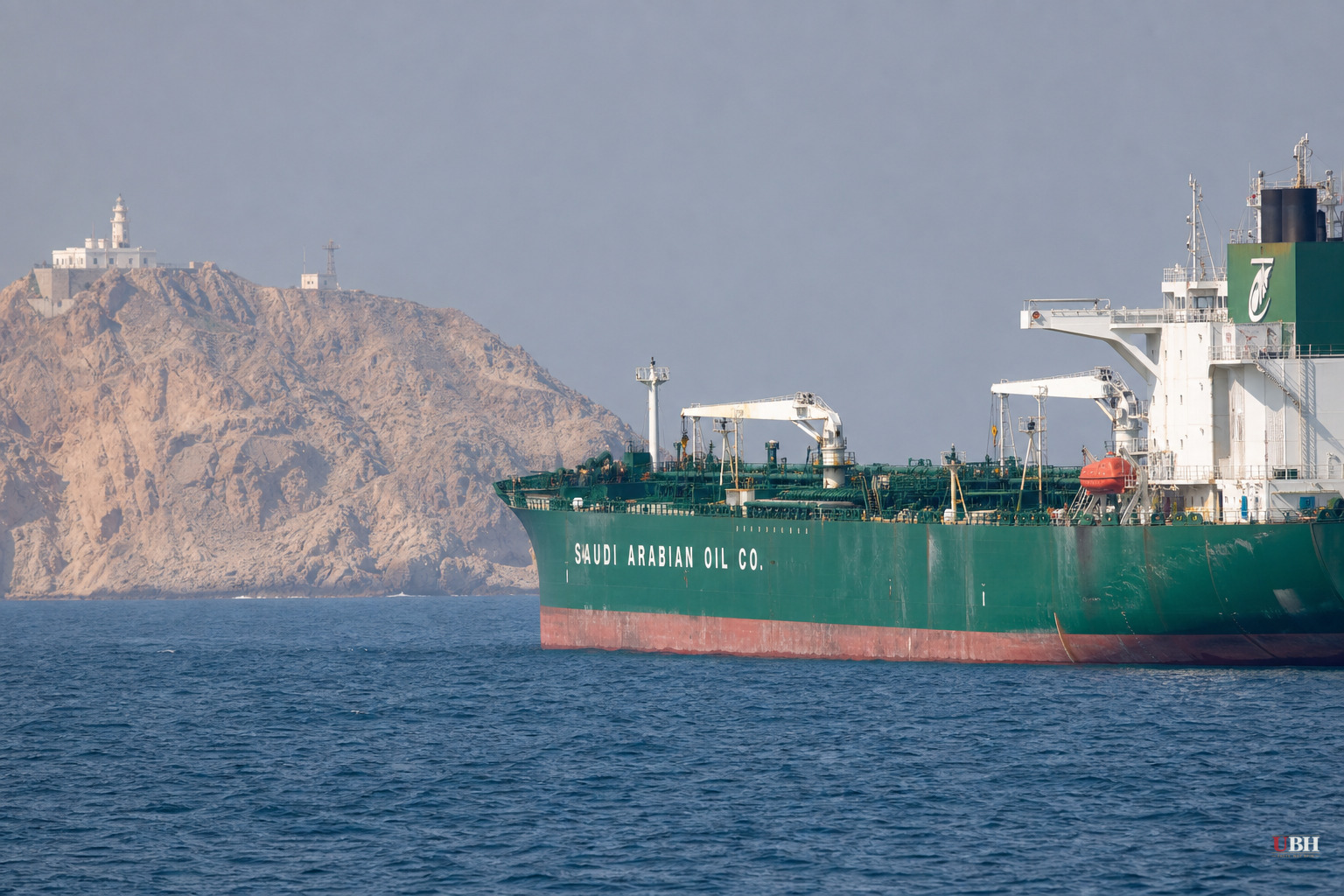
Since Yemen's Houthi movement declared a formal "maritime ban" on Saudi vessels on July 20, the Red Sea's Bab el-Mandeb Strait has gone from a functioning trade artery to a shipping lane most tankers now avoid outright.
Ship-tracking data reviewed by Reuters and reported by Breitbart showed six Saudi-flagged Very Large Crude Carriers, each capable of hauling two million barrels of oil, diverting away from the Gulf of Aden this week and heading around southern Africa instead. The tankers, empty after Asia deliveries, are now bound for ports like Durban, Algoa Bay, and Port Elizabeth. Two trade sources told Reuters the ships chose the longer route "taking into account the security situation." MarineTraffic confirmed none of the vessels went dark, meaning they kept their tracking transponders on the whole time.
The detour adds roughly 25 days to each voyage. For an industry that runs on tight scheduling and fuel-cost math, that is a significant inconvenience and a structural rerouting of Saudi oil logistics around a strait Riyadh can no longer guarantee is safe.
The Attacks Behind the Diversion
The blockade has teeth. On August 5, the Houthis' military spokesman Yahya Saree announced a missile strike on the Saudi oil tanker Wafa off Yanbu, according to the Epoch Times. Saree said on X that the group would "continue and escalate" targeting Saudi tankers in the northern Red Sea "to close all access points and prevent their passage," calling it a "blockade-for-blockade equation, regardless of the consequences." Saudi Arabia did not confirm the strike. The Epoch Times said its outreach to the Saudi Foreign Ministry went unanswered.
Days earlier, the toll turned deadly. Fox News reported that Houthi forces attacked the Egyptian-owned cargo ship Tihamah in Bab el-Mandeb, killing four crew members, three Pakistani nationals and one Indonesian, according to Yemeni and Pakistani officials. Yemen's Coast Guard said two additional Yemeni rescuers died when the Houthis struck again after rescue crews arrived on scene. Reuters reported these would be the first confirmed shipping deaths from a Houthi strike since the U.S.-Iran war began February 28.
Traffic data backs up the scale of the disruption. Al-Monitor and the Jerusalem Post, both citing Reuters and Kpler shipping data, reported that Bab el-Mandeb transits fell from 20 vessels in a single day to just one, a Bahamas-flagged dry bulk carrier, on August 6. The Strait of Hormuz saw a similar collapse, down to two vessels that day from roughly 130 to 140 daily transits before the February 28 war began. Crypto Briefing separately reported Yanbu port tanker traffic down more than a third since the blockade was declared.
Saudi Arabia's Pipeline Scramble
Aramco is not waiting around. Breitbart reported that CEO Amin Nasser told investors this week the company is examining how to expand its East-West Pipeline and identify new export routes that skip the Red Sea chokepoint entirely. Nasser said Aramco's engineering team is looking "not only" at expanding existing capacity "but at the same time" identifying other routes to capitalize on.
The pipeline already moves crude to Yanbu at its full capacity of 7 million barrels per day, according to Breitbart's reporting, which means that route is maxed out even as it remains a Houthi target. That leaves the Suez Canal and the Mediterranean as the only Red Sea corridor still functioning without direct attacks, though Fox News noted the Suez Canal and Egypt's SUMED pipeline form the northern end of the same corridor the Houthis are threatening from the south.
A Fractured Country, Not a Single Enemy
Fox News raised a sharp strategic point. Bab el-Mandeb is not Hormuz. Iran can threaten Hormuz shipping directly from its own coastline. In Yemen, Tehran's leverage runs through the Houthis, and Yemen itself is carved up among competing factions, including the Southern Transitional Council backed by the United Arab Emirates.
Amr Al Bidh, the STC's foreign affairs chief, told Fox News Digital that naval escorts cannot solve the underlying problem. "Naval presence protects individual ships," he said. "It does not take away Houthi launch sites, it does not interdict the smuggling routes that resupply them and it does not hold terrain." Nobel laureate Tawakkol Karman told Fox News Digital that only a restored, functioning Yemeni state, not outside naval power, offers a lasting fix.
That argument deserves to be taken seriously. Convoys and destroyers can shoot down missiles, as a UK Royal Navy destroyer reportedly did in one interception. They cannot dismantle a militia's coastal missile batteries sitting inside a country with no functioning central government to hold accountable.
What's Unresolved
The Houthis have floated, then partially disavowed, a scheme to charge ships for safe transit. Their Humanitarian Operations Coordination Center said any group demanding payment for passage "does not represent the Republic of Yemen or HOCC in any capacity whatsoever," per the Epoch Times, even as earlier reporting indicated Houthi representatives discussed a fee proposal with Iranian officials in Tehran in July. No timeline for such fees has been set. Saudi Arabia has not publicly confirmed any of the tanker strikes attributed to the Houthis, and whether Aramco's pipeline expansion can outpace the blockade before it does lasting damage to Saudi export volumes remains an open question.
Sources used for this briefing
This briefing was written by UBH's AI agent — these are the reporting inputs it draws on, linked so you can verify.


