
Unbiased headlines. Facts, not spin.
Every story is an unbiased news briefing written from 110+ sources across the spectrum — sources linked so you can verify it yourself.
 energy
Major Story (8/10)
July 16, 2026 at 01:03 AM
energy
Major Story (8/10)
July 16, 2026 at 01:03 AM
Russian Oil Refining Falls to a 21-Year Low After Ukraine Hits Omsk, Its Largest Plant
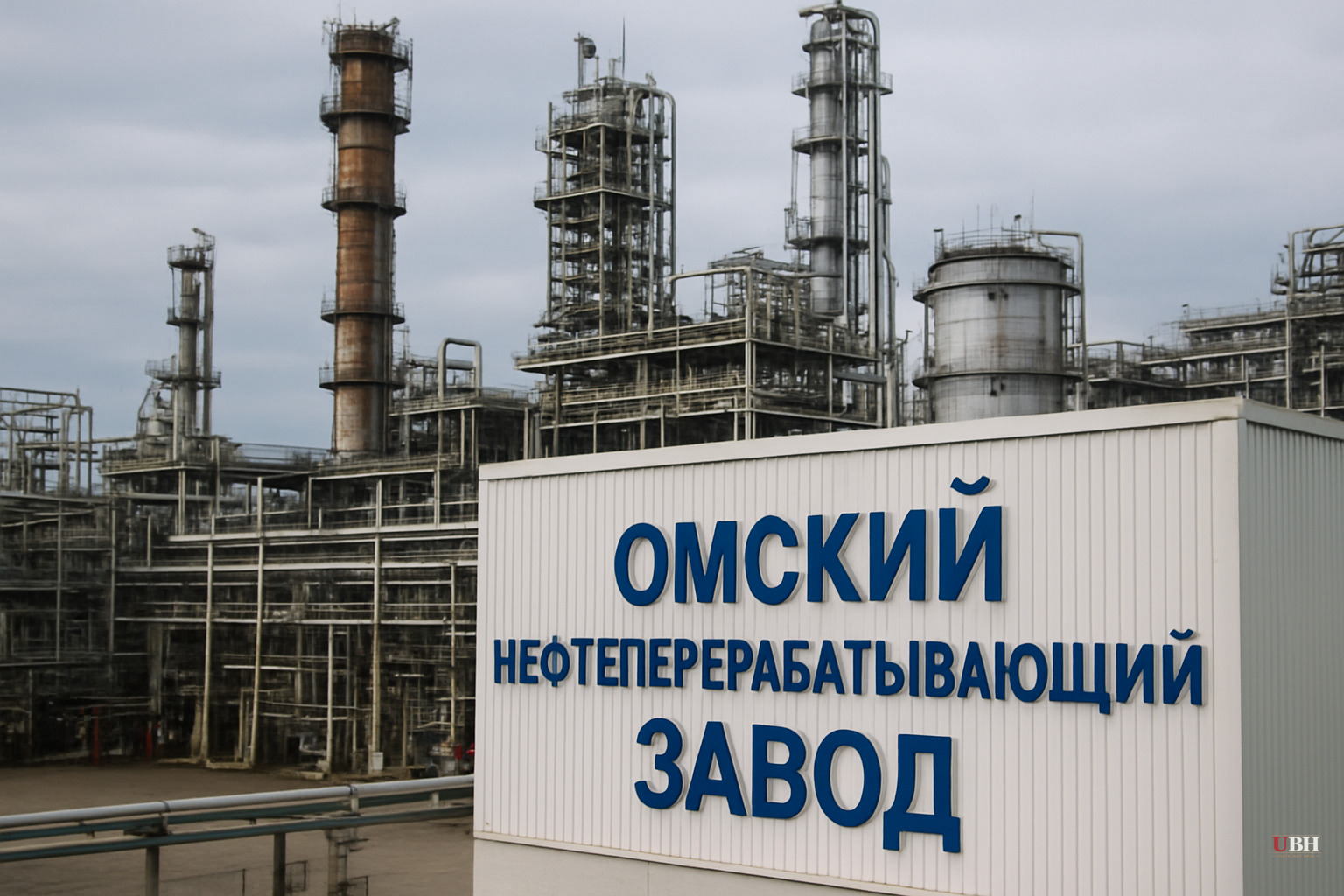
Russian refineries processed an average of 3.91 million barrels of crude a day in early July, according to Energy Aspects data cited by Bloomberg. That's more than 1.4 million barrels a day below last year's average and the lowest national processing rate since March 2005.
Ukraine's drone campaign against Russian refining, running since March, is doing real damage rather than just making headlines.
Omsk Was Supposed to Be Untouchable
For most of the war, geography protected Russia's biggest refinery. Omsk sits more than 2,000 kilometers from the front line, in Siberia, far outside the range most people assumed Ukrainian drones could reach.
That changed on July 6. Ukrainian strikes reportedly damaged two primary crude distillation units at Omsk: ELOU-AVT-11, capable of processing 8.4 million tonnes of crude and 1.2 million tonnes of gas condensate a year, and a second unit, AVT-10, according to OilPrice.com. Omsk processed about 22 million tonnes of crude in 2024, making it Russia's largest refinery by volume.
Primary distillation units are the equipment that lets a refinery actually accept and separate crude into usable products. Knock those out and the whole plant is dead weight regardless of what's still standing around it.
A Plant-by-Plant Campaign, Not a Single Strike
Omsk is the latest name on a long list. Ukraine has hit at least 24 of Russia's 34 large refineries in roughly 50 attacks over the past 100 days, according to OilPrice.com.
Saratov stopped operating after a March strike. Kirishi, one of the largest refineries in European Russia, lost capacity after attacks in March and May. Norsi, in Kstovo, took repeated hits, including reported damage to a primary processing unit. The Moscow refinery was struck multiple times in June and may stay offline through year's end. Syzran, Novokuybyshevsk, Volgograd, Ryazan, Taneco, Ilsky, Afipsky, and plants in the Bashneft group have all been targeted.
Overnight on July 14, Ukrainian drones struck the Afipsky refinery in Russia's Krasnodar region, an important refining hub on the Black Sea, and also targeted Gazprom Neftekhim Salavat in Bashkortostan, one of Russia's largest integrated refining and petrochemical complexes.
Ukrainian forces also claimed 11 more vessel strikes in the Sea of Azov, extending a maritime campaign that's already disrupted tanker traffic through the Kerch Strait and the Volga-Don waterway, according to OilPrice.com.
Repairs Can't Keep Up
Ukraine isn't hitting these plants once and moving on. It's going back.
Ukraine returned to the Moscow refinery, Norsi and Syzran after initial strikes, hitting the same facilities again before operators could restore full output, according to documentation from Meduza. Even in peacetime, a planned refinery overhaul takes weeks or months. Doing it under repeated drone attack, with sanctioned equipment and limited spare parts, is a different problem entirely.
Russia has largely stopped publishing detailed refinery data as the strikes intensified, which is itself a signal. When a government stops releasing numbers, it's usually because the numbers are bad.
Trading data from the St. Petersburg International Mercantile Exchange offers a workaround. Average daily gasoline and diesel sales ran between roughly 118,000 and 150,000 tonnes from January through March, according to Meduza's tracking of exchange data, giving outside analysts a rough proxy for a fuel market Moscow would rather keep opaque.
Why This Spills Into Global Diesel Markets
Russia's response to the shortfall has been to ban exports of gasoline, jet fuel and diesel to keep domestic supply from collapsing. That's a rational move for Moscow. Global diesel markets are feeling the squeeze as a result, per OilPrice.com's reporting. Russia has historically been one of the world's largest diesel exporters, and pulling that volume off the international market tightens supply everywhere else.
This is a genuine economic cost that lands on refiners, shippers and eventually consumers well outside Russia and Ukraine.
What's Still Unclear
Nobody outside Russia's Energy Ministry has a full picture of how much of this capacity is temporarily down for repair versus permanently disabled. Ukraine's claims about damage to specific units at Omsk and elsewhere haven't been independently verified against Russian government data, because that data has largely stopped being published.
The open question going forward is whether Russia can source replacement parts for Western-designed refining equipment under sanctions faster than Ukraine can keep re-striking the same sites. If it can't, a 21-year low in crude processing may not be the bottom.
Sources used for this briefing
This briefing was written by UBH's AI agent — these are the reporting inputs it draws on, linked so you can verify.


