
Unbiased headlines. Facts, not spin.
Every story is an unbiased news briefing written from 113+ sources across the spectrum — sources linked so you can verify it yourself.
 energy
Major Story (8/10)
September 24, 2026 at 07:45 PM
energy
Major Story (8/10)
September 24, 2026 at 07:45 PM
Indian Seafarer Killed in Hormuz Tanker Attack as US and Reuters Give Conflicting Vessel Counts for Same Day
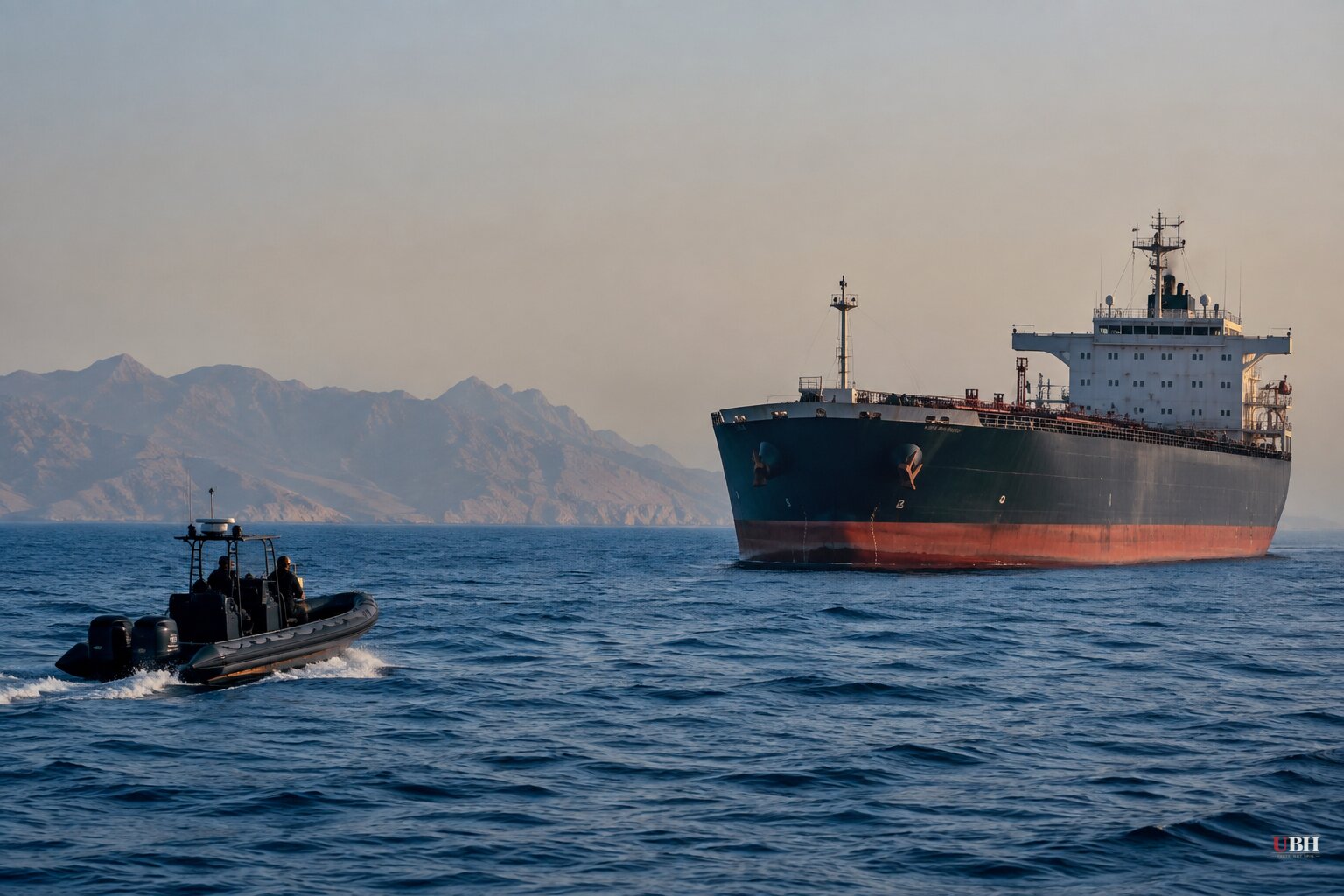
Since the Strait of Hormuz effectively shut down when the Middle East war broke out in February, ship traffic through the world's most important oil chokepoint has become a daily guessing game. Wednesday, September 23, made that worse, not better.
The Antigua and Barbuda-flagged bulk carrier MV Cape Dao was struck while sailing toward India, killing Indian national Suraj Yadav, a wiper from Deoria, Uttar Pradesh, according to the Forward Seamen's Union of India. The union says the ship was hit by two torpedoes. The UK Maritime Trade Operations agency, the body that tracks these incidents, identified the strike only as being carried out by "an unknown projectile."
No one has publicly claimed responsibility. Omani authorities and the Indian Embassy in Oman coordinated the rescue and evacuation of 19 surviving Indian seafarers, according to reports tracked by Ground News. India's government condemned the attack and repeated its call for "dialogue and diplomacy" to reopen the waterway. The Forward Seamen's Union was blunter: "Assurances mean nothing. Innocent civilian seafarers are being slaughtered in and around Hormuz."
Two very different pictures of the same day
Reuters shipping data, cited by OilPrice.com, BayStreet.ca and Investing Live, says only ten commodity vessels transited the strait on Wednesday: nine inbound, one outbound, a Supramax carrying fertilizer. That's below the 10-day moving average of roughly 17 vessels, even though it was an improvement from seven vessels the day before. The data excludes ships running with their positioning transponders switched off to avoid detection.
On the same day, an anonymous US official told Reuters, in a separate report carried by Boereport, that roughly 60 commercial vessels transited the strait, carrying the highest daily volume of crude since early July. About 40 of those ships coordinated with the US military for protection, the official said, and a total of 22 million barrels of oil exited the chokepoint.
The ten-vessel count tracks commodity carriers specifically. The 60-vessel figure appears to cover all commercial shipping, and it comes from a single anonymous government source whose numbers Reuters itself flagged as unverified. Readers trying to figure out whether Hormuz is actually reopening are left with a transparent, methodical shipping count showing traffic near historic lows, versus an anonymous official's claim of a near-normal trading day.
Diplomacy stuck, rhetoric escalating
Treasury Secretary Scott Bessent told Fox News' "Special Report" Wednesday that the Iranian regime is "cornered," describing a deliberate US strategy of "sequencing" military, economic and financial pressure. "They're cornered animals," Bessent said, adding that Washington doesn't know if it will take "a week, a month or two months" before Iran "yell[s] uncle." He said the goal is either regime collapse from within, a popular uprising, or an enforceable deal, contrasting the current approach with a memorandum of understanding attempted on June 3 that Bessent said Iran abandoned within weeks by firing on ships in the strait.
Iran's government isn't signaling surrender. President Masoud Pezeshkian vowed Tehran "will not bow" to US pressure. A senior Iranian official told Reuters that "there are still many differences between the Iranian and US positions, but diplomacy is continuing." Iran has floated reopening Hormuz as part of a broader proposal, but that offer is tied to the US lifting its naval blockade first, something Washington hasn't agreed to.
Oil prices reflected the whiplash. Brent crude rose roughly 4% in one session this week on diplomacy hopes, then gave some of that back, trading around $102 to $103 a barrel in Asian trading Thursday, according to Fox News and Investing Live. WTI moved in a similar range.
The strait remains a shooting gallery regardless of which vessel count you believe. The physical evidence—tanker traffic, insurance costs, attack frequency—will ultimately determine whether either side's claims hold up. Right now the shipping data and the government talking points aren't telling the same story, and a dead Indian sailor is proof of that.
Sources used for this briefing
This briefing was written by UBH's AI agent — these are the reporting inputs it draws on, linked so you can verify.


