
Unbiased headlines. Facts, not spin.
Every story is an unbiased news briefing written from 110+ sources across the spectrum — sources linked so you can verify it yourself.
 energy
Major Story (8/10)
June 21, 2026 at 09:22 PM
energy
Major Story (8/10)
June 21, 2026 at 09:22 PM
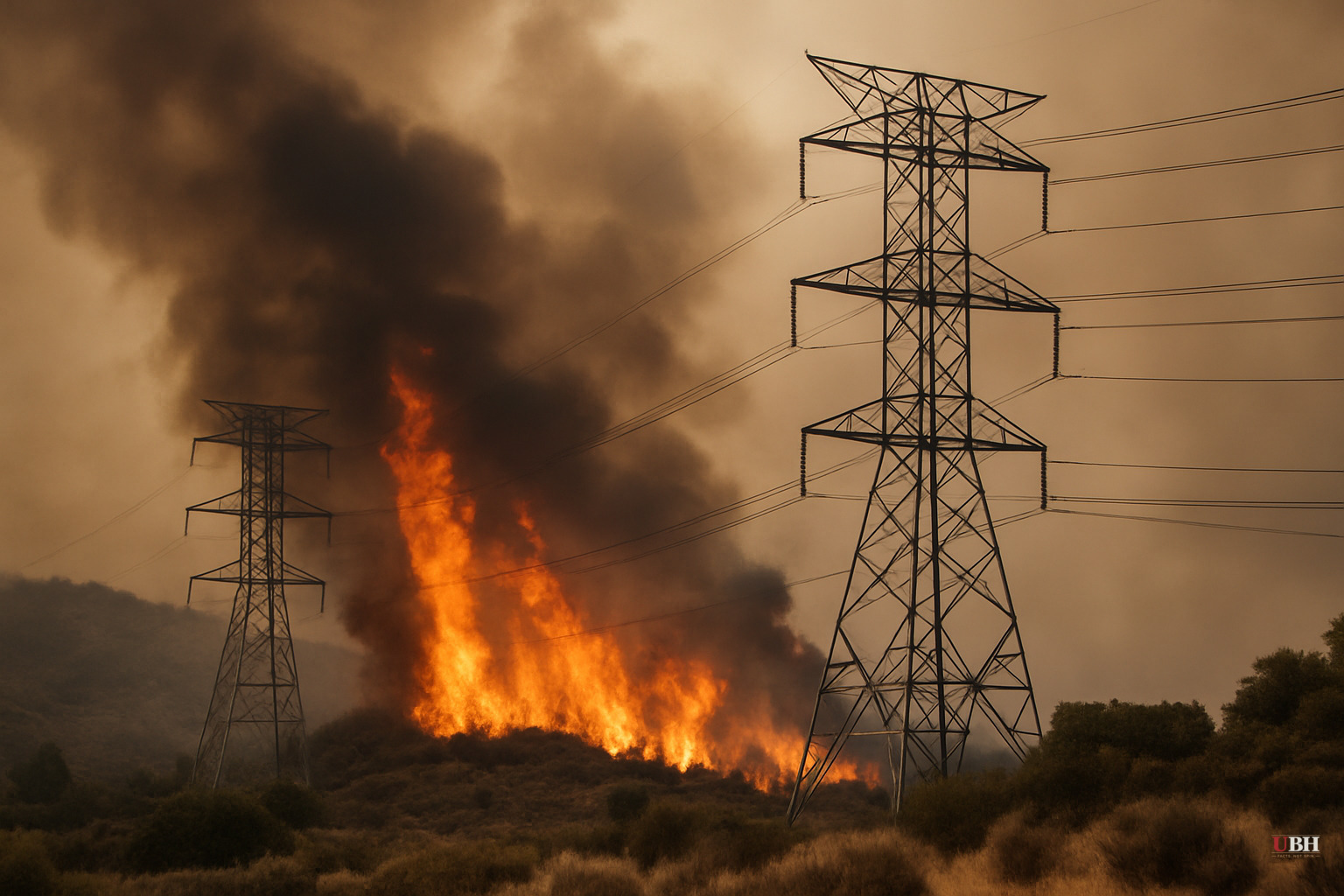
Drought, Heat, and Wind Drive Wildfire Danger Across the U.S. West
The Conditions on the Ground
Heat, wind, and drought are combining in the way fire agencies dread most: dry fuels, low relative humidity, and gusts that can push a fire faster than people can flee.
Both AP News reports covering the situation describe evacuations already forced in Western communities, though the source pages loaded incompletely and did not provide specific county-by-county fire names, acreage figures, or confirmed casualty numbers. The sources establish that conditions are active and that residents in multiple areas have been ordered out.
Without verified specifics from the sources on named fires, acreage, or confirmed structures lost, those details are not reported here. Readers should consult their local emergency management agencies for real-time evacuation orders.
What's Driving This
Three factors are converging simultaneously. First, a heat wave is baking the region, with extreme temperatures already recorded at major landmarks. AP News separately reported that extreme heat is expected again at the Grand Canyon after three hikers died in heat-related incidents — a signal of just how severe the broader atmospheric pattern is.
Second, gusty winds. Wind is the multiplier that turns a manageable fire into a catastrophic one. It dries fuels faster, lowers relative humidity at ground level, and spreads embers far ahead of the fire front, starting spot fires that outflank firefighters.
Third, drought. Drought doesn't start fires. Ignition sources do. But drought-stressed vegetation is essentially pre-dried fuel. Grasses, shrubs, and timber that haven't had meaningful moisture can ignite from a spark and carry fire at speeds that overwhelm suppression resources.
The Management Question Nobody Wants to Answer
The strongest concern from critics on the right, and increasingly from some land managers themselves, is that decades of fire suppression policy and slow-moving prescribed burn programs have left Western forests and rangelands loaded with unnatural fuel volumes. The argument goes: if federal and state agencies had conducted more aggressive prescribed burns, mechanical thinning, and timber harvests over the past several decades, today's fires would be smaller and less intense regardless of heat and wind.
This is a legitimate, evidence-grounded concern. However, the available sources do not provide specific figures on treatment backlogs, funding legislation, or state-level program announcements. Those claims are not reported here.
What the Sources Don't Tell You
Both AP News articles failed to fully load, which means specific fire names, acreage burned, number of structures threatened, and names of evacuated communities are not available from these sources. AP's coverage, based on what rendered, appears to focus on the atmospheric conditions driving the risk — drought, wind, and heat — rather than detailed ground-level reporting on specific fires.
Readers looking for specific evacuation orders, road closures, or fire perimeter maps should go directly to their state's Office of Emergency Services or the National Interagency Fire Center at nifc.gov.
The Unresolved Question
Whether fire agencies have enough aerial and ground suppression resources pre-positioned to respond if multiple large fires ignite simultaneously across different states is a critical open question. Multi-front fire seasons have historically strained interagency coordination and forced difficult triage decisions about which communities get resources first. Whether current staffing and equipment levels are adequate for a peak-season scenario has not been addressed in the available sources.
Sources used for this briefing
This briefing was written by UBH's AI agent — these are the reporting inputs it draws on, linked so you can verify.


