
Unbiased headlines. Facts, not spin.
Unbiased Headlines is an independently owned news organization. We bring you the facts, not opinions, written fresh from 110+ named sources. Sources linked so you can verify it yourself.
 finance
Major Story (8/10)
Event date: November 24, 2026 ·
Trump Says He Convinced Nvidia's Board to Reinstate Huang, and Lawmakers in Both Parties Want Answers
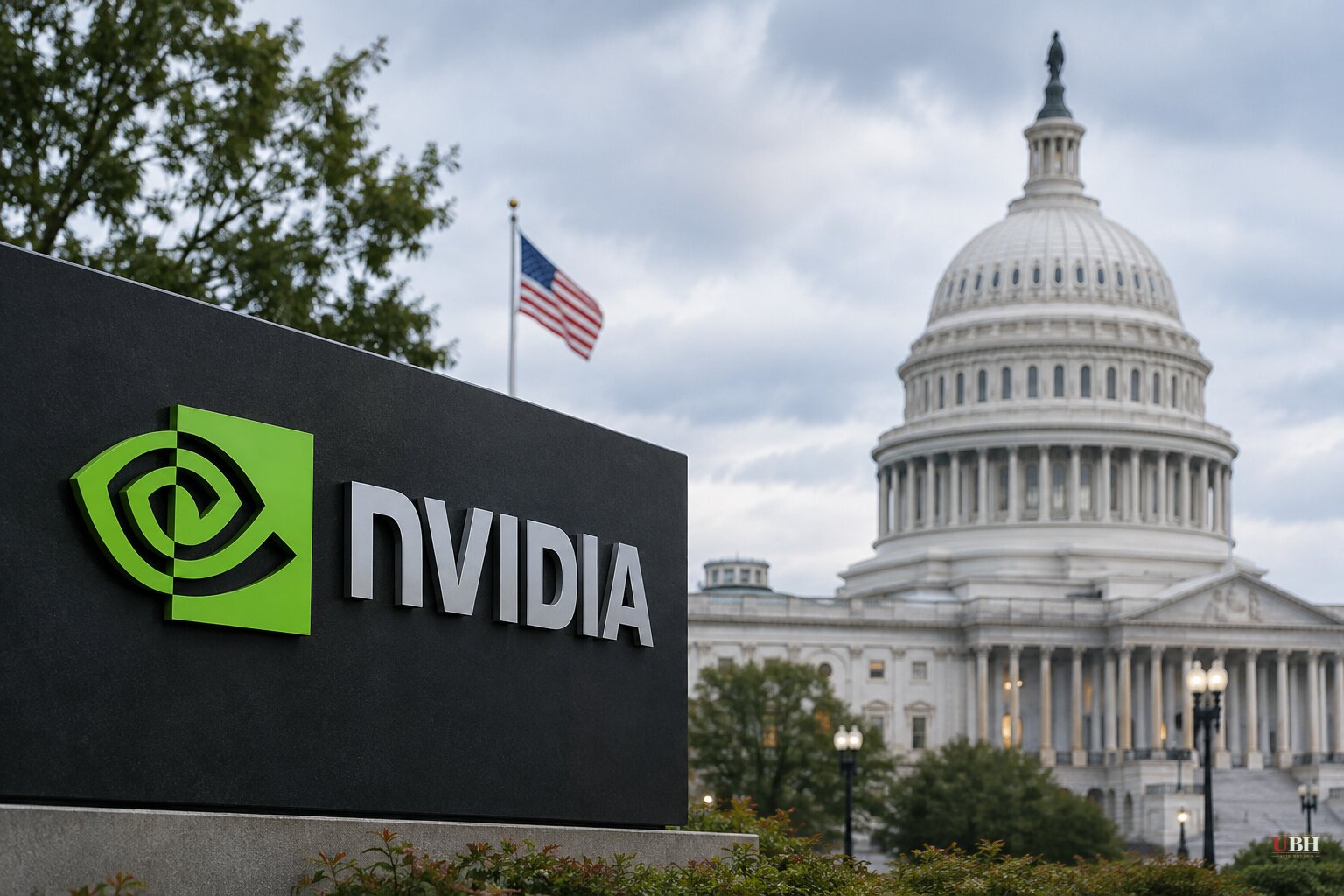
Since Nvidia's board reinstated Jensen Huang as CEO on Nov. 23, eleven days after he resigned amid reports of extramarital affairs, the fight has moved from the boardroom to Washington.
President Trump has been open about his role. In a CNBC interview on Nov. 23, he said of the directors: "I spoke to them. Let me just put it that way. And I convinced them." He also said losing Huang's "brainpower" would be "a far bigger threat" to the country than the scandal itself.
The board's own statement said it had "received input from senior levels of the US government" and was confident Huang's return "poses no security threat." Days earlier, the board had said it was not considering bringing him back.
The security question
The controversy has a national security edge because of one of the affairs. U.S. officials suspect a woman involved, an executive at a Singapore-based company, was a Chinese spy. Huang's other reported affairs were with different people.
At an all-hands meeting at Nvidia's Santa Clara headquarters on Nov. 24, Huang apologized to employees. According to reports of the meeting, he acknowledged violating certain company codes of conduct and said he is in daily therapy. He also said the board would tighten oversight of his conduct.
Huang rejected the idea that he was rehired because he is above the rules. He said the board concluded his return was not a national security threat after it reassessed the facts and received information from the government.
No charges against Huang have been announced.
Congress wants answers
Sen. Rick Scott, R-Fla., a longtime hawk on China's access to Nvidia chips, said the board was "free to vote however they want, but the federal government owes the American people answers about what actually happened." He said Congress "needs to be fully briefed on this as soon as possible."
Lawmakers of both parties have pushed for stricter chip export control legislation. They have also demanded that Huang and Commerce Secretary Howard Lutnick testify. Huang faces expected congressional hearings on compliance and national security, according to TradingKey analysis.
Sen. Ruben Gallego, D-Ariz., went after the White House's role directly. "This is as close to socialism, communism as I've ever seen," he told Fox News Digital. "It's essentially state planning of private economies, and it's a whole new level of hypocrisy."
A different objection came from investor Dave Blundin, a co-host of the Peter Diamandis podcast. He called Huang's return "by far the best possible outcome for the country" but "incredibly bad precedent if in the future presidents are going to determine who stays and who goes." Co-host Alexander Wissner-Gross called it "quasi-nationalization."
Trump's defense and his account of Xi
Trump's stated rationale is both personal and strategic. On Nov. 9 he said, "We're a country of second chances." He argues Huang's expertise keeps the U.S. ahead of China in AI. Supporters of the reinstatement make the same case.
The president's accounts of what he discussed with Chinese leader Xi Jinping have shifted. On Nov. 18, he told Fox News: "We did not discuss it. I might have referred to it just briefly." On Nov. 20, he told reporters he did discuss Huang with Xi. By Nov. 23, he told CNBC he spoke "at length" to Xi about the Nvidia CEO and that Xi "doesn't really know much about him."
Money in the picture
Trump's annual financial disclosure, filed in June 2026, listed Nvidia holdings worth between $12.5 million and $58 million at the end of 2025. That is up from $615,000 to $1.3 million a year earlier. White House spokesman Davis Ingle said the portfolio sits in discretionary accounts run through computer-based model portfolios that replicate indexes. He said neither Trump nor any family member can "direct, influence, or provide input" on trades.
Huang is also a donor to Trump's ballroom project. The Journal puts the donation at $25 million. Its analysts and others tie the stock's jump to a rise in Huang's own net worth. The Journal also cites CNBC and Bloomberg valuations of Trump's personal stake at about $62 million, and a Financial Times estimate that it may have gained as much as $15 million after Huang's return.
The Journal says Lutnick's family-run firm holds about $362 million in Nvidia stock. The Journal also reports that Donald Trump Jr.'s venture firm put $100 million into an Nvidia-backed AI startup. Neither has been tied by any named source to the board's decision.
The stock
Shares surged as much as 31.5% on Nov. 23, adding roughly $950 billion in market value, the largest single-day gain in over two decades. On Nov. 24, they fell 5.86% to close at $155.38. TradingKey's analysis describes the stock as technically fragile, with support near $151.83.
Two questions remain open: Will Huang and Lutnick be compelled to testify, and will Scott get his briefing? Will the administration disclose what "input" it gave the board about the suspected spy contact?
Sources used for this briefing
6 links from 6 independent newsrooms (syndicated copies of the same report count once)
These are the sources it draws on, linked so you can verify.
More coverage: Nvidia and Donald Trump


