
Unbiased headlines. Facts, not spin.
Unbiased Headlines is an independently owned news organization. We bring you the facts, not opinions, written fresh from 110+ named sources. Sources linked so you can verify it yourself.
 finance
Major Story (8/10)
FBI Gets Court Authority to Seize $1.2 Billion of Stolen Binance Crypto as Launderers Push Funds Through THORChain
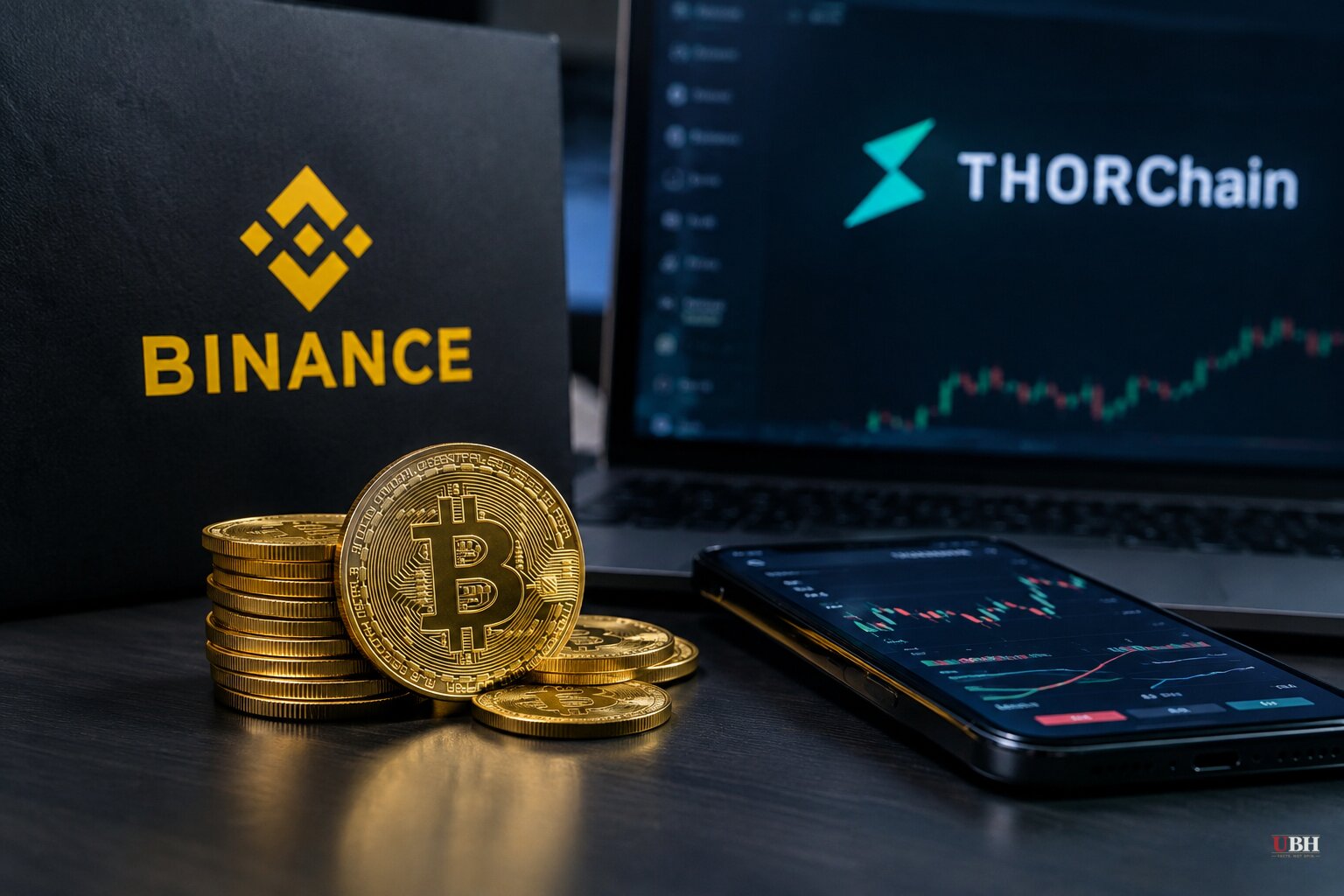
Since the Oct. 29 theft of about $6.3 billion from Binance, which the FBI attributed to North Korea's TraderTraitor group two days later, the fight over the money has split into two tracks: the government is locking funds down while the launderers are pushing them through whatever services will take them.
On Thursday, Nov. 26, the FBI said it had seized more than $1.2 billion of the stolen cryptocurrency. The Justice Department said it has obtained court authorization to seize or restrain that amount, out of more than $2.7 billion that the U.S. government and private sector have frozen so far.
The frozen total varies by account. Token issuers have frozen about $2.85 billion, according to blockchain researchers, which would leave the rest in circulation.
What happens next is a forfeiture process. In cases like this, the government typically files a claim of forfeiture with a judge, who then decides who has a legitimate claim to the recovered funds.
Where the rest of the money is going
Blockchain analytics firms Chainalysis and Elliptic say the launderers have stepped up activity in recent days, with tens of thousands of transactions spread across different blockchains and crypto services.
More than $600 million of the stolen crypto has passed through THORChain, a decentralized exchange that lets users swap tokens across blockchains, the two firms estimate. Elliptic cautioned that the figure may include funds that went through more than once.
Separately, Elliptic says $342 million has moved through a coinjoin service, which combines coins from many sources into a single transaction so the origin is no longer visible. Elliptic says most of that was coordinated by a pseudonymous figure called Kruw.
TRM Labs estimates THORChain generated as much as $1 million in fees from swaps of funds derived from the hack.
The THORChain argument
The FBI named THORChain's operators directly. On Oct. 31 it published a list of wallet addresses used by the attacker and called on crypto service providers, including the network of computers that controls THORChain, to block them.
Ari Redbord, global head of policy at TRM Labs, called that call-out "pretty extraordinary." He said: "I'm not sure I've seen this happen very often, where the FBI will call out a specific service in this way."
THORChain's website says it does not "censor" transactions or run Know-Your-Customer checks. It describes itself as "Financial Freedom The Cypherpunk Way."
Co-founder Chad Barraford answered in a video posted to THORChain's X account on Thursday. He said 98 percent of trading on the platform is for people's "own individual financial freedom and liberty," and that if THORChain were shut down, criminals would find somewhere else to exchange crypto.
THORChain did not respond to an emailed request for comment.
Barraford's argument sits against a plain fact: the FBI asked, by name, and the funds kept moving. THORChain describes itself as decentralized.
Moving is not the same as cashing out
Routing tokens through a swap protocol or mixer does not turn them into spendable money. Elliptic says the launderers will still need intermediaries, such as over-the-counter brokers, to convert the funds into cash.
Redbord said the process could take months or even years. But the stakes for Pyongyang are large. The $6.3 billion theft equals roughly one-sixth of North Korea's estimated gross domestic product, and Redbord said that cashing out even a fraction of the stolen funds would be a windfall. "They don't have to get a lot off in order to make this all worthwhile for them," he said.
North Korea denies involvement in the Binance hack.
A second North Korea scheme
Also on Thursday, the FBI blamed North Korea for a separate social-engineering operation known as FaceStealer. Officials say it cost victims $400 million in cryptocurrency over the past 18 months. The scheme combines hijacked messaging apps with deepfake video recordings.
U.S. officials have repeatedly accused North Korea of using cyber operations to raise money for the regime, including its illicit weapons program.
The open questions are procedural and practical. A judge must still sort out claims on the $1.2 billion the government has moved to seize, and billions more sit in wallets that are either frozen, circulating, or somewhere between the two.
Sources used for this briefing
7 links from 7 independent newsrooms (syndicated copies of the same report count once)
These are the sources it draws on, linked so you can verify.
More coverage: Crypto


