
Unbiased headlines. Facts, not spin.
Unbiased Headlines is an independently owned news organization. We bring you the facts, not opinions, written fresh from 110+ named sources. Sources linked so you can verify it yourself.
 finance
Notable (6/10)
FINMA Calls UBS Resolution Plan Executable as Lower House Committee Backs 90% Capital Rule for Foreign Units
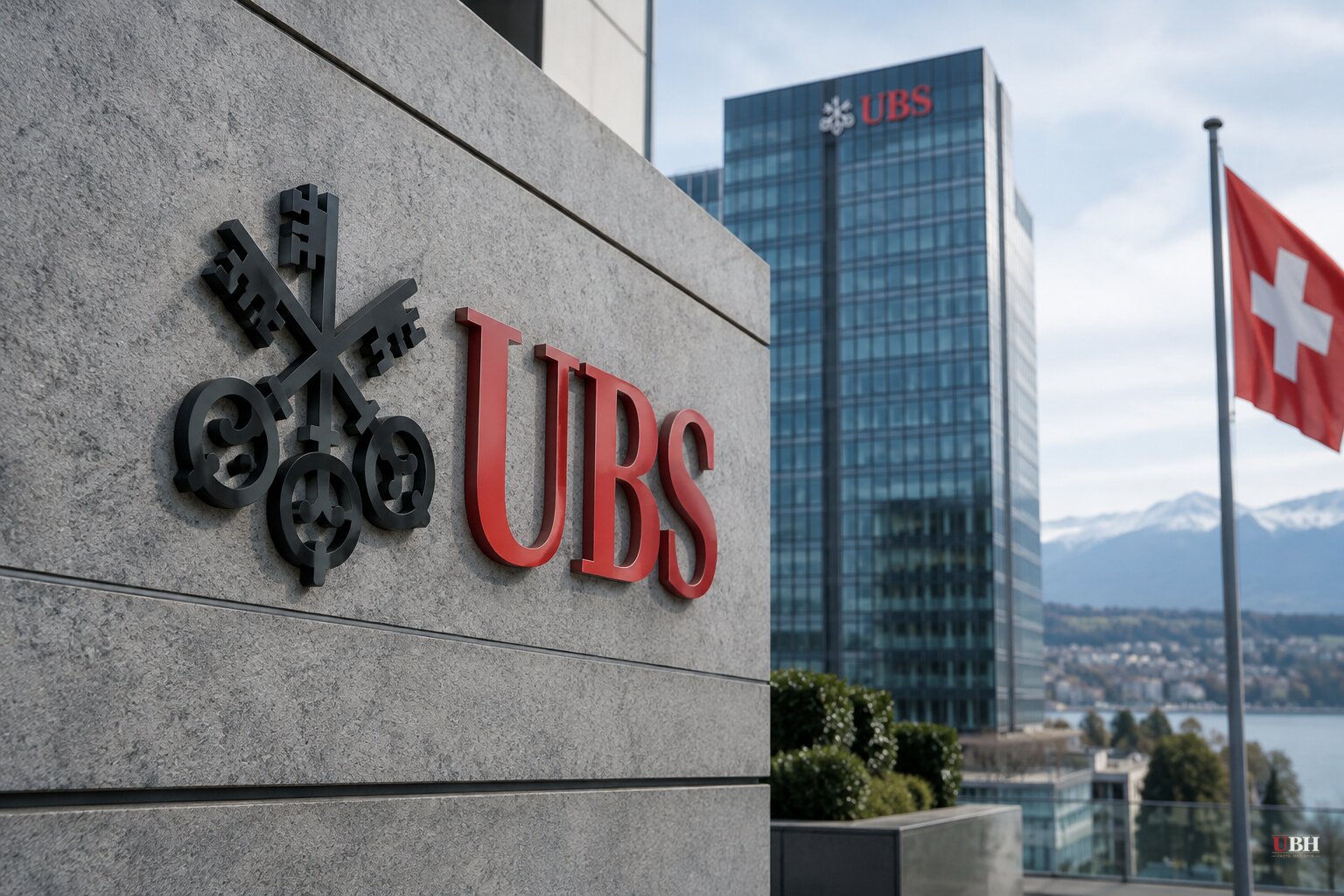
Since UBS absorbed Credit Suisse in a 2023 emergency deal, Swiss authorities have been working out how much capital the country's only global systemically important bank must hold so taxpayers are never asked to rescue it again. This week produced two developments that point in different directions.
FINMA signs off on the recovery plan
On Wednesday, Nov. 25, FINMA, the Swiss markets regulator, said UBS's ability to fail safely has improved since the Credit Suisse integration. It said progress has been made on group-wide resolution planning.
FINMA called the bank's preferred resolution strategy "executable." That strategy relies on recapitalizing and restructuring the bank using loss-absorbing bail-in bonds. The regulator also formally approved UBS's recovery plan, the first such approval since the integration.
FINMA stated the goal plainly: to avoid government solvency support and emergency law. In its words, the aim is "to enable the authorities, in the event of a crisis, to choose the option that offers the best prospects of success in safeguarding financial stability and ensuring the continuation of systemically important functions."
The approval is qualified. FINMA described the strategy as executable in principle, not as a finished guarantee.
The 90% number
The day before, on Tuesday, Nov. 24, the National Council's economics committee (WAK-N) backed a plan requiring UBS to support its foreign subsidiaries with 90% common equity tier 1 capital. The Council of States, the upper house, approved the same 90% figure in September.
The Swiss government originally proposed 100%. UBS wants a ceiling of no more than 50%.
The Swiss Bankers Association says UBS currently has to cover 45% of its foreign holdings with CET1. A 90% requirement would double that.
Committee vice president Paolo Pamini was quoted as saying the decision opens a path to a swift resolution of the capital question, after the upper house already supported the measure.
What UBS and the banking lobby say
UBS says the 90% requirement would force it to hold roughly $16 billion in additional capital. It argues the measures are disproportionate and would damage its international competitiveness.
In a statement after the committee vote, the bank said the recommendation "would result in a further excessive tightening of Swiss capital requirements, which are already among the most stringent globally."
CEO Sergio Ermotti told CNBC on Oct. 28 that 90% would not let UBS be a "competitive player" over the long term. He declined to be drawn on speculation that the rules could push the bank to move out of Switzerland.
The Swiss Bankers Association went further. It said a 90% requirement "would constitute a special regulatory measure that goes far beyond international standards" and would "weaken the competitiveness of the Swiss financial center, with consequences for the real economy." It called the figure "an enormous 'Swiss finish'" and said the burden would not be limited to one bank. According to the SBA, it would hit the whole financial center, plus businesses and customers.
The taxpayer question
The government and lawmakers pushing for higher capital point to 2023. UBS is now larger after the Credit Suisse deal, and their concern is that the enlarged bank could be too big for Swiss taxpayers to rescue in a crisis. Extra loss-absorbing capital held against foreign subsidiaries is meant to cut that risk.
That is the trade-off at the center of the dispute: protecting the public purse from another bailout against the cost of making a global bank hold more capital than its international peers.
FINMA's approval of the recovery plan and the push for higher capital do not cancel each other out. The regulator is assessing whether the resolution strategy can work. Parliament is deciding how much capital should sit behind the foreign units in the first place.
What comes next
The National Council is scheduled to debate the proposal on Dec. 16. With the upper house and the lower house's committee both at 90%, UBS faces a vote where the figure it opposes is the one with momentum behind it.
Whether the full lower house follows its committee, and whether UBS acts on its warnings about competitiveness, will start to become clear in that debate.
Sources used for this briefing
7 links from 6 independent newsrooms (syndicated copies of the same report count once)
These are the sources it draws on, linked so you can verify.


