
Crypto

Cryptocurrency news — bitcoin, ethereum, regulation, and adoption — from balanced sources.

95 articles shownof 95 totalLast updated 2026-08-08 03:20 UTC

Crypto Companies Bet AI Agents, Not Humans, Will Be Their Next Customers

Coinbase, Kraken and Circle are rebuilding products so AI agents can hold wallets, trade and pay each other without a human clicking a button. The pitch is that crypto finally has a natural, technical use case instead of a marketing pitch to humans who never bought in. Whether AI agents actually need a permissionless blockchain over faster traditional infrastructure is still unproven.

Warren Demands Answers From Lutnick on UAE Chip Access After Trump Crypto Deal

Elizabeth Warren wants Commerce Secretary Howard Lutnick to explain why the UAE got easier access to advanced U.S. chip technology weeks after UAE-linked entities poured $500 million into Trump's family crypto venture. No evidence has surfaced that one caused the other, but the timeline alone deserves scrutiny.

New IRS Form 1099-DA Means Crypto Investors Can No Longer Hide Unreported Gains

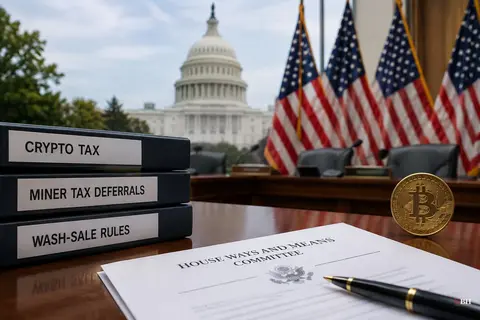
Crypto brokers now have to report your transactions to the IRS on a new form, Form 1099-DA, covering trades made since January 1, 2025. Studies show barely a third to half of crypto holders have been reporting taxes correctly, and that free ride is ending fast. If you've been sloppy with your crypto taxes, the IRS is about to have the receipts.

Coldcard Hardware Wallets Hit by $130 Million Bitcoin Theft Tied to 2021 Firmware Bug

A five-year-old firmware bug in Coinkite's Coldcard hardware wallet let attackers predict supposedly random seed phrases, and at least 15 different hackers have swept roughly 2,055 BTC, worth about $130 million, from more than 7,700 addresses. Coinkite has patched the bug, but the fix does nothing for wallets that already generated a compromised seed, so anyone who hasn't moved their coins is still exposed.

Coldcard Firmware Bug Drains Nearly 1,367 Bitcoin, CZ Tells Holders to Split Their Wallets

A firmware flaw dating back to March 2021 let an attacker rebuild private keys for old Coldcard Mk3 wallets without ever touching the devices. Losses have climbed in three separate waves since Thursday, July 30, and now sit near 1,367 BTC, roughly $89 million. Binance founder Changpeng Zhao says spread your coins across multiple wallets because 'nothing is 100%,' and the data backs him up.

Schumer Proposes New Federal Anti-Corruption Bureau, Cites Trump's $2 Billion in Crypto Earnings

Chuck Schumer introduced a bill to create a new federal agency with subpoena power to investigate executive branch corruption, naming Trump's crypto ventures as the trigger. The bill would merge three existing ethics watchdogs, let citizens sue to recover allegedly stolen public funds, and keep functioning after Trump leaves office. It has zero Republican co-sponsors and no path through a GOP-controlled Congress.

Jersey Mike's IPO Books 10x Oversubscribed, With a Crypto Exchange Offering Stablecoin Payment

Jersey Mike's is set to price a New York Stock Exchange listing that's already more than 10 times oversubscribed, targeting a roughly $7.3 billion valuation. Most of the money raised won't go to the sandwich chain at all, it'll go straight into Blackstone's pocket, and a crypto exchange is now letting users buy in with stablecoins.

Brazil Now Hosts at Least 22 Crypto ETFs While the SEC Still Slow-Walks Solana and XRP Funds

Brazil's B3 exchange has built one of the world's most diverse crypto ETF markets, with at least 22 funds listed and more coming. While Washington spent years arguing over a single spot Bitcoin ETF, Brazil's regulator approved the world's first Solana and XRP ETFs. That gap says a lot about who's actually leading on crypto regulation.

Treasury Sanctions Istanbul Fintech Zedpay Over Ties to Iranian Financier Babak Zanjani's Crypto Network

The US Treasury hit Istanbul-based Zedpay Financial Systems and its Iranian chairman Mehdi Rezazadeh with sanctions Friday, alleging the fintech plugged into a UK-registered crypto exchange used to move money for Iran's regime. It's the second round targeting financier Babak Zanjani's network since January, and it lands alongside a separate $15 million bounty on an Iranian missile-parts firm.

Nearly Half of Crypto Investors Say They're In It for Diversification, Urban Institute Survey Finds

A new Urban Institute survey of over 3,000 U.S. adults found 45% of crypto owners hold it to diversify their portfolio, not because they think it'll replace the dollar. Financial advisors say that's a maturing rationale, but crypto still won't do the job if you buy it wrong.

Crypto Traders Value Chinese Chipmaker CXMT at Up to $535 Billion, Five Times Its Official Shanghai IPO Price

A crypto derivatives platform is letting traders bet on ChangXin Memory Technologies days before its actual Shanghai listing, and the implied price tag dwarfs what the company is actually selling shares for. It's a workaround for foreigners locked out of China's market, not a real valuation, and nobody should confuse the two.

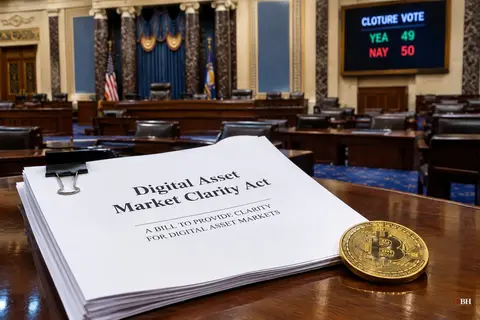
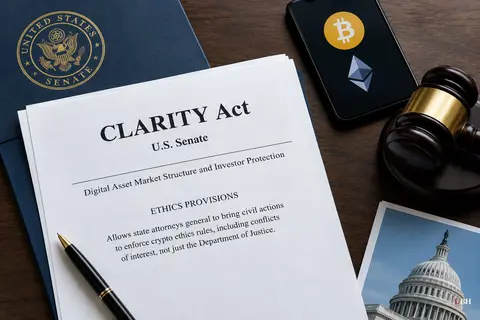
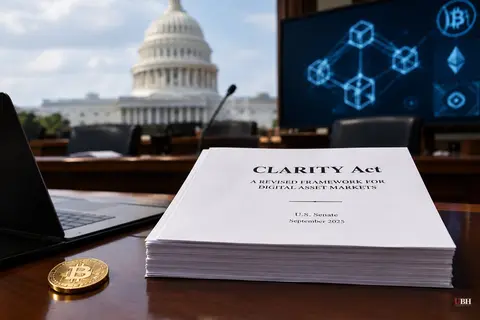
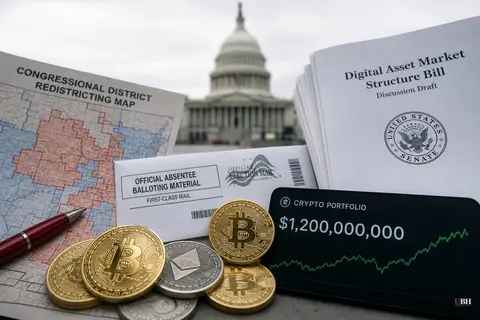
Senate's Latest Crypto Bill Draft Would Bar Presidents and Officials From Issuing Digital Assets

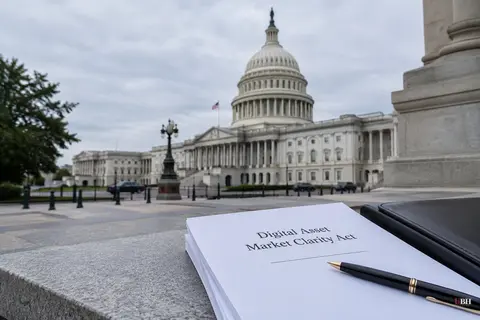
The Senate's newest draft of the Digital Asset Market Clarity Act adds language banning presidents, federal officials, and their spouses from issuing or profiting off crypto assets while in office. The provision is a direct response to conflict-of-interest questions raised by Trump-linked crypto ventures, and it's still being negotiated as the Senate pushes for a final vote.

Federal Regulators Miss One-Year Deadline for Final Stablecoin Rules Under GENIUS Act

The GENIUS Act became law on July 18, 2025, with a one-year clock for regulators to finalize stablecoin rules. That deadline passed Saturday, July 18, 2026, with zero final rules on the books, just 10 proposals still in process. The law still stands, but issuers are left operating under proposed rules instead of settled ones.

FBI Arrests Florida Man Over Fake Steam Games That Drained $220,000 in Crypto

Federal prosecutors say Zyaire Wilkins, 21, helped publish eight malware-laced games on Steam that infected roughly 8,000 devices and looted 80 crypto wallets over nearly two years. Uber Eats gift card purchases traced through a crypto wallet are what led agents to his door.

Citadel Securities Pours $400 Million Into Crypto.com, Setting $20 Billion Valuation

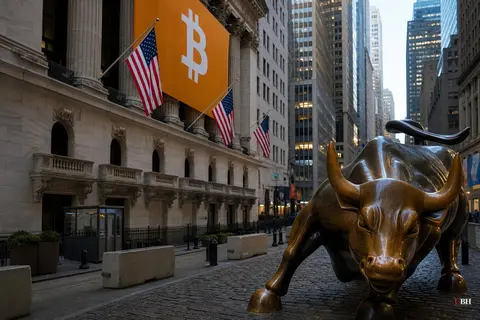
Ken Griffin's Citadel Securities announced a $400 million investment in Crypto.com on July 16, 2026, valuing the exchange at $20 billion, roughly half of Coinbase's market cap. It's Crypto.com's first-ever institutional funding round and the second big Citadel bet on a crypto exchange after its $200 million Kraken deal last November. Wall Street keeps writing checks into crypto even as Bitcoin sits down more than 26% on the year.

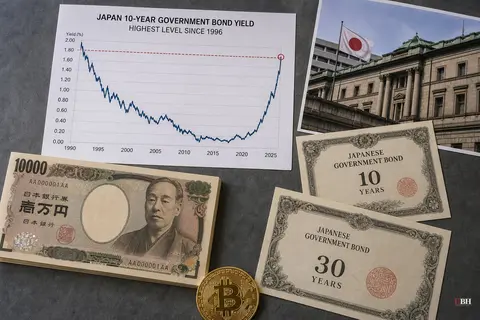
Japan Reclassifies Bitcoin and Crypto as Financial Assets, Clears Path for ETFs and a Tax Cut From 55% to 20%

Japan's parliament passed an amendment moving Bitcoin, Ethereum, XRP and other crypto out of payment-law status and into the same securities framework that governs stocks and bonds. The change opens the door to spot Bitcoin ETFs and slashes the top crypto tax rate from 55% to a flat 20%, starting in 2028. It's a real regulatory upgrade, not just a headline, and it puts Japan ahead of most Western regulators still fighting over basic crypto rules.

UK Will Stop Taxing Crypto Loans and Liquidity Pools as Taxable Events Starting April 2027

HMRC announced it will treat most crypto lending and liquidity pool transactions as 'no gain, no loss' for Capital Gains Tax purposes, deferring tax until someone actually cashes out. About 700,000 people who use these DeFi arrangements are affected, and the change fixes a mess HMRC's own 2022 guidance created.

Congressional Democrats Question Timing of UAE Chip Deal After $500 Million Trump Crypto Investment Surfaces

The Commerce Department's decision to give the UAE unrestricted access to advanced AI chips, first reported July 14, is now facing scrutiny over a $500 million investment a top UAE official made in a Trump family crypto venture days before Trump's inauguration. Commerce official Jeffrey Kessler denies any connection; Congressional Democrats call it pay-to-play. No investigation has been announced.

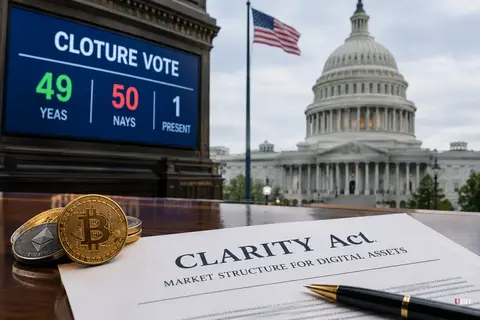
Congress Strikes Deal on Stablecoin Yield Ban, Clearing Path for CLARITY Act

Lawmakers reached a compromise on May 1 banning crypto platforms from paying interest-like yield on stablecoins, breaking a months-long logjam holding up the CLARITY Act. The fix lets platforms still offer activity-based rewards, meaning the ban has a loophole big enough to drive a truck through, and regulators will decide what counts.

Two Bitcoin Analysts Publicly Debate Whether Michael Saylor's Strategy Kept Its Word

Financial commentator QTR and fund manager Larry Lepard argued out their disagreement over Michael Saylor's company, Strategy, in a public podcast debate. The dispute isn't about whether Strategy is failing, it's about whether management's shifting story on selling Bitcoin and promoting 'Bitcoin Yield' should worry investors.

Liberland, the Crypto-Funded Micronation Where Votes Are Purchased With Tokens, Gets a Closer Look

Liberland, a libertarian micronation on a disputed Danube floodplain, runs on a system where purchasable crypto tokens determine political influence. Its backers include major figures in the cryptocurrency world, and its interior minister has stated openly that only the wealthy are truly welcome. The project raises real questions about whether 'liberty' with a price tag is liberty at all.

New Hampshire's Executive Council Rejects $100 Million Bitcoin-Backed Bond in 3-2 Vote

New Hampshire's Executive Council voted 3-2 on Wednesday to kill a proposal that would have created the world's first municipal bond secured by Bitcoin. The measure had Moody's approval, Governor Kelly Ayotte's backing, and a structure its supporters said carried zero taxpayer risk. Three councilors weren't convinced.

Trump's Strategic Bitcoin Reserve Is 16 Months Old and Still Has No Legal Home

An executive order isn't a law, and the federal government is now finding that out the hard way. Treasury and Commerce are fighting over who gets to run the Strategic Bitcoin Reserve, the DOJ's Office of Legal Counsel is still sorting out whether either department has the authority, and the $21 billion in seized bitcoin sitting in government wallets remains in limbo.

Trump Revealed to Hold More Than $100 Million in Personal Bitcoin While His Public Company Also Bets on Crypto

President Trump's personal Bitcoin holdings exceed $100 million, a stash built largely outside public view while his company simultaneously pursued its own crypto investments. The overlap between Trump's private financial interests and his administration's push for a national Bitcoin reserve raises conflict-of-interest questions that remain unresolved.

Strategy's Bitcoin Bet Has One Variable That Overrides Everything Else: The Price

Strategy has rolled out a new capital framework with cash reserves, dividends, and buyback authorizations. None of it changes the single fact that matters: if Bitcoin's price falls hard, the company's entire financial structure starts working against itself. And one analyst is now asking whether a government rescue of crypto would be the last resort.

World Liberty Financial Token Launch Draws Scrutiny as Trump Family's Crypto Venture Faces Ongoing Questions

The Trump family's World Liberty Financial crypto project has faced persistent criticism over its token launch and revenue structure. The venture sits at the intersection of presidential power and private profit, with no regulatory charges filed but no shortage of unanswered questions.

Bitcoin Policy Institute Report Links $23.6 Billion in Blocked U.S. Data Center Projects to China-Tied Nonprofit Network

A June 30 report from the Bitcoin Policy Institute traces 21 anti-data-center campaigns across 14 states to the Party for Socialism and Liberation, a Marxist-Leninist group with documented leadership overlap with nonprofits funded by Shanghai-based billionaire Neville Roy Singham. The findings have triggered congressional demands for an FBI investigation, though the report's own authors acknowledge most local opposition reflects genuine community concerns, and critics note the report's evidence of direct CCP coordination falls short of proof.

House Democrats Plan Crypto and Family Business Investigations If They Retake the Majority

Representative Robert Garcia has laid out a formal investigative agenda targeting Trump's crypto ventures, Jared Kushner's Saudi dealings, and Donald Trump Jr.'s corporate board ties, contingent on Democrats winning back the House. Garcia called the arrangements illegal under the Emoluments Clause, though no charges have been filed and the investigations themselves remain hypothetical until a majority is won.

Trump's Financial Disclosure: Millions in Crypto, NFTs, and Licensing Income Add Layers to Complex Picture

Trump's financial disclosure has drawn scrutiny for its breadth of holdings and income streams. Additional details from the filing show substantial income from cryptocurrency holdings, NFT ventures, and media licensing, adding more layers to an already contested portrait of a sitting president with extensive personal business interests running alongside official policy decisions.

A Network of 10,000 Fake Crypto Sites Is Running Spam Across Threads, Using Mr Beast as Bait

Spam accounts flooding Meta's Threads with nonsensical phrases and blurry fake newspaper screenshots are part of a single coordinated crypto scam network operating more than 10,000 malicious websites. The operation has racked up hundreds of thousands of views while evading Meta's automated detection. Security researchers say the network is unusually sophisticated in how it games the platform's own algorithm.

Trump's Crypto Earnings Top $1 Billion. Former White House Ethics Lawyer Says That Creates a Clear Conflict of Interest.

A 927-page financial disclosure shows Trump and his family earned over $1 billion last year, with more than $1.1 billion tied to crypto alone. The White House denies any conflict. Former White House ethics lawyer Richard Painter disagrees, and the legal framework he cites is worth examining closely.

Trump's 2025 Financial Disclosure Shows $2.2 Billion Earned While in Office, Mostly from Crypto

A mandatory financial disclosure made public this week shows Donald Trump earned at least $2.2 billion in 2025, nearly four times his 2024 income. More than $1.4 billion came from cryptocurrency ventures connected to him and his family. The White House denies any conflict of interest; historians say nothing like this has ever been documented for a sitting president.

Visa, Mastercard, Coinbase and 140 Partners Launch Open USD Stablecoin, Targeting Circle's Revenue Model

A consortium of more than 140 banks, fintechs, card networks, and crypto firms launched Open USD (OUSD) on Tuesday, June 30, with a governance and revenue-sharing structure designed to cut into the economics that made Circle and Tether dominant. Circle's stock fell 17.55% on the news. OUSD won't be live until later in 2026.

Trump's 2025 Crypto Income Topped $1.4 Billion, but Most Retail Token Buyers Are Underwater

Since the Office of Government Ethics released Trump's 2025 annual financial disclosure on June 30, the full picture has come into sharper focus: more than $1.4 billion in crypto-related income, driven by his meme coin and World Liberty Financial, dwarfing his real estate earnings. The disclosure also raises a structural question that has not been answered: the same president setting federal crypto policy holds a direct personal financial stake in the outcome of that policy.

Trump's 2025 Crypto Income: Foreign Property Deals and Media Settlements Add Hundreds of Millions More to the Disclosure Picture

Since our earlier reporting established that Trump's 2025 financial disclosure shows over $1.2 billion in crypto income, a fuller review of the same filing reveals additional income streams: more than $80 million from media company settlements, tens of millions from overseas property licensing deals, and a total crypto figure that Reuters puts above $1.4 billion. The White House says no conflicts of interest exist; critics say the numbers tell a different story.

Trump's 2025 Disclosure Numbers Were Revised: Crypto Income Totals Differ from Initial OGE Release

The U.S. Office of Government Ethics released Trump's 927-page 2025 financial disclosure on Tuesday, showing figures that include roughly $515 million from World Liberty Financial token sales, $65 million from WLF equity, and $635 million in royalties tied to memecoin operations. These figures differ from the $1.2 billion crypto-income figure reported in earlier coverage, and several stock purchases land on dates that coincide with major policy announcements — a factual pattern the disclosure makes visible but does not explain.

Trump's 2025 Financial Disclosure Shows Over $1.2 Billion in Crypto Income. Most Retail Buyers Lost Money.

President Trump's 927-page annual financial disclosure, released Tuesday by the U.S. Office of Government Ethics, confirms he earned more than $1.2 billion from crypto ventures during his first year back in office. The gains were heavily concentrated at the top: blockchain data shows roughly 80% of TRUMP meme coin supply remains held by Trump-aligned insiders under multi-year vesting schedules, while the majority of retail buyers are underwater.

Strategy Unveils $2B Buyback Program and Authorizes Up to $1.25B in Bitcoin Sales to Shore Up Its USD Reserve

Strategy announced a Digital Credit Capital Framework on June 29, 2026, authorizing up to $1.25 billion in Bitcoin sales and $2 billion in combined buybacks of preferred securities and common stock. The company held its Bitcoin purchases for the week ending June 28, leaving its 847,363 BTC hoard untouched. The framework marks a concrete shift: Bitcoin is no longer just an asset Strategy accumulates. It is now formally a source of liquidity.

Strategy's MSTR and STRC Both Hit 52-Week Lows as Bitcoin Sits Near $58,000 and Dividend Runway Compresses to 14 Months

Since bitcoin broke below $60,000 earlier this week, Strategy's capital structure has come under the most sustained pressure since Michael Saylor launched his bitcoin treasury playbook. MSTR shares are down more than 80% from their all-time peak, preferred stock STRC is trading 26% below par, and annual dividend obligations have quadrupled to $1.2 billion since January — leaving the company roughly 14 months of coverage before cash runs out at current burn rates.

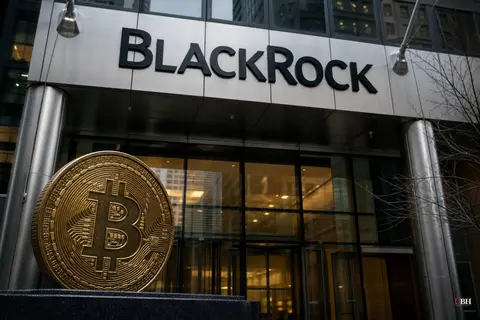
Bitcoin ETF Investors Are Selling, Not Buying the Dip. BlackRock's IBIT on Pace for Record Seven-Week Outflow Streak.

The institutional money that was supposed to be a stabilizing force in Bitcoin has spent the past week heading for the exit. Spot Bitcoin ETFs in the U.S. have shed more than $1.3 billion in net withdrawals over the past week, with BlackRock's IBIT alone accounting for $860 million of that. The pattern of ETF buyers stepping in during selloffs, which held through earlier downturns, appears to have broken down.

Jeremy Grantham Calls U.S. Market the Most Expensive in American History, Predicts Bitcoin Will Fade Over Decades

GMO co-founder Jeremy Grantham told CNBC this week that AI-driven enthusiasm has pushed U.S. stock valuations past every prior historical peak, including the dot-com bubble. He also renewed his prediction that bitcoin will gradually become irrelevant, calling it 'useless' and speculative. Both calls come from a man with a strong track record on bubbles — and an equally strong track record of being early.

CryptoQuant Tells Strategy to Stop Buying Bitcoin and Rebuild Its Cash Reserve

Analytics firm CryptoQuant says Michael Saylor's Strategy has been buying bitcoin at the wrong times, burning through cash, and piling up dividend obligations it may struggle to cover. Strategy's shares have fallen more than 43% in June alone, and its preferred stock STRC dropped to a record low of $73.62 on Thursday. The company says its capital structure is manageable, but the math on dividend coverage is getting harder to argue with.

Bitcoin Breaks Below Its 200-Week Moving Average as $10 Billion in Options Expire and Strategy Selling Fears Mount

Bitcoin futures hit a low of $58,995 Thursday, falling below the 200-week moving average — a level technical traders treat as a bear-market signal. A $10 billion options expiry on Deribit is set for Friday, and most of those bets were positioned for higher prices, adding forced selling pressure to an already fragile market. Strategy's 8% single-day stock drop is amplifying the panic.

Bitcoin Options Traders Are Pricing in More Downside as IBIT Put Volume Doubles Calls on Thursday

Since Bitcoin futures hit $58,995 on Thursday, the lowest print since October 2024, options activity in the iShares Bitcoin Trust ETF has tilted heavily bearish, with put volume more than doubling calls. Implied volatility in IBIT sits at 53, and July 31 options pricing puts roughly 48% odds on another 10% drop before the end of next month. Strategy's wobbling stock is adding to the unease.

Bitcoin Futures Hit $58,995 Thursday, Lowest Since October 2024. Options Traders Are Betting on More Pain.

Since Bitcoin closed below $60,000 twice in June, the selling pressure deepened Thursday as futures fell to $58,995. Options activity in the iShares Bitcoin Trust ETF was nearly double its 30-day average, with put volume outpacing calls by more than two to one. The derivatives market is now pricing roughly even odds that Bitcoin drops another 10% before the end of July.

Bitcoin Miner Bitzero Pivots to AI Data Centers With $2.6 Billion Norway Lease Deal

Bitzero Holdings signed a binding letter of intent for a 15-year lease covering 110 MW at its Namsskogan, Norway site with OneQode Networks on May 5, with an implied deal value of $2.6 billion. The company built its position by using Bitcoin mining cash flow to lock up cheap Nordic power, and is now pitching itself as an AI infrastructure play rather than a crypto bet.

International Operation Disrupts Two Major Cybercrime Platforms, Seizes $47 Million in Crypto Assets

A coordinated operation between Microsoft, Europol, and several private security firms took down 326 servers and 142 domains tied to the Amadey and StealC malware platforms. Authorities recovered up to 27 million stolen login credentials and identified $47 million in crypto assets of criminal origin. The legal hook was a RICO filing that treated the two separate tools as a single conspiracy after Microsoft's AI analysis found shared infrastructure.

Bitcoin Closed Below $60,000 on Wednesday for the Second Time in June, Dragged by Tech Selloff and Strategy Concerns

Bitcoin fell as low as $59,023 on Wednesday, its weakest level since October 2024, as a tech-stock selloff bled into crypto and concerns about Strategy Inc.'s financing strategy rattled institutional confidence. More than $650 million in crypto positions were liquidated in 24 hours, and Bitcoin ETFs are on pace for their seventh straight week of net outflows.

ICE and Crypto Exchange OKX Form 50-50 Joint Venture to Connect Futures and Tokenized Equity Markets

Intercontinental Exchange, the NYSE's parent company, and OKX, a blockchain firm serving more than 120 million customers, announced a joint venture on June 22, 2026 aimed at letting OKX users access ICE futures and tokenized NYSE equities. The deal is subject to regulatory approval and would operate as a registered U.S. broker-dealer and futures commission merchant. Former New York Governor Andrew Cuomo will co-chair the venture.

Republicans Now Outpace Democrats on Crypto Ownership, Pew Data Shows

A Pew Research Center poll of 8,512 U.S. adults found 22% of Republicans have used cryptocurrency, compared to 17% of Democrats. That gap didn't exist before 2023. Trump's pivot from crypto skeptic to crypto entrepreneur is the most cited driver.

Bitcoin Sits Near $63,000, Down Almost 50% From Its October 2025 Peak. Industry Voices Say the Selloff Is a Buying Signal.

Bitcoin has shed roughly half its value since hitting an all-time high of $126,279 on October 6, 2025, and the largest bitcoin ETFs have fallen about 40% over the past 52 weeks. CoinDesk's David LaValle and TMX VettaFi's Todd Rosenbluth argue institutional staying power distinguishes this downturn from prior crypto winters. The data on ETF holder behavior is modestly encouraging, but it comes with real caveats worth examining.



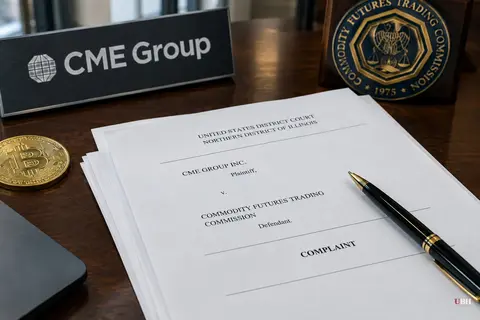
CME Sues CFTC to Reclassify Kalshi's Bitcoin Perpetual Futures as Swaps, Not Futures

CME Group filed suit against the CFTC this week over the agency's approval of crypto perpetual futures, arguing Kalshi's Bitcoin perp should be classified as a swap rather than a futures contract. The CFTC called the suit frivolous. The classification fight isn't really about legal taxonomy — it's about whether retail traders get access to a product that competes directly with CME's fee-generating model.

Bitcoin Sits Nearly 50% Below Its October 2025 Peak as ETF Holders Largely Stay Put

Bitcoin has spent much of 2026 in a sustained drawdown, sitting close to 50% off its all-time high of $126,279 set on October 6, 2025. Despite that, institutional data suggests retail and advisor clients are holding rather than fleeing, and some industry voices are calling the dip a credibility test the asset is passing.

Bitcoin at $65,000 and Down 50% in a Year: The Political Tailwind Crypto Is Pricing In May Not Last

Bitcoin has shed roughly half its value over the past year even while enjoying unprecedented political support from the White House, Wall Street ETFs, and a Republican-controlled Congress. A column published by QTR's Fringe Finance via ZeroHedge argues that crypto's biggest unpriced risk is what happens when that political environment reverses. The concern is specific and worth examining honestly: the best catalysts may already be spent.

Two Crypto Stories the Industry Doesn't Want You to Connect: Political Fragility and Structural Fraud

Bitcoin is hovering near $65,000, down about 50% over the last year, and the structural props holding crypto's political tailwind together are worth scrutinizing. Meanwhile, Pump.Fun's GO bounties platform continues generating documented AI fraud and racially offensive content with no transparent enforcement. The two stories share a common thread: crypto's biggest risks right now are not technological, they are institutional.

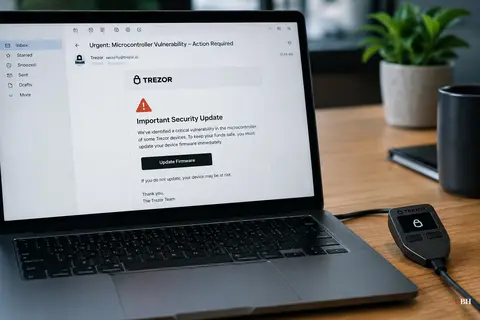
Microsoft Details How a Crypto Clipper Running Since February 2026 Spreads via USB and Hides Behind Tor

Microsoft's Defender Security Research Team has published a technical breakdown of a cryptocurrency-stealing malware campaign that has been active since February 2026. The malware spreads through booby-trapped USB drives, roots itself with scheduled tasks, and routes all communications through the Tor anonymity network, making its command infrastructure nearly impossible to locate. It doesn't just steal wallet addresses; it also functions as a persistent backdoor with remote code execution capability.

Windows Crypto Clipper Malware Has Spread via USB Drives Since February 2026, Microsoft Says

Microsoft's Defender Security Research Team has detailed a cryptocurrency-stealing malware campaign active since February 2026 that spreads through infected USB drives, hides behind the Tor network, and silently swaps crypto wallet addresses mid-transaction. The malware is technically sophisticated, running without a traditional installer and routing all command traffic through a hidden .onion server. Microsoft has identified it as Trojan:Win32/CryptoBandits.A and issued specific detection and mitigation guidance.

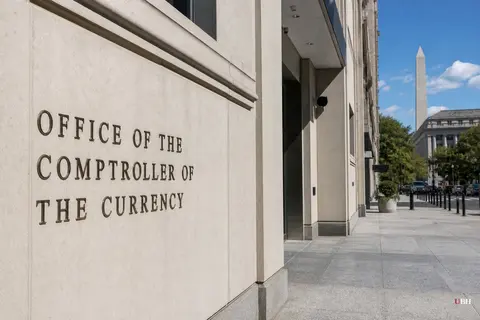
Five Federal Regulators Propose Joint Rule Requiring Stablecoin Issuers to Verify Customer Identities Under the GENIUS Act

FinCEN, the Federal Reserve, the FDIC, the OCC, and the NCUA jointly proposed a rule on June 18 requiring permitted payment stablecoin issuers to collect and verify customer identity information before account opening. The move implements a specific mandate in the GENIUS Act, which President Trump signed in July 2025. Public comment opens for 60 days, with a statutory compliance deadline tied to January 18, 2027.

CFTC Approves Perpetual Crypto Futures for U.S. Markets. Kalshi and Kraken Are Already Live.

The CFTC has cleared perpetual futures contracts for U.S. regulated exchanges, ending years of American traders routing that business offshore. Kalshi launched first, clearing $3 billion in notional volume within a week of beta testing. Kraken followed through its Bitnomial subsidiary, listing perps on nine crypto assets as of June 15.

$21 Million in Bitcoin Positions Liquidated in Five Minutes on June 14

A single five-minute price swing in Bitcoin triggered $21 million in forced liquidations on June 14, 2026. This is not a one-off. Rapid leverage cascades have become a routine feature of the current crypto derivatives market, and the pressure doesn't stay contained to futures trading.

Showing the 60 most recent of 95. Browse the full archive →