
Unbiased headlines. Facts, not spin.
Unbiased Headlines is an independently owned news organization. We bring you the facts, not opinions, written fresh from 110+ named sources. Sources linked so you can verify it yourself.
 energy
Major Story (8/10)
Iran Says US Struck Qeshm Island; Qatar Condemns Iranian Attacks on Bahrain as Brent Holds Near $93
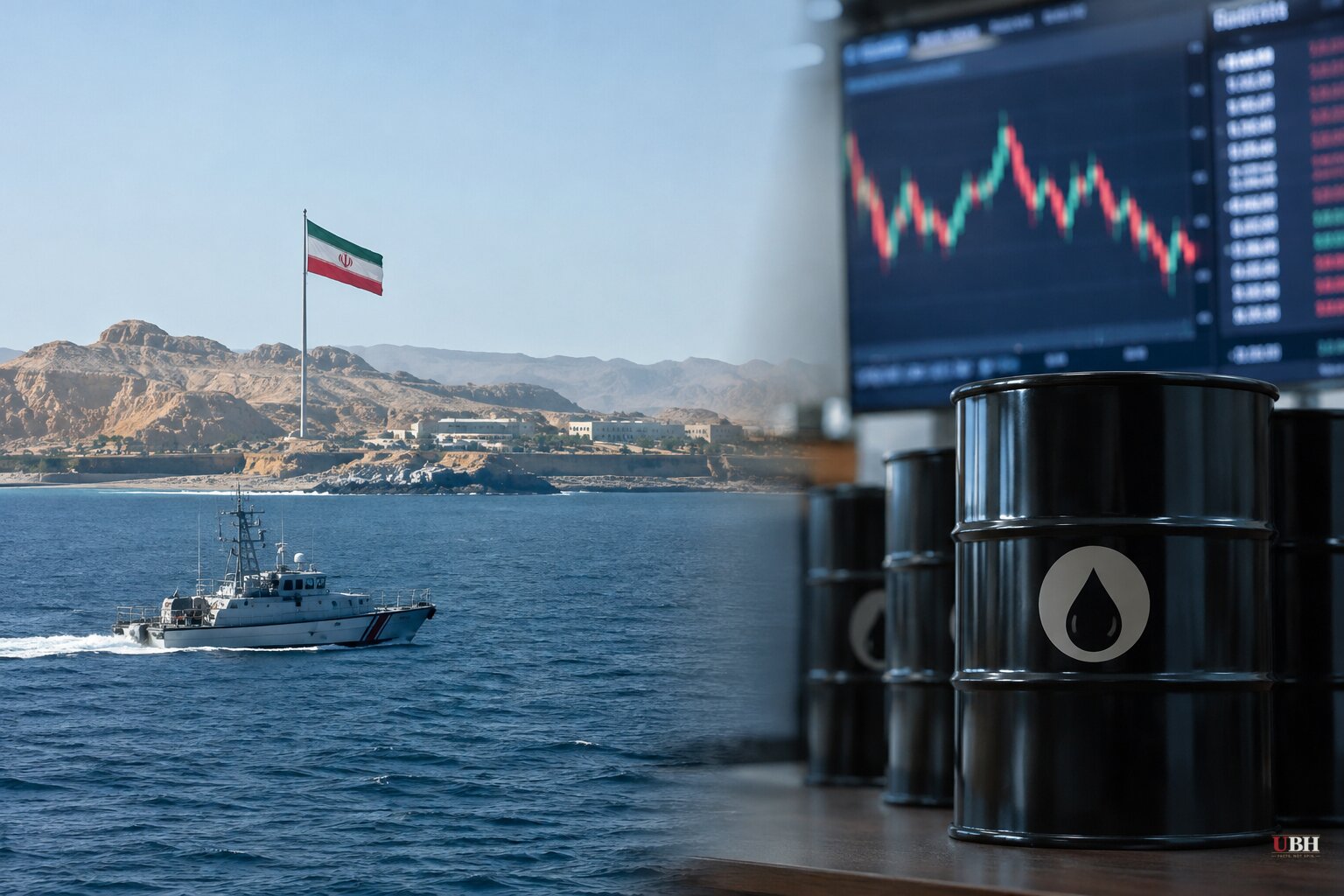
More than eight months into the Iran war, the fighting around the Strait of Hormuz has widened again today, Nov. 17, while oil prices stay range-bound.
Qeshm island strikes
Ahmad Nafisi, deputy governor of Hormozgan province, blamed the United States for an attack on areas of Qeshm island in southern Iran on Tuesday. He told Iran's Mehr News Agency that it caused no damage to residential or commercial areas or vital infrastructure. He said the situation was under control and emergency services remained on full alert.
Nafisi did not say what was targeted. Open-source conflict trackers logged air defenses activating on the island and US fighters entering its airspace twice on Tuesday, followed by additional strike waves. Those are mapped news reports, not confirmed battle damage assessments.
The same trackers carried a single unverified report of five missiles launched from Iran's Khuzestan province. Destination and impact are unknown.
Bahrain and the Gulf states
Qatar's Foreign Ministry condemned Iran's "continued attacks" on Bahrain on Tuesday. It called them a "flagrant" breach of international law and a violation of Bahrain's sovereignty. The ministry said the attacks were a serious escalation that undermined diplomatic efforts to ease tensions.
OilPrice, an energy publication, described Iran's strike on a US military radar system in Bahrain as another escalation in a conflict that has lately centered on maritime warfare.
Iran disputes the American account of its intentions. Foreign Minister Abbas Araghchi and Parliament Speaker Mohammad Bagher Ghalibaf accused major US media of "Iraq War-style propaganda" and "false flags." They were responding to reports that Iran was plotting an attack in Washington and building missile facilities under dams.
"In the past 72 hours, pro-Israel media have 'reported' that Iran is supposedly plotting to use chemical weapons in DC while building missile bases under dams. RUBBISH," Araghchi wrote on X. "Nobody is buying it." His remarks followed a CNN report citing seven US officials about intelligence on Iranian activity.
The tanker squeeze
The new market concern is ships, not barrels. Bloomberg reported Tuesday, citing Tankertrackers.com, that the combined capacity of empty supertankers and Suezmax vessels heading to the Persian Gulf has fallen about 40% since the end of August.
"There are not enough vacant tankers to take oil out of the region," Tankertrackers.com co-founder Samir Madani told Bloomberg. He said regional oil flows had already declined this month. He added that the scale, causes and duration of the drop remain unclear.
The war has deterred some tankers from crossing Hormuz. Some cargoes are now collected in the Gulf of Oman from other vessels willing to make the passage.
Some Gulf operators say they will keep sailing. "For us national shipping companies, there is no choice," Khalid Alhammad, president of ship management at Saudi owner Bahri, said at a Dubai conference. "We still have to go through the Strait of Hormuz."
Prices and supply
Brent is near $93 a barrel, according to OilPrice. Bloomberg reported that futures dipped below $90 at one point this week and were down almost 25% for the month at the low.
Saudi Arabia said it pumped 10.5 million barrels a day in October, a level it has reached only once since 2022. Iraq and Kuwait also raised output. The United Arab Emirates is free of OPEC quotas.
The International Energy Agency said Friday that global supply rose 2.3 million barrels a day in October to 105.4 million. It said supply outpaced demand for the first time since the war began.
The IEA also said global inventories are still down a cumulative 462 million barrels since the war started. Onshore stocks are at their lowest since at least 2016, and diesel remains under severe pressure.
Iran's own exports
Tehran's side of the ledger looks different. Windward, a maritime analytics firm, said in a Nov. 3 analysis that no Iran-linked tanker still transmitting AIS in the Gulf had shown a loading draft change since Sept. 17.
Satellite passes over Kharg Island between Sept. 18 and Nov. 1 found no dark tanker at either loading terminal. Fifteen Iran-linked tankers sit in ballast with nearly 24 million barrels of empty capacity.
Windward said there is no evidence of where Iran's crude is going. It listed three possibilities: onshore storage at Kharg, loading while dark, or output cuts and capped wells. The IEA's October data showed Iran's output edging down slightly.
What to watch
The open question is whether the drop in empty-tanker arrivals reflects a few weeks of noise or the start of a real bottleneck. Madani has said the cause and duration are not yet clear, and the next tanker-tracking readings will show whether Gulf loadings keep slipping.
Sources used for this briefing
6 links from 6 independent newsrooms (syndicated copies of the same report count once)
These are the sources it draws on, linked so you can verify.
More coverage: Iran


