
Unbiased headlines. Facts, not spin.
Unbiased Headlines is an independently owned news organization. We bring you the facts, not opinions, written fresh from 110+ named sources. Sources linked so you can verify it yourself.
 energy
Major Story (8/10)
Iran and Oman Foreign Ministers Meet in Muscat as Tanker Strikes Near Hormuz Continue
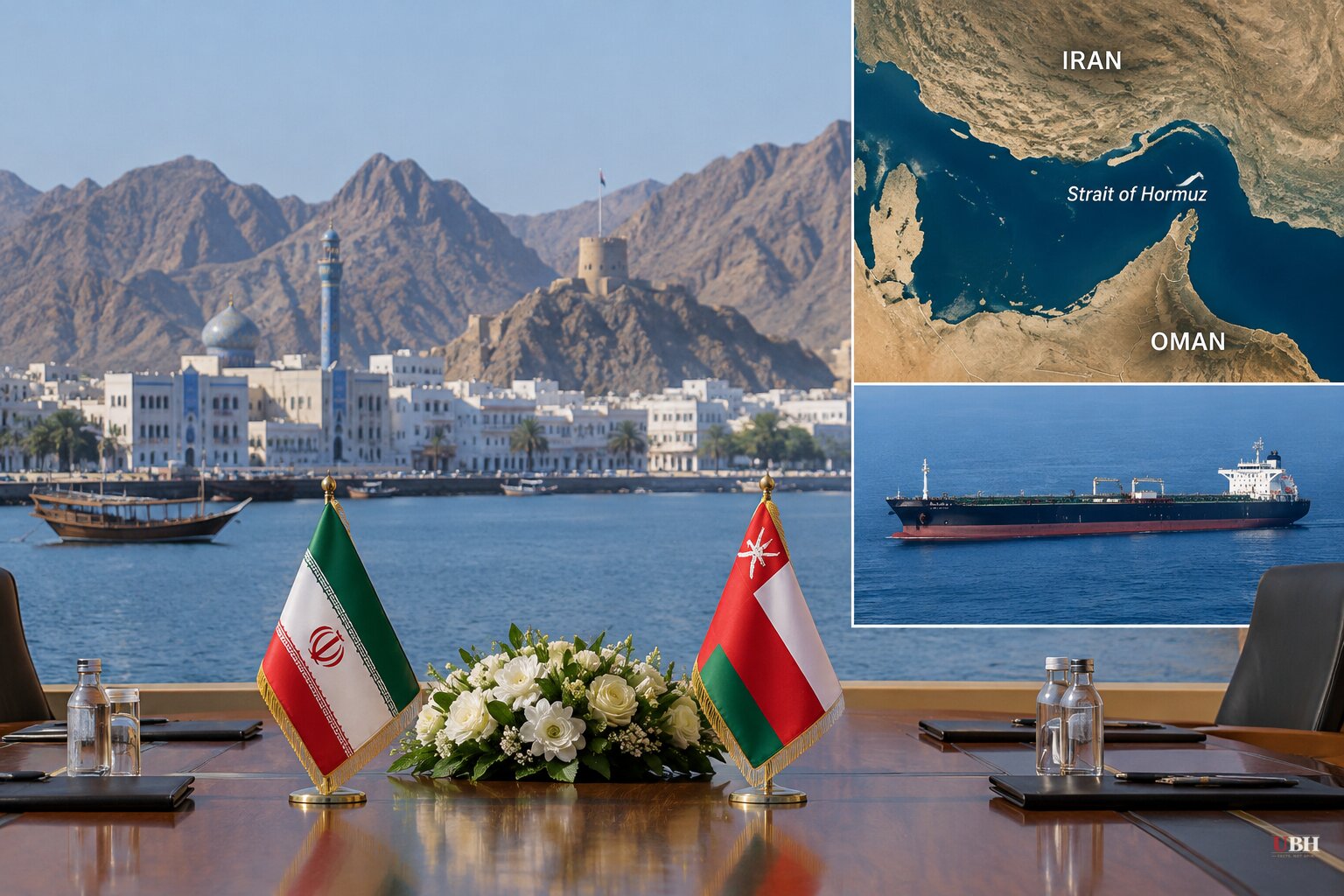
Iran's foreign minister sat down with his Omani counterpart in Muscat on Tuesday, Nov. 17, while tankers were still burning in the waters off Oman's coast.
Abbas Araghchi and Badr Albusaidi discussed "diplomatic options available to contain tensions and revitalise tracks of dialogue and negotiation," according to a statement from Oman's foreign ministry and the Oman News Agency. The two also stressed "safeguarding" maritime passages so international navigation and trade can continue. The stated aim is to "prevent the widening of the crisis and its repercussions."
Oman has played a mediating role in efforts to bring Washington and Tehran into indirect talks. Iran and Oman share the strait's coastline, and the two countries have talked in recent months about how the waterway might be managed in future.
The tanker attacks
The diplomacy is running behind events on the water. The British maritime security agency UKMTO reported two incidents on Monday, Nov. 16. In one, a tanker leaving the strait was hit by an unknown projectile, starting an engine-room fire. In the other, a tanker seven nautical miles north of Khasab, Oman, was disabled by an attack and also caught fire. Both crews were initially reported unharmed.
On Tuesday UKMTO updated the Khasab case. A maritime security agency reported the vessel was struck a second time, starting another fire, and the crew is now unaccounted for. The extent of the damage has not been established.
Also on Tuesday, the Islamic Revolutionary Guard Corps claimed another tanker hit a naval mine and caught fire east of the strait. Iran's Tasnim news agency, which is closely linked to the IRGC, said the vessel was in a restricted zone with its navigation systems switched off.
Iran has made similar claims almost daily for weeks and has offered no evidence. Independent maritime monitors, by contrast, report frequent explosions from unknown projectiles hitting ships in the area.
OilPrice.com reported that October saw the highest number of reported tanker attacks in or near the strait since the war began.
Two routes, two rulebooks
The dispute comes down to who sets the rules. Iran demands that every vessel get its permission and use a northern passage near its own shores. The U.S. military says a southern route through Omani waters has been cleared of mines and is safe, and CENTCOM oversees shipping on it. Iran has attacked ships using that southern route with missiles and drones since the summer, according to CBS News.
Iranian Parliament Speaker Mohammad Bagher Ghalibaf told Al Jazeera that shipping in the strait "would not return to pre-war conditions." He said the rules should be set by the two coastal states, Iran and Oman.
The U.S. Navy imposed a blockade of Iranian ports in April, lifted it in June during a temporary ceasefire, and reinstated it in July. The war itself began Feb. 28 with U.S. and Israeli strikes on Iran.
A disputed claim on Omani soil
The Omani side is less clear. The IRGC said it struck navigation aids, radar and communications equipment on Oman's Didamar Island, also called Little Quoin, which it said helped ships transit without Tehran's permission. State television called this "oil smuggling by the enemy."
The Institute for the Study of War dated the attack to Nov. 8 and said the extent of damage was unclear, noting commercial ships kept using the southern route afterward. Three sources told Reuters the island's systems were attacked, and Sentinel-2 satellite imagery from Nov. 8 shows apparent scorch marks near radar and radio equipment.
But a senior Omani official told the Maritime Executive the island was not attacked and its navigational facilities were undamaged. The magazine said smoke seen in video could have come from tankers burning nearby. Oman has not publicly condemned any Iranian attack on its territory, as it has on past occasions. Neither CENTCOM nor Oman has released a damage estimate.
Pressure elsewhere in the Gulf
Iran is also pushing on Bahrain. The IRGC said it used drones on Tuesday to hit a U.S.-operated radar at Sheikh Isa Air Base, the third such claim since Friday. It said the strikes answer repeated violations of Iranian airspace by U.S. drones.
Bahrain said its forces intercepted and destroyed the incoming drones. Residents were told to take shelter, and explosions were heard over Manama. No independent confirmation of damage to the radar has emerged.
Washington is adding force. Vice President JD Vance said President Trump will not let the conflict become a "forever war," even as the U.S. sends a third aircraft carrier to the region. CNN, citing sources, reported that Iran may be planning to target senior administration officials in Washington with a dirty bomb or chemical weapon. A White House official downplayed the report. CNN's sources described it as "an effort to give itself options rather than an indicator of an imminent attack," and U.S. officials are divided on whether Tehran can or intends to carry out such a plot.
What comes next
Neither the Omani nor the Iranian statement mentions any agreement, and the Muscat talks produced no announced change on the water. The unresolved matter is the Khasab tanker: UKMTO has not confirmed what happened to its crew after the second strike.
Oman has not said whether it will back Iran's demand for a coastal-state permission system in the strait.
Sources used for this briefing
7 links from 7 independent newsrooms (syndicated copies of the same report count once)
These are the sources it draws on, linked so you can verify.
More coverage: Iran


