
Unbiased headlines. Facts, not spin.
Unbiased Headlines is an independently owned news organization. We bring you the facts, not opinions, written fresh from 110+ named sources. Sources linked so you can verify it yourself.
 energy
Major Story (7/10)
Iraqi PM Due in Beirut Wednesday to Discuss Pipelines Bypassing Hormuz as Kataib Hezbollah Threatens to Resist Troops at Jurf al-Sakhar
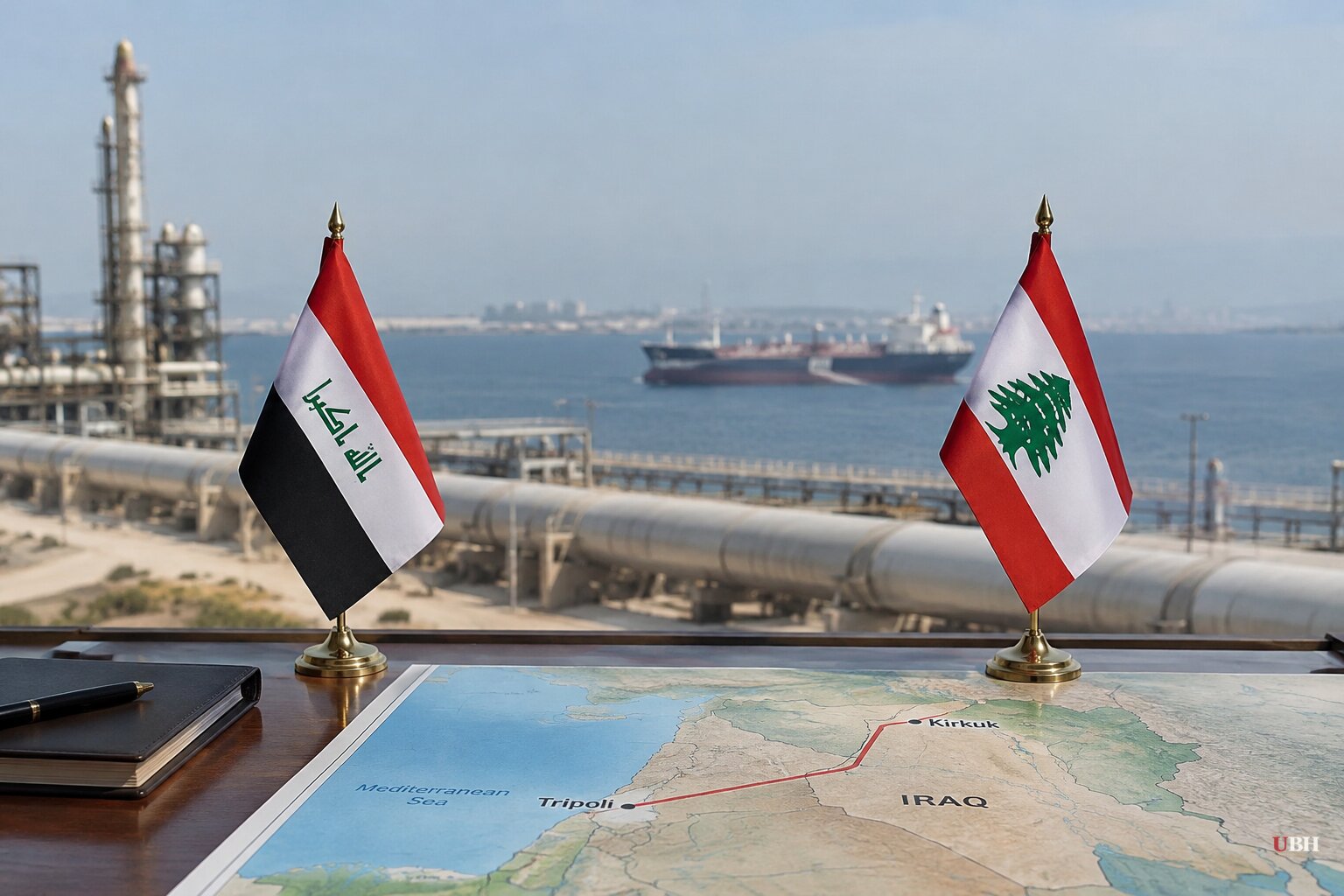
Since Iraqi Prime Minister Ali al-Zaidi fired nine officials over oil smuggling near Kataib Hezbollah's stronghold on Nov. 15, two tracks have moved in parallel: a push for export routes that skip the Strait of Hormuz, and a confrontation with the militia over the territory where the alleged smuggling took place.
Beirut on Wednesday
Zaidi is scheduled to travel to Lebanon on Wednesday, Nov. 18, a government source told Kurdistan24. He is set to meet President Joseph Aoun, Prime Minister Nawaf Salam and Parliament Speaker Nabih Berri.
Al Jazeera reports the agenda includes bilateral trade, customs exemptions, security coordination and countering drug trafficking. A pipeline from Kirkuk through Syria's port of Baniyas to Tripoli in northern Lebanon is also expected to come up.
The stop extends a tour that began in Riyadh on Oct. 14, then went to Jordan on Oct. 26, Damascus on Oct. 28 and Bahrain on Nov. 4. Zaidi was the first Iraqi prime minister to make an official visit to Manama since 2003. A Kuwait stop planned for Nov. 8 was postponed with no new date.
The government source did not say whether the killing of former Iraqi lawmaker Ahmed al-Alwani will be raised. Alwani's body was found in a rented Beirut apartment earlier this month. Lebanese security and judicial officials told The Associated Press he had been struck on the head and strangled. His office calls it an "assassination." Lebanon's top prosecutor, Judge Ahmed Rami al-Hajj, is overseeing the investigation.
The pipeline math
The war on Iran, which began Feb. 28, crushed Iraqi exports. Iraq's Oil Ministry said exports reached about 2.7 million barrels per day last month, up from roughly 200,000 in May. The prewar level was about 3.5 million.
Pumping through the Iraqi-Turkish pipeline resumed this week at an initial 120,000 bpd, Al Jazeera reports.
Deputy Prime Minister for Energy Mohsen al-Mandalawi gave a different, higher export figure at Chatham House's Iraq Initiative conference in London: about 3.6 million bpd on production near 5 million. He described a planned Basra-Haditha-Baniyas line that would send crude toward Mediterranean and European markets when Gulf shipping is disrupted. He also said the government wants to lift the capacity of the south-to-north oil link to 2 million bpd.
"The tensions in the Strait of Hormuz have demonstrated that energy security is not measured by production volumes alone, but by the flexibility of export routes," Mandalawi said.
Oil Minister Basim al-Abadi has described the Syrian line as one branch of a wider network. A Basra-to-Haditha pipeline in Anbar would feed one branch to Baniyas and another north to Fishkhabur in Duhok, where it would join the Turkey route.
Nothing is built yet. The July memorandum of understanding between Baghdad and Damascus states an intention to cooperate and is not a construction contract. The Oil Ministry said at the time that Chevron, TI Capital and Qatar's UCC would carry out the project. The Beirut leg would add Lebanese territory and Tripoli's port to a route that does not yet exist in Syria.
The production targets also don't line up. Mandalawi said Iraq aims to hit 7 million bpd within two years. Zaidi told a Kurdistan Regional Government delegation on Monday, per his office, that 7 million would come in 2030 and 10 million in 2032. OPEC+ currently holds Iraq's quota at 4.431 million bpd through December.
Jurf al-Sakhar standoff
The pipeline talk sits next to a harder problem at home. Zaidi said Monday that security forces would enter Jurf al-Sakhar, in Babil province south of Baghdad, later this week. Local media reported the group has until Friday to leave.
Abu Taleb al-Saidi of Kataib Hezbollah said Tuesday the group would confront government forces if they try to enter. He denied the smuggling allegations. The group has kept an armed presence in the area for more than a decade. Washington calls it an "Iran-backed terrorist organization."
Two Kataib Hezbollah officials, speaking anonymously to The Associated Press, said Gen. Esmail Qaani, head of the foreign wing of Iran's Revolutionary Guard, arrived in Baghdad on Monday to take part in mediation. They gave no further details.
Also on Tuesday, an Iraqi judicial committee, accompanied by a government committee, inspected Jurf al-Sakhar to examine the alleged smuggling and identify sites where violations occurred. Authorities allege the group used the area to smuggle oil worth tens of millions of dollars. Iraq's state news agency quoted Zaidi saying all suspects will be referred to the judiciary.
The operation is part of Zaidi's goal of disarming Iran-backed groups by mid-2027. The Associated Press notes the standoff raises the prospect of Shiite-on-Shiite fighting, which has largely been avoided since the 2003 invasion. The United States backs the disarmament push.
Lebanon's authorities are likely to watch closely. Beirut has made little progress on its own plan to disarm Hezbollah, which is allied with but separate from Kataib Hezbollah.
What comes next
Zaidi's Beirut meetings are set for Wednesday. The Friday date reported by local media for Kataib Hezbollah to leave Jurf al-Sakhar will show whether mediation holds or Iraqi forces move in.
Sources used for this briefing
7 links from 7 independent newsrooms (syndicated copies of the same report count once)
These are the sources it draws on, linked so you can verify.


