
Unbiased headlines. Facts, not spin.
Unbiased Headlines is an independently owned news organization. We bring you the facts, not opinions, written fresh from 110+ named sources. Sources linked so you can verify it yourself.
 energy
Major Story (8/10)
Event date: November 18, 2026 ·
IEA's Birol Sees 'No Credible Path' Back to Pre-War Energy Markets as U.S. Oil Firms Post $130 Billion Profit
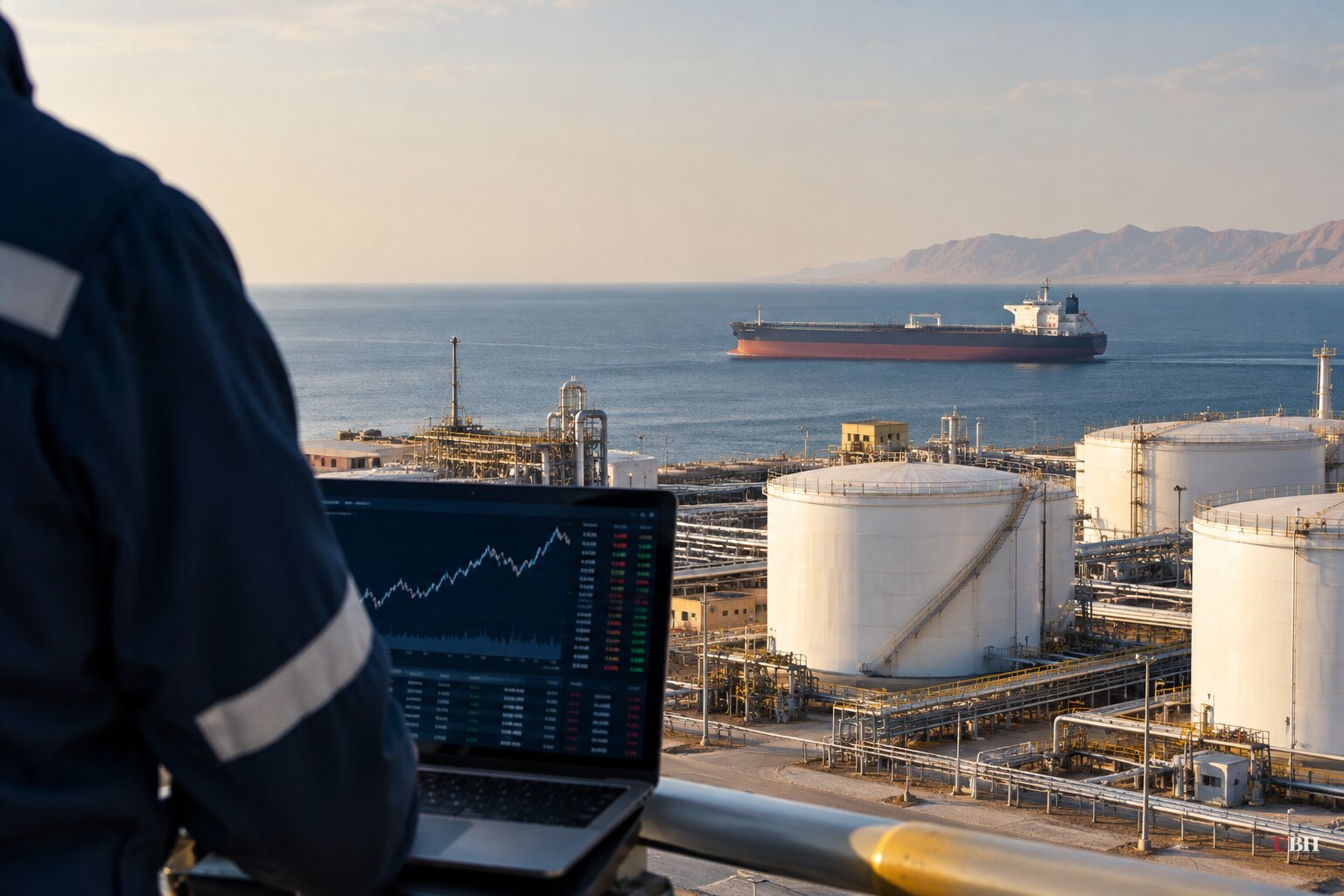
Since U.S. and Israeli strikes on Iran in late February, shipping through the Strait of Hormuz has been severely restricted. The newest verdict on the damage comes from the man who runs the world's main energy watchdog.
Fatih Birol, executive director of the International Energy Agency, wrote in The Economist's The World Ahead 2027 issue, in an article made public Nov. 18, that he sees "no credible path back to the situation as it was in February 2026." He said confidence in the strait as a safe corridor "has been crushed."
"A world short of trust will never be a low-cost world," Birol wrote.
What Birol says changes
Birol's argument is that even if tankers flow freely again, shipowners, energy companies and importing countries will still bear costs for security, alternative routes and extra inventories. Energy companies, he wrote, will shift from a "just-in-time" model to "just-in-case." He noted that a "just-in-case" system typically costs more to operate, making energy security an additional cost the global economy must bear.
He also gave a recovery snapshot. The IEA's November oil market report showed Gulf crude exports reached 15 million barrels per day in October, or 82% of pre-war levels. Exports of refined products and LPG stood at only about half.
Birol expects the crisis to speed a shift toward domestic renewables and nuclear power. He cautioned against swapping old dependencies for new ones: "Uncertainty is now the rule, not the exception." He did not write the Middle East off. "The global energy system can diversify away from the strait over time," he said, "but the Middle East will remain vital for energy security and markets."
Before the war, 20 to 25 percent of the world's oil and LNG moved through the strait, with 85 to 135 ships transiting daily. Transits fell to near zero at the height of the fighting. Birol warned that another blockage would have a "hugely disruptive effect on oil and gas markets."
That risk is not theoretical. City A.M. reported that multiple tankers caught fire in the strait this month, and that one vessel was struck by an unidentified projectile on Nov. 16. Ships remain cautious.
Who is getting paid
A New York Times analysis of more than 50 major U.S. oil and gas companies, mostly producers and refiners, found profits above $130 billion from April to September. The analysis was described as conservative. The same companies earned less than $47 billion in the same stretch last year.
Refiners did especially well. Several Middle Eastern and Russian refineries have been damaged, leaving a gap U.S. plants have filled. Much of the crude they process also moves by pipeline, which shields them from the shipping costs hammering their competitors.
LNG tells a similar story. GlobalData said the U.S. is "set to benefit the most" from the reshaping of the trade. It said the conflict has suspended Qatari capacity equal to about 12.5% of global liquefaction. GlobalData projects global liquefaction capacity growing from 482 million tons per annum in 2024 to around 874 by 2030.
Qatar's energy minister, Saad Sherida Al-Kaabi, told the International Energy Forum in Riyadh that "we need to keep energy above politics."
The bill lands in Britain first
The price shock is already feeding through to households. Consultants at Cornwall Insights estimate British households face a £443 hit, which would put annual energy costs at £2,166. The Bank of England's earlier estimate was £2,150.
Ofgem's price cap was last set at £1,723 a year, 4% above the summer level, and is due for its quarterly reset in January. The Bank of England raised interest rates earlier this month for the first time since 2023, citing inflation.
Washington and Tehran dig in
The political fallout in the U.S. is just as concrete. Democrats seized control of Congress in the midterm elections held Tuesday night, after a campaign dominated by affordability and a war that Trump had described as lasting weeks, maybe a bit over a month. It has now been raging for more than eight months.
Iran's leadership claimed the result as its own. Supreme Leader Mojtaba Khamenei posted on X that "the process of the US's collapse has accelerated." Parliament Speaker Mohammad Bagher Ghalibaf, who has also served as Tehran's chief negotiator in talks with Washington, wrote that "Americans said NO TO WAR, and we endorse this message."
Khamenei also signaled no softening. "The slightest inclination toward submission would cause the immense capital acquired through the blessings brought by the blood of our martyrs... to be lost," he wrote. Ghalibaf warned that if Washington "betrays their public will," Iran's "NO comes with a Nightmare."
Neither has offered a timetable or terms for a full reopening of the strait.
The next measurable test is the Ofgem cap in January. It will show how much of the war premium Birol describes has settled into consumer bills.
Sources used for this briefing
6 links from 6 independent newsrooms (syndicated copies of the same report count once)
These are the sources it draws on, linked so you can verify.


