
Unbiased headlines. Facts, not spin.
Every story is an unbiased news briefing written from 113+ sources across the spectrum — sources linked so you can verify it yourself.
 health
Major Story (8/10)
September 28, 2026 at 10:44 AM
health
Major Story (8/10)
September 28, 2026 at 10:44 AM
Congo Ebola Outbreak Tops 8,000 Cases, Deaths Near 3,900 as Health Workers Go Unpaid
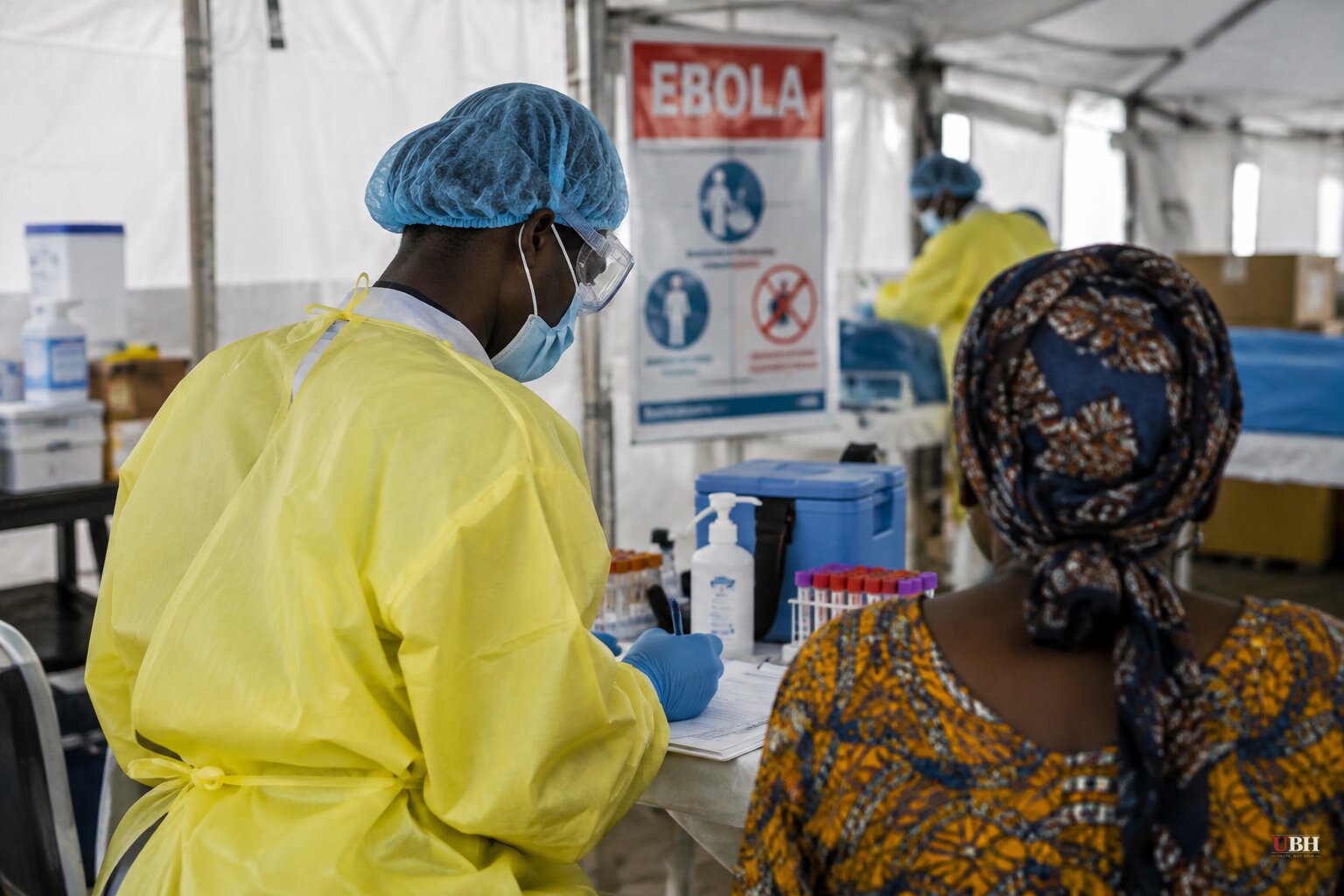
Since Congo declared the outbreak on May 15, confirmed Ebola cases have climbed to 8,067 with 3,901 deaths as of September 26, according to Congo's health ministry, cited by the Associated Press and Reuters. That's a fatality rate over 48%. The virus has now spread across 63 health zones in seven of Congo's 26 provinces.
This is the Bundibugyo strain of Ebola, a version with no approved vaccine and no approved treatment. Doctors are managing this outbreak with supportive care alone, while the more familiar Ebola vaccines developed after the 2014-2016 West Africa epidemic don't apply here.
How Bad Is This, Really
The U.S. Centers for Disease Control and Prevention put it plainly in a September 23 update: this is the second-largest Ebola outbreak on record and it's spreading faster than any prior one. The CDC noted the outbreak hit 1,000 confirmed cases within 40 days of response activation. The 2018 Congo outbreak took 235 days to reach the same mark.
Reuters reported the outbreak has already surpassed Congo's 2018-2020 epidemic to become the largest and deadliest in the country's history. It's now second only to the 2014-2016 West African outbreak that killed more than 11,000 people across Guinea, Liberia, and Sierra Leone.
The WHO's own case-trajectory data, cited by the Associated Press and Africa CDC, shows this outbreak has already outpaced that West African epidemic at the same point in its timeline: 7,840 cases by week 19, versus 3,781 cases at the same week in 2014-2016. The WHO said the current outbreak is on track to surpass that death toll.
Health Workers Are Striking, Not Just Dying
Fifty health workers have died in this outbreak, according to the Africa Centers for Disease Control and Prevention. But Congo's real shortage stems from who's left to fight it. The WHO said last week that Congo is running out of health workers to contain the disease, and the reason isn't just infection risk. It's money.
Health workers have complained about delayed or missing pay from Congo's own health ministry, triggering multiple strikes in the middle of an active outbreak, according to the Associated Press. These are people risking Ebola exposure daily. Congo's government bears direct responsibility for that failure, separate from the disease itself.
The consequence is straightforward: fewer trained workers means slower case detection, slower contact tracing, and more deaths happening in communities rather than treatment centers, which the WHO flagged as a major driver of the high fatality rate.
The Outbreak Is Moving West
Most cases remain concentrated in Ituri province, which Breitbart reported accounted for over 5,400 of roughly 6,843 cases as of mid-September. But North Kivu has seen new cases more than double over three weeks, according to Africa CDC data cited by Breitbart, including infections in health zones that had never previously reported the virus.
Sud-Ubangi became the seventh affected province after a 23-year-old man died there in mid-September, according to Breitbart. Local lawmaker Jean-Jacques Mbungani said the man had traveled roughly three weeks through Rwanda, Uganda, Ituri, Tshopo, and Mongala provinces, including a stretch by boat down the Congo River, before falling ill. Acting Sud-Ubangi governor Jean-Rene Galekwa Vundawe said 38 contacts were identified and quarantined. Sud-Ubangi borders the Central African Republic, and the WHO has warned the outbreak could spread there and into Sudan.
Where the U.S. Stands
The CDC's September 23 assessment says no Ebola cases tied to this outbreak have been confirmed in the United States, and the risk to Americans and travelers remains low. The agency said that even if a case were diagnosed domestically, the strength of the U.S. public health system would keep the risk of spread low. That assessment hasn't changed since the outbreak began.
World Food Programme country director David Stevenson noted the outbreak is unfolding on top of a food crisis, with more than 26 million people in Congo facing acute food insecurity. Ituri province alone hosts roughly a million internally displaced people, according to the WHO, conditions the agency says undermine early detection and infection control.
The open question is whether Congo's health ministry can resolve the pay disputes fast enough to stem the worker shortage before the case count catches up to, or passes, the 11,000 death toll from 2014-2016. Africa CDC and WHO reporting through late September gives no indication that's been resolved yet.
Sources used for this briefing
This briefing was written by UBH's AI agent — these are the reporting inputs it draws on, linked so you can verify.


