
Unbiased headlines. Facts, not spin.
Unbiased Headlines is an independently owned news organization. We bring you the facts, not opinions, written fresh from 110+ named sources. Sources linked so you can verify it yourself.
 health
Major Story (8/10)
Event date: June 25, 2026 ·
Missouri Judge Approves Bayer's $7.25 Billion Roundup Settlement, With Average Payouts of $10,000 to $165,000
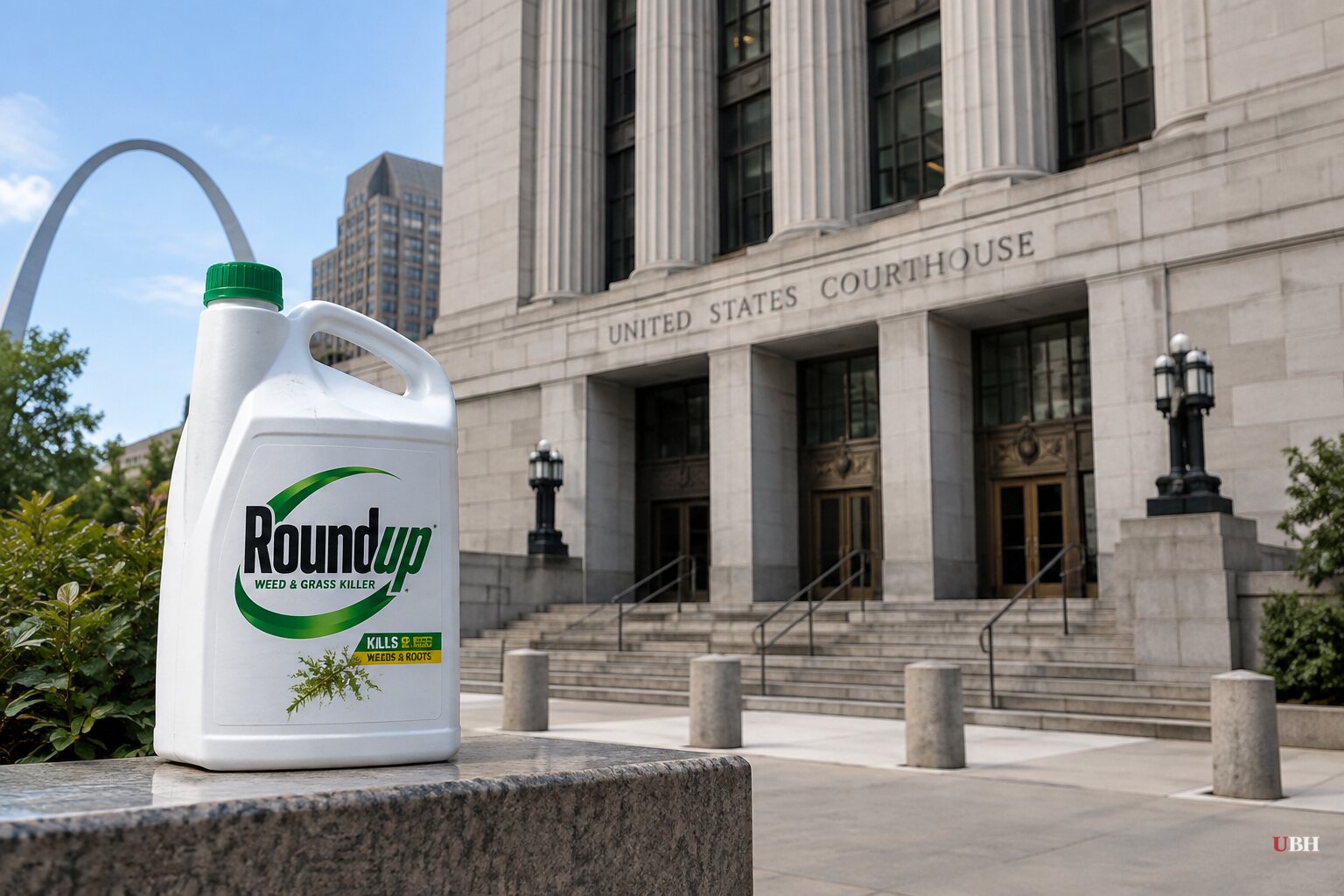
A Missouri judge approved Bayer's $7.25 billion Roundup settlement today, Nov. 20, ending the first phase of what Bayer hopes will be a final chapter in a legal fight that has dragged on for close to a decade.
St. Louis Circuit Judge Timothy Boyer found the deal "fair, reasonable, and adequate" and said it "fully and finally approves the Settlement Agreement in its entirety." Bayer will pay up to $7.25 billion through annual contributions to a fund over as long as 21 years.
What the settlement covers
The nationwide deal covers people who developed non-Hodgkin lymphoma after Roundup exposure, as well as people who are diagnosed in future years. It applies to exposure before the deal was proposed in February.
Average individual payments run from $10,000 to $165,000. The amount depends on the severity of the illness, the claimant's age at diagnosis, and whether the exposure came at home or on the job.
The approved package includes $600 million for attorneys' fees, roughly 8% of the total.
Bayer previously set aside $16 billion for Roundup legal costs. It paid about $10.9 billion in 2020 to resolve most of the lawsuits then pending. A separate $1.25 billion deal for future claims failed to win court approval at that time.
The Supreme Court changed the math
The settlement was announced in February, before the U.S. Supreme Court weighed in. In June, the court ruled 7-2 for Bayer in a case involving John Durnell, a Missouri man who blamed glyphosate for his lymphoma. The justices overturned his $1.25 million jury award.
The majority agreed that the federal pesticide law bars states from imposing failure-to-warn claims. Federal regulators do not require a cancer warning on the label, and states cannot demand one.
That undercut a central pillar of many Roundup lawsuits. Christopher Seeger, the court-appointed plaintiffs' attorney in the settlement, said the path to winning in court has "narrowed." His statement on today's approval said it "delivers guaranteed compensation to Roundup cancer victims who have waited more than a decade for justice."
Bayer CEO Bill Anderson called the approval "a decisive milestone in the company's strategy to mitigate the risks of both pending and future Roundup litigation."
Objections
The deal is not universally popular among the people it is meant to help. Opponents argued the money is not enough. They also said the settlement is designed to trap current and future claimants who would rather take their cases to court.
Some attorneys for cancer patients say the payouts are too small and the limits on future claims too broad. Plaintiffs' lawyers who back the deal say it ensures sick people actually get paid at a time when litigation is more uncertain than ever.
Judge Boyer rejected the argument that payouts are too low because earlier claimants were paid more. He wrote that delaying payments could force victims, including those with terminal cancer, to wait "an indeterminate number of years." He also called the average payouts "fair and adequate" and the total "among the largest in the history of mass tort personal-injury class action settlements." According to the judge, Bayer risked filing for bankruptcy protection if the settlement had been rejected.
The science is still disputed
Bayer denies that Roundup or its active ingredient, glyphosate, causes cancer. The company says decades of studies show it is safe.
The World Health Organization's International Agency for Research on Cancer classified glyphosate as "probably carcinogenic" in 2015. The Environmental Protection Agency has determined it is not likely to cause cancer in humans when used as directed.
Last year, the journal Regulatory Toxicology and Pharmacology retracted a decades-old review that had found Roundup posed no serious health risks. The retraction note cited the omission of carcinogenicity studies that were available at the time, undisclosed contributions by Monsanto employees, and questions over financial compensation.
Bayer has already removed glyphosate from new Roundup products sold for residential use.
What the company still faces
Bayer bought Monsanto, Roundup's maker, for $63 billion in 2018. Its share price has fallen 46% since then. The company has said mounting litigation costs led it to contemplate pulling Roundup from U.S. agricultural markets.
It faces about 65,000 claims in state and federal courts. Roughly 200,000 Roundup-related claims have been made in total.
The settlement excludes cases consolidated in an ongoing federal court proceeding. Bayer says about 200 of those are still being litigated, and it argues the Supreme Court ruling gives it strong defenses.
The approval can be appealed. Whether objectors file one, and how long that holds up payments to the claimants Judge Boyer said should not wait, is the next open question.
Sources used for this briefing
7 links from 7 independent newsrooms (syndicated copies of the same report count once)
These are the sources it draws on, linked so you can verify.


