
Unbiased headlines. Facts, not spin.
Unbiased Headlines is an independently owned news organization. We bring you the facts, not opinions, written fresh from 110+ named sources. Sources linked so you can verify it yourself.
 health
Major Story (8/10)
Event date: November 13, 2026 ·
Six Months In, Congo Ebola Response Lacks Fuel, Pay and Trained Staff, MSF Says; 11,114 Confirmed Cases
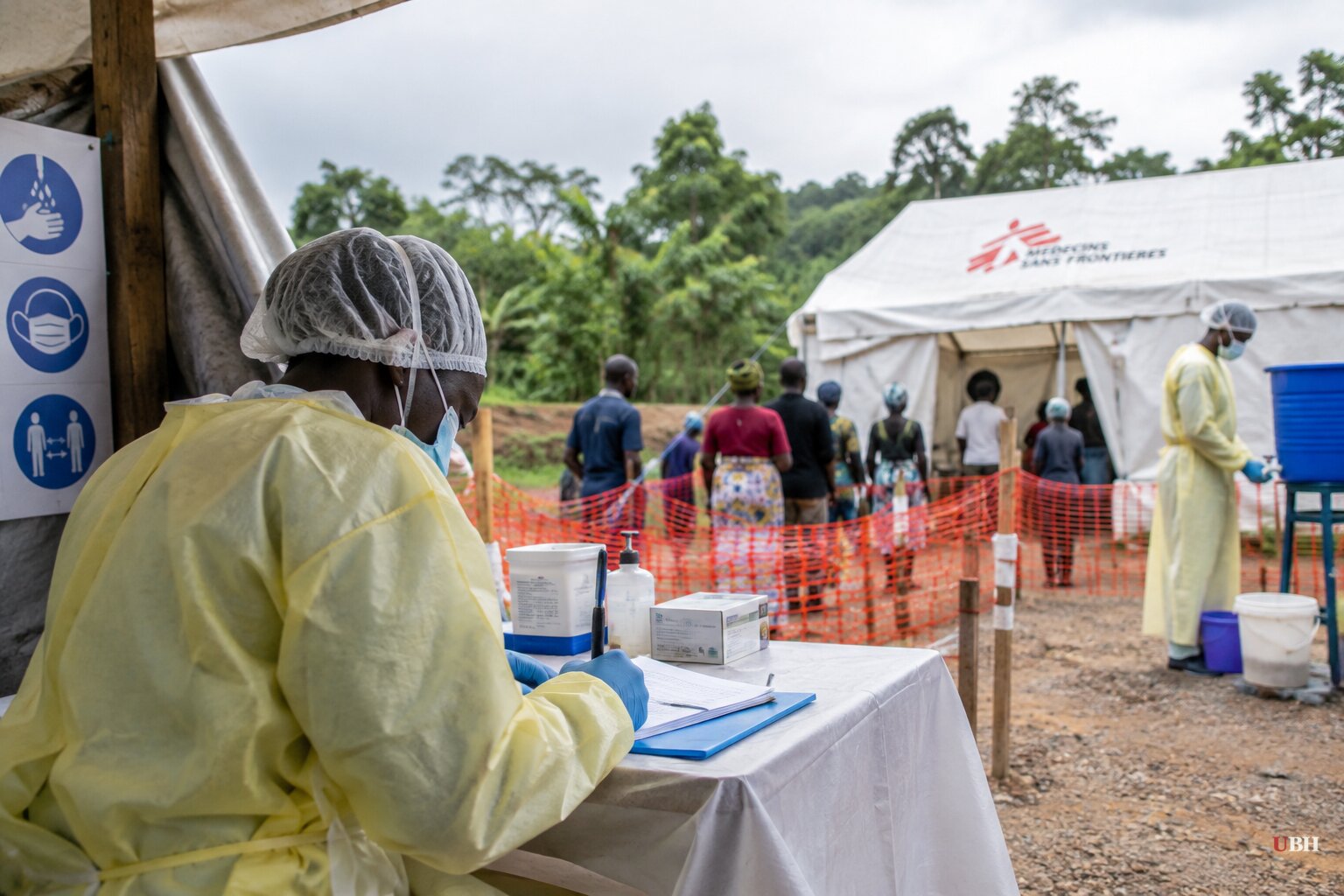
Since Congo declared its Bundibugyo Ebola outbreak on May 15, after 246 suspected cases and 65 deaths in Ituri province, the count has reached 11,114 confirmed cases and 5,433 deaths across eight provinces as of Nov. 11, according to Congo's National Institute of Public Health. That is a case fatality rate of 48.9 percent.
The outbreak is now the deadliest in Congo's history. It has passed the 2018-2020 epidemic, which killed 2,299 people. Across Africa, only the 2014-2016 West African outbreak, with at least 28,600 infected and more than 11,000 dead, is larger.
The newest material is about how the response is running at the six-month mark, and the picture is ugly.
Frontline teams short on basics
Médecins Sans Frontières said Nov. 12 that the outbreak remains out of control and that money is not reaching the people doing the work. "Despite the vast amounts of money provided for the response, many frontline responders are left trying to contain the outbreak with empty hands and empty pockets," said Dr. Javid Abdelmoneim, MSF's international president.
MSF listed specifics. Response staff are untrained and unpaid. Ambulances have no fuel. Health workers lack supplies and technical support to handle suspected cases.
The group also flagged what it called the "persistent failure" of disease surveillance, with "entire areas poorly covered or even completely neglected" despite resources officially allocated to it. MSF did credit authorities and partners with tangible gains, including more isolation and treatment units, but said the shortcomings "remain profound and largely unaddressed."
Congo's government and the WHO did not respond to requests for comment on the MSF statement.
WHO Director-General Tedros Adhanom Ghebreyesus did address some of the same problems at a Nov. 11 member-state briefing in Geneva. He acknowledged delays in paying frontline workers and said "insecurity is now one of the greatest obstacles to the response," listing attacks on responders.
What WHO says has improved
Opening the third meeting of the WHO Emergency Committee on the outbreak, Tedros argued the response has made real progress. Rapid transmission has been halted in most of the early epicentres, he said, and labs able to test for the virus have grown from two to more than two dozen.
He added a warning: "progress in some places is not control of the outbreak as a whole." Between 400 and 500 new cases are still reported every week, he said, and two-thirds of confirmed deaths happen outside Ebola treatment centres, a sign infections are caught too late.
Bloomberg reported that Ebola has been killing roughly 240 people a week for months. It also reported that the town of Biakato, deep in the rainforest, accounted for as many as a quarter of new cases in mid-October.
Spread beyond Congo is limited but real. Kenya has reported nine cases linked to an imported case, including two deaths, and Nigeria has reported one imported case, Tedros said. He also criticised countries that still impose blanket travel restrictions, saying they hinder the response and discourage countries from reporting outbreaks quickly.
Children, women and hunger
Children make up more than a quarter of confirmed cases and a third of deaths. Tedros said seven in ten children under five with confirmed Ebola have died.
CARE, which works in North Kivu, South Kivu, Ituri and Tshopo, said women and girls make up 54 percent of confirmed cases and 59 percent of contacts in the areas where it operates. Women usually provide care for the sick, which raises their exposure.
The group's numbers on the ground are blunt:
- In Tshopo, 53 percent of pregnant women have missed antenatal check-ups.
- In North Kivu, 65 of 578 isolated patients are under five, and 17 infants have been orphaned or separated from Ebola-positive mothers.
- In Bas-Uele, none of 36 isolated suspected cases are receiving nutritional support. There is no licensed treatment for the Bundibugyo strain.
- Blood, lab reagents, ambulance fuel and protective equipment are running low.
CARE said communities tell it that a response blind to hunger, violence and other illnesses "fuels mistrust." William Clemmer, a physician with three decades in Congo and senior regional health adviser for Corus International in Goma, described it as "a systems problem compounded by basically geography, insecurity, conflict, poor roads, mistrust."
The hunger backdrop is getting worse. A new Integrated Food Security Phase Classification analysis projects a record 30.3 million Congolese in Crisis-level acute food insecurity or worse between January and June 2027, up from 26.5 million in the same period of 2026. Nearly 29 million face that level from September to December 2026, including 3.6 million in Emergency, a figure projected to reach 4.2 million by early 2027.
More than 11 million people in North Kivu, South Kivu and Ituri are projected to be in Crisis or worse. "The Ebola outbreak is a crisis on top of a pre-existing crisis," said Ross Smith, the World Food Programme's director of emergency preparedness and response. WFP, FAO, UNICEF and WHO warned that humanitarian assistance is falling dangerously behind growing needs.
What comes next
There is no licensed treatment for this strain, so vaccines are the main hope of changing the trajectory. Tedros said two candidate vaccines developed specifically for Bundibugyo virus will be added to an ongoing vaccine trial in the coming weeks. No start date has been given.
Sources used for this briefing
6 links from 6 independent newsrooms (syndicated copies of the same report count once)
These are the sources it draws on, linked so you can verify.


