
Unbiased headlines. Facts, not spin.
Unbiased Headlines is an independently owned news organization. We bring you the facts, not opinions, written fresh from 110+ named sources. Sources linked so you can verify it yourself.
 health
Notable (5/10)
Event date: November 15, 2026 ·
Gaza boy, 9, with type 1 diabetes in intensive care as mother says she can't afford insulin
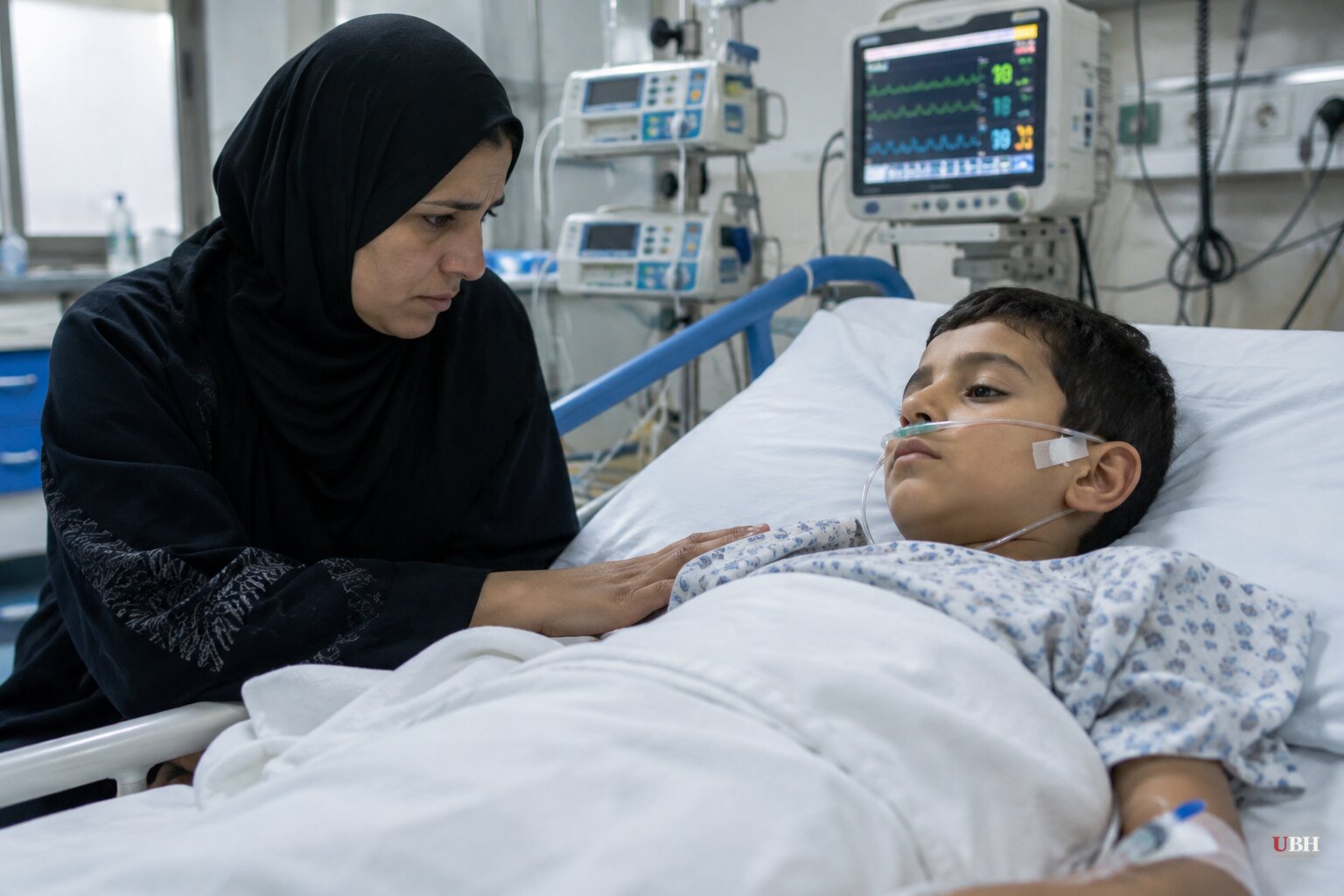
Amir is nine. He has had type 1 diabetes since he was one year old, which means he cannot survive without regular insulin.
Last week he began vomiting repeatedly and complained of severe abdominal pain. His mother, Nahawand, 39, called an ambulance. At a hospital in Gaza City he was admitted to intensive care, where doctors found a dangerous buildup of acid in his blood.
Nahawand says the admission was the most frightening result of months spent hunting for enough insulin to keep her son's blood sugar under control.
Prices she says have climbed
Nahawand told Al Jazeera that before the war a single insulin pen cost 25 to 30 shekels ($7.62 to $9.17), or was free through clinics and aid organizations. A pen now costs 50 to 80 shekels ($15.29 to $24.46).
Test strips have moved the same way. A box of 50 now runs 150 to 200 shekels ($45.87 to $61.17). Before the war, she says, about 150 shekels bought two boxes.
Amir's care is demanding. Nahawand checks his blood sugar roughly every two hours and before meals. Depending on the readings and what he eats, he needs two or three injections a day.
Her husband is out of work. She says she cannot afford insulin for her son "at all."
After months of finding none in Gaza City, she did get supplies brought up from Khan Younis in the south. They had expired.
What the diabetes groups say
The International Diabetes Federation said in August that it was "deeply concerned by the severe restrictions on access to insulin and essential diabetes care in Palestine." It noted that access is especially constrained in Gaza.
Awni Shweikh, executive director of the Haifa Association for Children with Diabetes, says her group speaks for about 800 children with diabetes in Gaza. She has appealed for urgent shipments of insulin pens and blood glucose strips.
The association was founded in 2012 as the first in Palestine devoted to children with type 1 diabetes. It used to give up to 700 children a free box of testing strips every month. It also supplied insulin pens, ran education sessions for families, offered psychological support, and provided insulin to families not covered by UNRWA services.
The wider picture for Gaza's children
Al Jazeera and Nahawand attribute the high prices to what they call Israel's siege of Gaza. Her account is one family's. The prices are her own figures and have not been independently verified here.
The broader numbers on children come from Save the Children's annual global report. It counted nearly 12,500 violations against children in the Palestinian territories in 2025, almost a third of the tens of thousands recorded worldwide. Most were attacks on hospitals and schools and the denial of aid.
The group said one in four children worldwide, about 589 million, lived in conflict zones in 2025, the highest figure documented since 1990.
At least 20,000 children in Gaza have been killed, according to local health authorities. Save the Children's regional director, Ahmad Alhendawi, said conditions have shown little improvement this year.
"What happened and what continues to happen in Gaza are violations at a scale that we haven't seen and needs to be prioritized by the international community," Alhendawi told The Associated Press.
Israel sees its military actions differently. It launched the war after Hamas's Oct. 7, 2023 attacks. It says its continuing strikes, including one on a hospital in Khan Younis last week, target militants and respond to Hamas violations of the ceasefire agreement reached in October 2025.
That ceasefire has not stopped the strikes. Most of Gaza's roughly 2 million people live in crowded tent camps or in the ruins of their homes, with little access to food, water or electricity.
What comes next
No shipment of insulin or test strips has been announced for the children the Haifa association represents. Shweikh's appeal for the roughly 800 families on her list is still open, and Amir is back to the same shortage that put him in intensive care.
Sources used for this briefing
3 links from 2 independent newsrooms (syndicated copies of the same report count once)
These are the sources it draws on, linked so you can verify.


