
Unbiased headlines. Facts, not spin.
Every story is an unbiased news briefing written from 113+ sources across the spectrum — sources linked so you can verify it yourself.
 defense
Major Story (8/10)
September 27, 2026 at 03:49 AM
defense
Major Story (8/10)
September 27, 2026 at 03:49 AM
Trump Says Iran Talks Have 'Momentum' Days After Rejecting Tehran's Hormuz Proposal
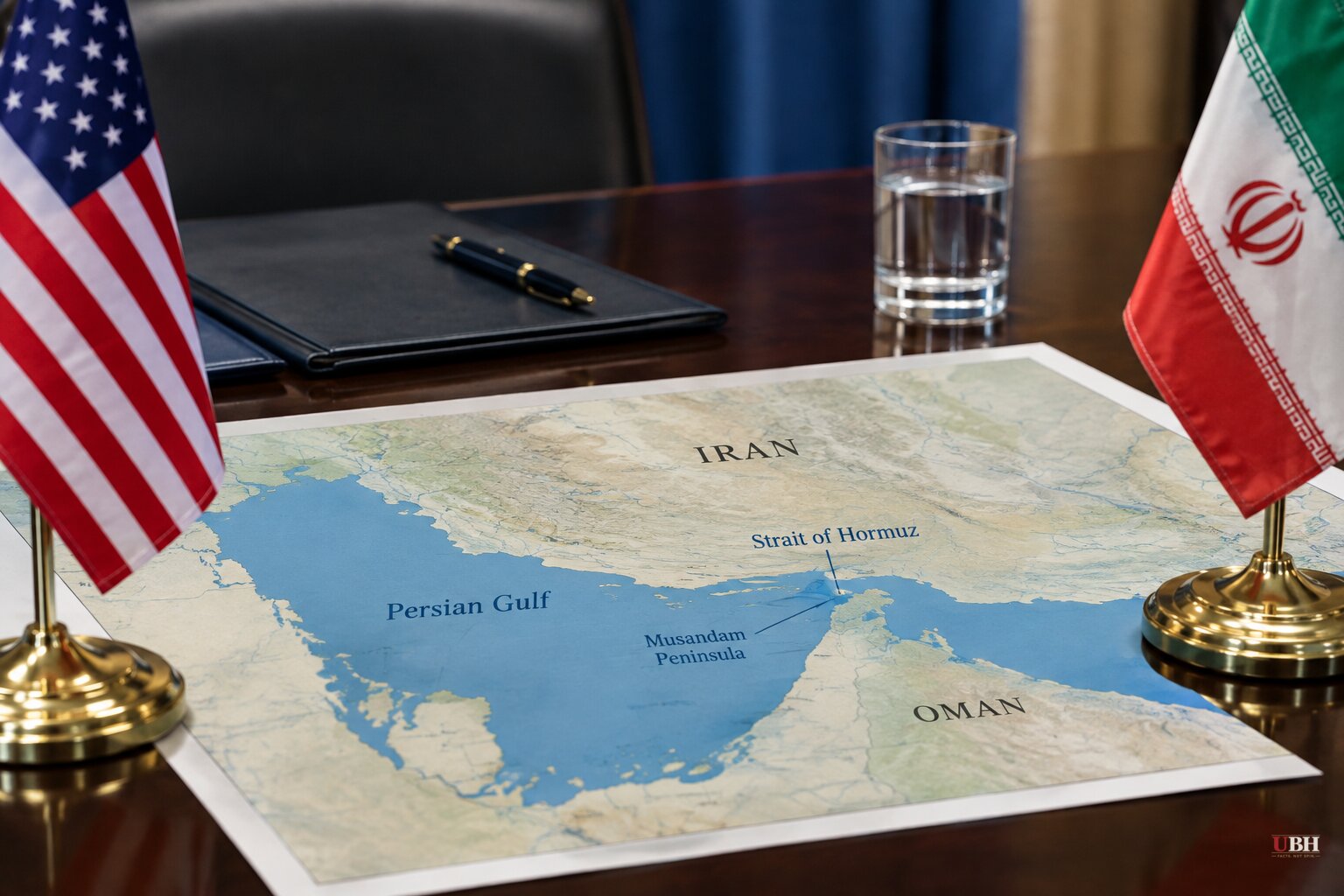
Since the Pentagon's Iran war wounded count climbed to 861 this week with no public casualty briefing from the Defense Department, the diplomatic track has moved faster than the military one. The United Nations General Assembly, wrapping up its annual session in New York, produced the first direct U.S.-Iran contact since June, according to Breitbart, along with a rejected Iranian proposal, competing statements from Tehran's own leadership, and no agreement.
The Three-Hour Meeting
Trump told reporters that talks conducted on the sidelines of the assembly Tuesday "went very well" and lasted three hours, according to Breitbart. U.S. envoy Steve Witkoff and Jared Kushner represented Washington. Witkoff described the format on X: mediators shuttling between the American and Iranian delegations throughout the day. "They successfully completed a round of discussions that we hope will prove constructive and promising," he wrote, adding that the mediators would keep working.
Trump framed the stakes for Tehran in blunt terms, telling Gulf and regional leaders there was "a lot of momentum" toward a deal. "It's greatness, potential greatness, or obliteration," he said, according to Breitbart. "In one case it's obliteration, and the other alternative is potential greatness." Another round of talks has already been scheduled, Trump said, without giving a date.
Iran's Offer, and Trump's Rejection
Iranian state media reported that Foreign Minister Abbas Araghchi met Witkoff and laid out Tehran's terms for reopening the Strait of Hormuz: lifting the U.S. naval blockade, releasing frozen Iranian assets, and ending the war across what Tehran calls the "resistance fronts," Breitbart reported, citing Iranian state television's account of Tehran's "firm positions."
A separate, narrower version of that offer had been described a day earlier by a senior Iranian official who told Reuters that Iran could reopen Hormuz to Gulf shipping within seven days if Washington eased military pressure and lifted the blockade on Iranian ports. The official called the General Assembly a "golden opportunity" for diplomacy.
Despite the momentum Trump described publicly, Al Jazeera reported that he rejected Iran's Hormuz proposal outright. That rejection is the clearest sign yet that the two sides remain far apart on mechanics even where they agree talks should continue. Fox News, citing Reuters, separately reported that Iran said it remained open to diplomacy but that the sides were "far apart on how to reach an agreement."
Tehran's Mixed Signals
Iran's own government is not speaking with one voice. President Masoud Pezeshkian said Iran "no longer trusts talks with Washington," according to Al Jazeera's reporting cited across multiple outlets, even as his foreign minister was actively negotiating through mediators the same week. Araghchi was reported to be waiting on a mediator response regarding Hormuz rather than escalating publicly.
The gap between a president expressing distrust while his foreign ministry keeps a channel open is not explained in any of the available reporting. It may reflect internal disagreement in Tehran over how much to concede, or it may be standard negotiating theater on both sides. Neither has been confirmed.
The Pressure Campaign Behind the Talks
Treasury Secretary Scott Bessent argued the diplomatic movement is a direct result of what he called "sequencing" — six weeks of military strikes, a naval blockade, and financial pressure designed to squeeze Tehran simultaneously. "They're cornered animals," Bessent said on Fox News' "Special Report," adding he expects the regime to "yell uncle" within "a week, a month or two months." He listed three acceptable outcomes: the regime turning on itself, an uprising by the Iranian people, or Iran sticking to a deal this time, unlike the memorandum of understanding reached June 3 that Bessent said collapsed within weeks when Iran began firing on ships in the Strait.
Oil markets reflected the uncertainty. Brent crude fell roughly 0.9% to $102.13 a barrel and West Texas Intermediate dropped about 0.7% to $91.56 in Thursday trading, according to Reuters as cited by Fox News, after both benchmarks had risen 4% the prior session.
The Steelman on Both Sides
Supporters of Trump's approach argue the blockade and strikes have done what years of sanctions alone could not: force Tehran back to a table it walked away from in June. Bessent's sequencing argument is a specific, falsifiable claim, not a slogan. If Iran makes a durable deal within Bessent's own window, it will be a case study in coercive diplomacy.
Skeptics, including the reading implicit in Al Jazeera's coverage, would note that Trump publicly touting "momentum" while simultaneously rejecting Iran's core ask on Hormuz is not obviously progress. It could just as easily be two sides posturing for domestic audiences before the same disagreement resurfaces, as it did after the June memorandum.
On the wider region, a Manhattan Institute analysis published through the Daily Wire argues Iran is increasingly isolated regardless of how these talks go, pointing to Hezbollah's battlefield losses, contracting Iranian influence in Syria, and domestic protests in 2019 and 2022 that exposed disillusionment with the 1979 revolution's ideals. That context helps explain why Tehran might want a deal now, even if it does not resolve the immediate standoff over the blockade.
Neither Washington nor Tehran has set a firm date or location for the next round, and no text of any draft agreement has been made public by either government.
Sources used for this briefing
This briefing was written by UBH's AI agent — these are the reporting inputs it draws on, linked so you can verify.


