
Unbiased headlines. Facts, not spin.
Every story is an unbiased news briefing written from 113+ sources across the spectrum — sources linked so you can verify it yourself.
 defense
Major Story (8/10)
September 26, 2026 at 01:26 AM
defense
Major Story (8/10)
September 26, 2026 at 01:26 AM
Trump Rejects Iran's Seven-Day Cease-Fire Offer, Tells Aides Strikes Likely to Resume After Midterms
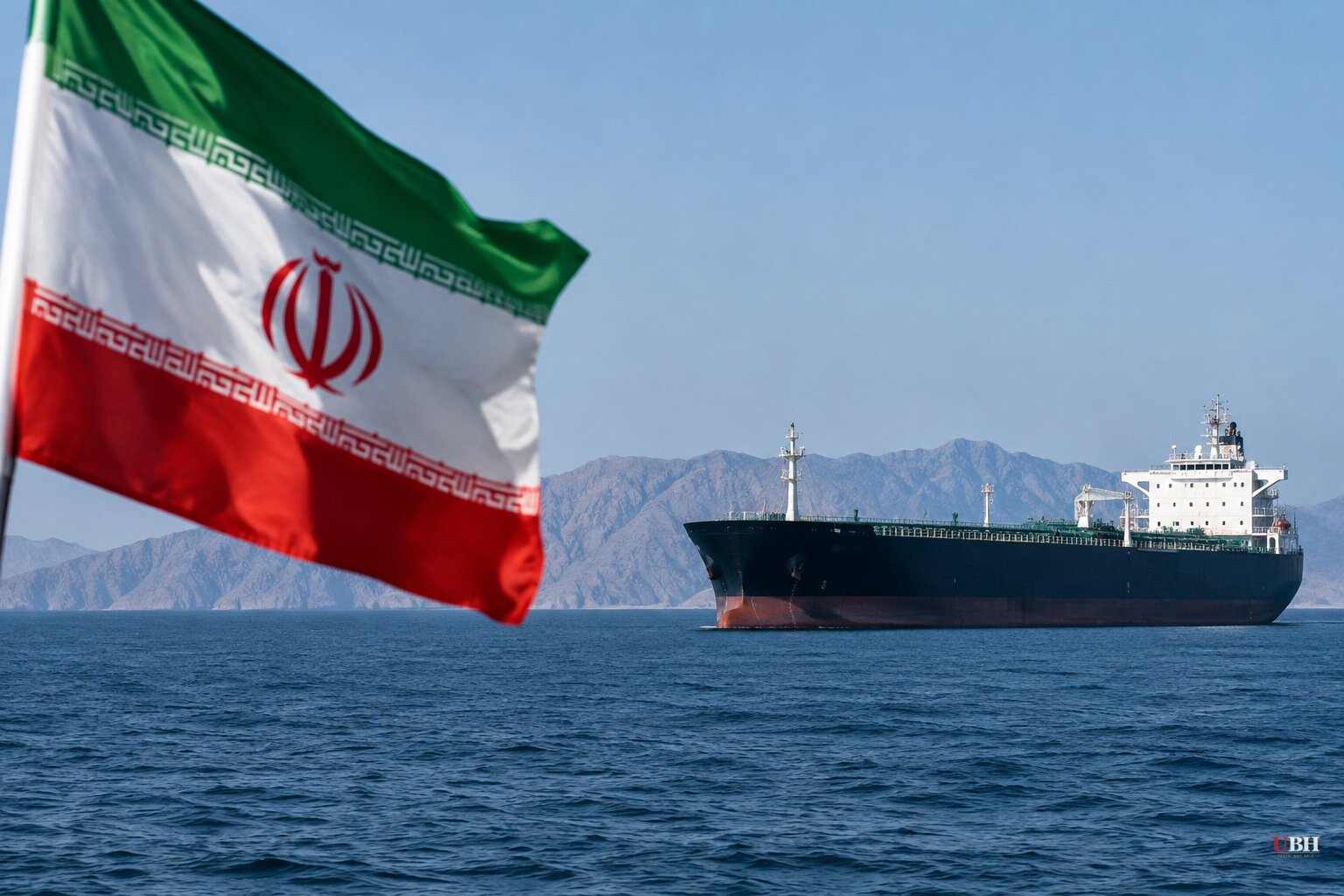
Since Iran's foreign minister floated a seven-day plan to reopen the Strait of Hormuz at a private UN sidelines gathering Thursday, the offer has run straight into a wall in Washington.
President Trump rejected the proposal and told aides he expects the U.S. military to resume strikes on Iran after the November midterm elections, according to the Wall Street Journal, which cited unnamed U.S. officials. The report was picked up and confirmed independently by the Jerusalem Post, Iran International, Ynet and the New York Post, all citing the same WSJ account.
Iran's offer, detailed by Foreign Minister Abbas Araghchi at a private gathering on the sidelines of the UN General Assembly according to PBS, would reopen Hormuz and restart nuclear talks in exchange for the U.S. lifting its naval blockade of Iranian ports, waiving oil sanctions, unfreezing assets and observing a cease-fire that includes Lebanon. It's essentially a faster version of a Memorandum of Understanding from June that called for a 60-day interim period and collapsed when Iran resumed attacks on shipping.
Araghchi made clear at the UN that Tehran sees Trump's political calendar as leverage. "It would be much better if it is done before the midterm election," he told reporters Thursday, according to the Jerusalem Post. "It depends on the US administration to decide." He also drew a hard line on sovereignty: "Iran will not surrender its sovereign rights under pressure," he said Friday, adding the strait won't reopen until Iran's conditions are met.
Why Trump said no
Trump's skepticism, per the officials cited by the Journal, centers on doubt that Iran will actually follow through on dismantling its nuclear program. Iran International reported that Trump is also reluctant to launch major renewed combat operations partly because the Pentagon wants to preserve dwindling munitions stocks for other contingencies, though officials said his position could shift in coming weeks.
That reluctance to fully commit either way, rejecting the cease-fire while not immediately escalating, tracks with a Senate vote earlier in the week. Lawmakers rejected a resolution to block Trump from ordering further Iran strikes on a 49-50 vote, after Republicans Rand Paul, Susan Collins, Lisa Murkowski and Thom Tillis broke ranks to vote with Democrats, according to the Washington Post. Democrat John Fetterman voted against it. The measure's failure leaves Trump's authority to resume strikes legally intact regardless of what happens with Iran's offer.
Iran's own hardliners aren't budging either
The rejection isn't happening in a vacuum where only Washington is inflexible. Iranian lawmaker Mohammad Saleh Jokar, who chairs parliament's Committee on Internal Affairs and Councils, told the IRGC-affiliated Fars news agency this week that Iran won't back down from enriching uranium to 60%, calling it "a fundamental national right." A senior Iranian official separately told Reuters that Tehran will show no flexibility on its nuclear program even if the U.S. accepts its seven-day proposal. That's the core of the standoff: Iran wants sanctions relief and the blockade lifted now, while treating enrichment levels as non-negotiable sovereignty, and Trump wants dismantlement guarantees before any of that happens.
UN Secretary-General António Guterres offered a notably different read after meeting Iranian President Masoud Pezeshkian, saying "based on assessments, I believe Iran is not seeking to acquire nuclear weapons," according to Iran's state news agency IRNA. Guterres said he'll travel to the region next week to press regional governments to back the diplomatic track, and he framed keeping Hormuz open as a matter of global food and economic security, not just a Middle East dispute.
A person familiar with the matter told the Associated Press, as reported by PBS, that Saudi Arabia is skeptical of the latest push for a deal. Trita Parsi of the Quincy Institute told PBS that a fast agreement could hand Trump political benefit and lower gas prices before the midterms, but that "deep suspicion" persists in Washington that Iran is simply buying time to move more oil before any sanctions snapback.
The pressure is spreading beyond Iran and the U.S.
The standoff's ripple effects were on display across multiple fronts Friday. European Commissioner for Energy Dan Jorgensen wrote to EU energy ministers warning of a "price crisis" tied to a supply crisis from the war, urging member states to curb gas and electricity demand, according to a letter reviewed by Reuters. U.S. Central Command said its blockade has redirected seven commercial vessels from the strait in the past two days.
Pakistani Prime Minister Shehbaz Sharif told the UN General Assembly that any further attack on Mecca would be a "red line" for Islamabad, following a Houthi drone strike toward Saudi Arabia last week that Riyadh blamed on the Iran-backed group and the Houthis denied. Yemen's Presidential Leadership Council chief Rashad al-Alimi called for "general mobilization" against the Houthis, who seized the country's entire Red Sea coast in recent weeks. In Iraq, Iran-backed militia leader Akram al-Kaabi threatened airport sit-ins over Baghdad's restrictions on Iranian airlines, a dispute Iraqi Foreign Minister Fuad Hussein said he intends to raise directly with Washington.
The White House said Friday that talks with Iran through mediators remain "positive and constructive" and that the U.S. continues to facilitate oil exports through the strait, a claim Iran disputes given its blockade complaints. Whether that diplomatic channel survives Trump's rejection of the seven-day plan, or whether strikes actually resume once midterm votes are counted in November, is the open question nobody in Washington, Tehran or Riyadh can answer yet.
Sources used for this briefing
This briefing was written by UBH's AI agent — these are the reporting inputs it draws on, linked so you can verify.


