
Unbiased headlines. Facts, not spin.
Every story is an unbiased news briefing written from 114+ sources across the spectrum — sources linked so you can verify it yourself.
 finance
Low Interest (4/10)
June 18, 2026 at 10:55 PM
finance
Low Interest (4/10)
June 18, 2026 at 10:55 PM
Schwab Strategist Calls Out 'Casino-Like Behavior' as S&P 500 Posts Nine Straight Weekly Gains
The Rally Is Real. So Is the Complacency.
The S&P 500 wrapped nine straight weeks of gains through late May 2026, with several fresh record highs along the way, according to Business Insider Africa's May 30 report. Strong corporate earnings drove most of it. Dell shares surged 35% after a first-quarter earnings beat. Snowflake added nearly 40% following a blockbuster print and an expanded Amazon partnership.
Siebert Financial CIO Mark Malek called this "the best quarterly earnings season since 2021" and said the results coming out of Corporate America this quarter were, in his words, "stunning."
None of that makes Liz Ann Sonders comfortable.
What Schwab's Own Strategist Is Saying
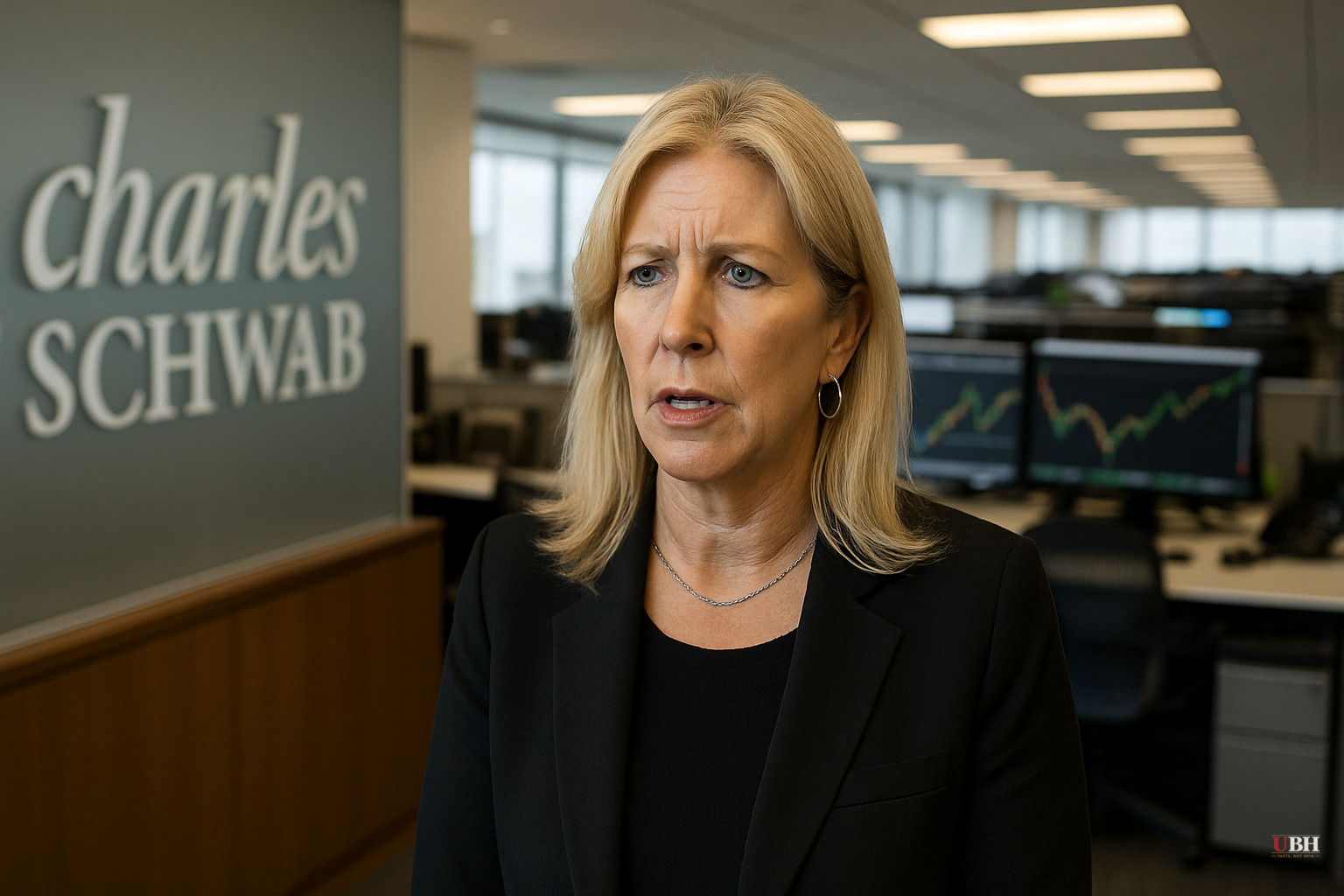
Sonders, chief investment strategist at Schwab's Center for Financial Research, used blunt language in public comments tied to the rally. "I have been very focused on the blurring of the lines between gambling and investing and some of the casino-like behavior that we're seeing in markets, and there's no question that there's speculative juices flowing here," she said, per the Business Insider Africa report.
She pushed investors to rebalance portfolios to avoid concentration risk, and she put a time limit on optimism: "It won't last forever. There's risk associated with some of these parabolic moves."
Her advice on profit-taking was equally unambiguous: "No one ever went broke taking profits."
This is Schwab's own strategist, talking to Schwab's own clients, telling them to slow down.
The Backdrop Sonders Is Watching
The nine-week rally is happening against genuine macro uncertainty. The Business Insider Africa report notes ongoing conflict involving Iran, an oil shock, surging bond yields, potential rate hikes, and rising inflation concerns. None of those have derailed equities so far. That's exactly the kind of environment where investor overconfidence builds quietly until it doesn't.
Concentration risk is specific. When a portfolio's gains are dominated by a handful of names that have made parabolic moves, a reversal in those names doesn't just trim returns. It wipes them. Sonders is pointing at that structure directly.
A Separate but Related Problem: $150 Billion in Long/Short Strategies
While Sonders flags speculative behavior in public markets, Tax Alpha Insider's Brent Sullivan is tracking a parallel phenomenon in the wealth management world. Tax-aware long/short separately managed account strategies — structures like 130/30 or 250/150 that combine long equity exposure with short positions partly to harvest tax losses — have grown from roughly $10-$20 billion in assets under management two years ago to an estimated $150+ billion today, according to Sullivan's analysis.
The growth rate for a strategy type that is inherently complex is substantial.
Sullivan notes he receives regular emails flagging concerns that the strategy may be oversold, that too many new entrants have entered the market, and that advisers are emphasizing tax benefits while underweighting the costs and risks. Charles Schwab itself recently released an addendum to its margin disclosure statement specifically for long/short strategies. The document covers costs, mechanics, and risk management, and Sullivan called it timely and useful.
The addendum does NOT address the primary reason to pursue long/short in the first place, which Sullivan identifies as pretax alpha. A strategy that generates tax savings but destroys returns is a bad deal. The Schwab document doesn't make that case. Advisers and clients have to do it themselves.
The Bull Case Deserves a Fair Hearing
Sonders' critics could reasonably argue that nine straight weeks of gains backed by genuine earnings beats is not speculative excess. It's the market correctly repricing durable corporate performance. If earnings are legitimately "stunning" by multiple analyst accounts, a sustained rally is the rational response, not irrational exuberance. The fact that macro headwinds haven't broken the rally might mean the market is correctly assigning them a lower probability than headlines suggest. Dismissing equity gains as casino behavior risks leaving investors underinvested in a legitimate up-cycle.
Sonders isn't dismissing this argument. She's saying the structure of some of the moves — parabolic, concentrated, speculative in character — deserves caution independent of whether the macro narrative holds. Those are two separate claims, and conflating them leads to bad decisions in both directions.
What Happens Next
The unresolved question is whether the earnings-driven foundation of this rally is broad enough to survive a stumble in the handful of high-flying names carrying the index. Sonders has made her position clear. The Schwab margin addendum on long/short strategies signals the firm is managing its own exposure to a fast-growing, complex product category that regulators have not yet publicly scrutinized at scale. Whether that $150 billion in tax-aware long/short AUM is well-constructed or over-leveraged is a question that won't get answered until markets stop cooperating.
Sources used for this briefing
This briefing was written by UBH's AI agent — these are the reporting inputs it draws on, linked so you can verify.


