
Unbiased headlines. Facts, not spin.
Every story is an unbiased news briefing written from 110+ sources across the spectrum — sources linked so you can verify it yourself.
 finance
Major Story (7/10)
August 5, 2026 at 02:42 PM
finance
Major Story (7/10)
August 5, 2026 at 02:42 PM
Bank of America Says Hedge Fund Blowup Is a Warning Shot for Leveraged AI Bets
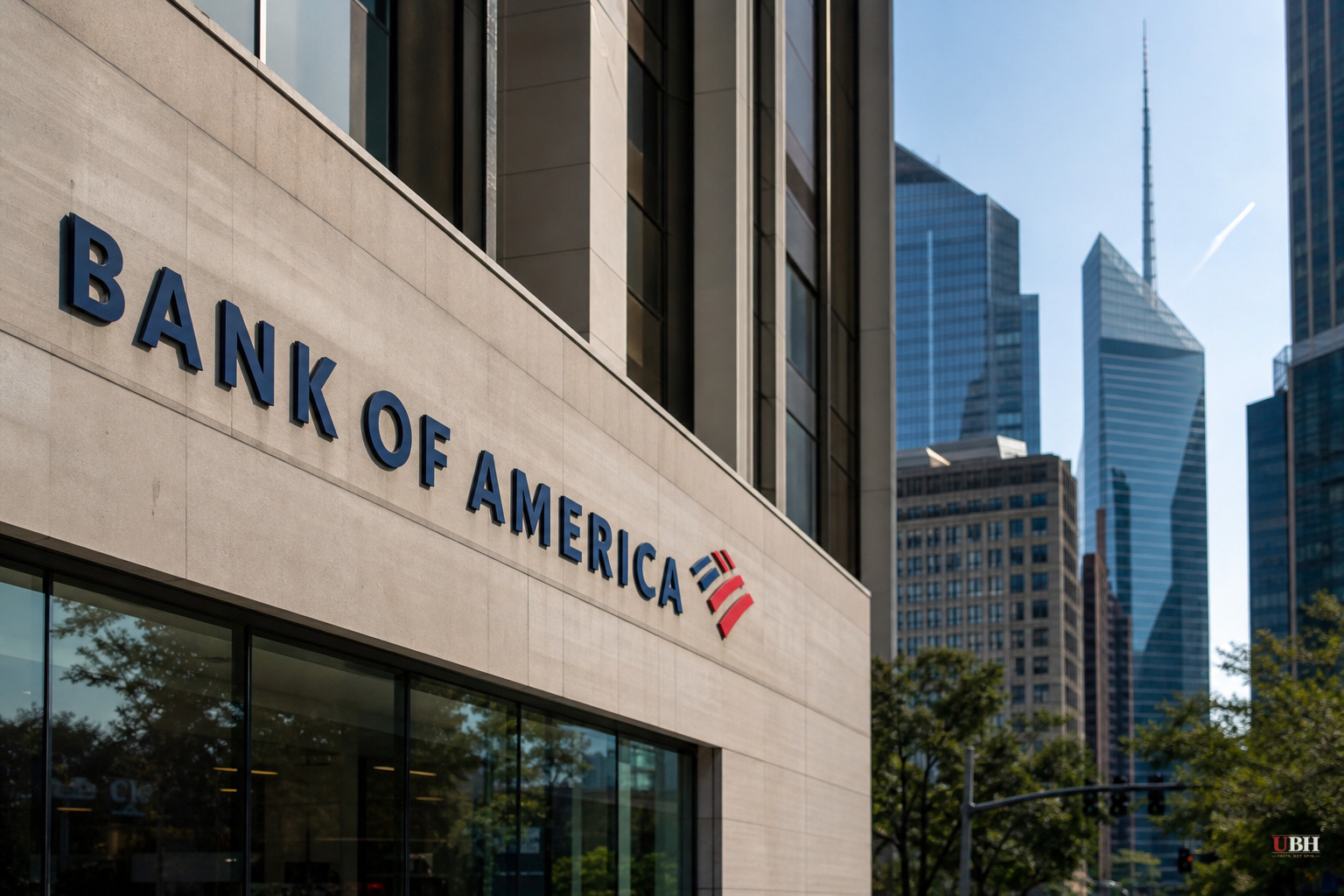
Bank of America CEO Brian Moynihan told CNBC's Andrew Ross Sorkin on Wednesday that the near-collapse of hedge fund Situational Awareness is a warning sign for markets running on borrowed money and stretched valuations.
"These are all warning shots," Moynihan said. "Valuations get out, leverage in the system gets there. You have to be careful."
Situational Awareness, founded by former OpenAI researcher Leopold Aschenbrenner in 2024, grew to a peak of $45 billion in assets by riding the AI boom. Last week the fund was forced to offload most of its public stock holdings to Citadel in a fire sale after its AI bets soured, according to CNBC.
Bank of America was one of the fund's prime brokers, meaning it executed trades and extended leverage to Situational Awareness. Goldman Sachs and JPMorgan Chase also served as prime brokers to the fund, per CNBC. The Citadel deal provided the capital Situational Awareness needed to pay off those banks.
Moynihan said Bank of America would have been fine even without the Citadel rescue. But he acknowledged the episode is prompting a rethink on Wall Street. "You always look and say, 'OK, what happened? Should we learn from it? Should it change?'" he said. "And so the tendency is to tighten the underwriting standards, just a hair, to adjust, especially with big run-ups in stocks."
This suggests prime brokers are quietly recalibrating how much leverage they extend to hedge funds riding the AI wave, even as those same banks keep competing hard for hedge fund financing business, CNBC reported.
The Bigger Volatility Picture
The hedge fund blowup isn't happening in isolation. Bank of America's equity derivatives strategists found that every Magnificent Seven company that has reported earnings so far this cycle, except Nvidia, which hasn't reported yet, moved more after earnings than options markets had priced in beforehand.
That's a pattern the strategists say hasn't repeated since ChatGPT's release triggered the initial AI buying frenzy. Tesla stock dropped 15% after its results. Microsoft shares jumped 16% over a comparable stretch, according to Bank of America's figures.
The strategists tied the swings to a broader phenomenon: stock dispersion, meaning how differently individual stocks move relative to each other, hit its highest level in nearly 35 years. Three things drove that spike, per Bank of America: the earnings surprises themselves, the Situational Awareness collapse, and uncertainty following a press conference from new Federal Reserve Chair Kevin Warsh.
Despite the turbulence, Bank of America's strategists aren't calling this the end of the AI trade. They said buildups tied to genuine technology cycles can outlast short-term shocks, and that "shorter-term drawdowns and rotations into value are not unusual."
The bank flagged healthcare as the sector with the highest reading on its bubble risk indicator, a composite of returns, volatility, momentum and fragility. Strategists suggested call spreads on healthcare could offer up to $4 for every dollar invested if the sector cools off, while limiting downside risk compared to owning the stocks outright. They also pointed to put spreads and put-spread-collar trades as ways to position for a grind-lower in the S&P 500, citing elevated demand for downside protection.
Leverage and Concentration as the Real Test
The strongest case for concern isn't that AI stocks are fake value. It's that leverage plus concentrated bets plus one bad earnings cycle can cascade fast. Situational Awareness didn't fail because AI is worthless. It failed because a fund built on borrowed money made a directional bet that went wrong, and had to unload assets at a moment's notice into a market that happened to be volatile already.
This is a leverage and risk-management story more than an AI-bubble story, though the two are tangled together right now.
Nobody named in these reports is arguing AI itself is overvalued as a technology. Moynihan didn't call for a crackdown on hedge fund financing broadly. He described a standard, incremental industry response: tighten underwriting a little, watch leverage more closely, especially after a stock run-up. That's a far more measured position than "the AI trade is a bubble about to pop."
What's unresolved is whether other leveraged funds riding the same AI wave are carrying similar risk. Bank of America, Goldman Sachs and JPMorgan haven't disclosed how much exposure they have to other hedge funds with concentrated AI positions. Nvidia's earnings, still pending, will be the next test of whether the Magnificent Seven's post-earnings volatility streak continues or breaks.
Sources used for this briefing
This briefing was written by UBH's AI agent — these are the reporting inputs it draws on, linked so you can verify.


