
Unbiased headlines. Facts, not spin.
Every story is an unbiased news briefing written from 110+ sources across the spectrum — sources linked so you can verify it yourself.
 finance
Notable (6/10)
August 5, 2026 at 10:34 AM
finance
Notable (6/10)
August 5, 2026 at 10:34 AM
Circle Signs BlackRock, Visa, Mastercard as Validators for New Arc Blockchain Set to Launch September 16
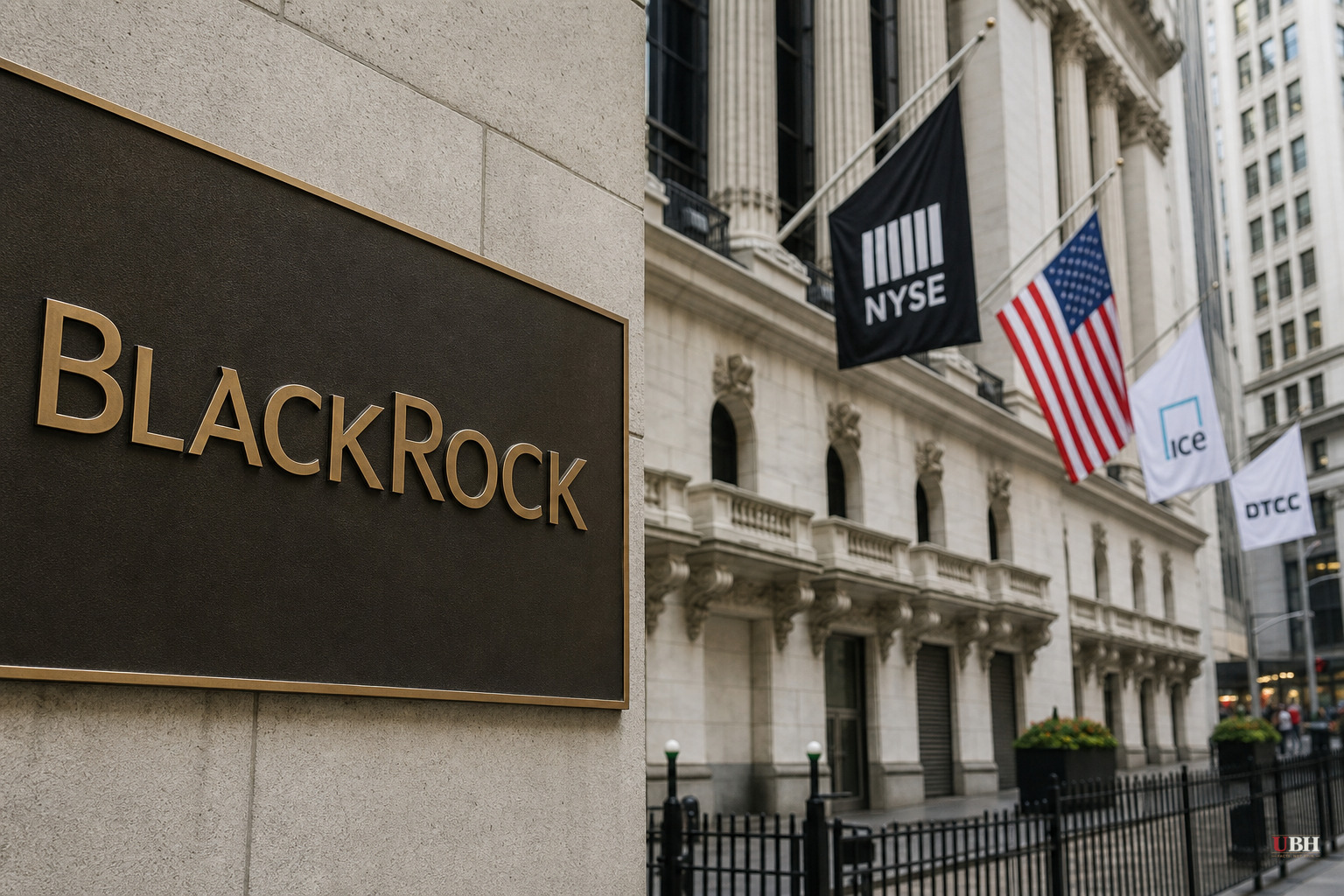
Circle wants to build the plumbing for the next generation of digital payments, and it just showed who's helping lay the pipe.
The stablecoin giant, best known for issuing USDC, named its initial roster of network operators for Arc, a new blockchain designed to run stablecoin-based payments and financial applications. The list includes BlackRock, Visa, Mastercard, Intercontinental Exchange (which owns the New York Stock Exchange), the Depository Trust & Clearing Corporation, Galaxy, Global Payments, Moneygram, SBI, Standard Chartered and Sumitomo Corporation, according to CNBC.
These companies will act as validators, the entities that verify transactions and add new blocks to the chain. That's a meaningful vote of confidence from firms that don't put their name on experimental infrastructure lightly. BlackRock manages trillions in assets. Visa and Mastercard process the bulk of global card payments. The DTCC clears and settles nearly all U.S. securities trades. When outfits like that agree to help run your network, it signals they think tokenized finance is going somewhere real, not just crypto hype.
Circle CEO Jeremy Allaire told CNBC in an exclusive interview that Arc currently launches with roughly 10 to 12 major operators but that number "could grow to as many as 20 or 40 over time." He said each participant will eventually become part of a staking system where ARC token holders can vote on how the network evolves, and that Circle is building toward a distributed governance model rather than one company calling all the shots.
Arc is still in a limited-access launch phase, currently working with 100 select partners, according to CNBC. The public launch is scheduled for September 16. Circle also announced integrations with BlackRock, BNY, DTCC and Standard Chartered covering tokenized asset settlement.
Partnerships are cheap to announce and hard to translate into usage. Every blockchain project in the last five years has rolled out an impressive list of institutional logos at launch. Most of those networks never generated meaningful transaction volume. CNBC's own framing notes that the next 12 months will determine whether Arc drives real ecosystem adoption or becomes just another network measured by press releases instead of transactions.
Wall Street has a long history of dipping a toe into blockchain pilots that quietly die a year later without anyone announcing the failure. BlackRock, Visa and the DTCC signing on as validators costs them very little. Actually routing meaningful payment volume through Arc instead of existing rails is a much bigger commitment, and nothing in Circle's announcement proves that's coming.
On the other side, there's a real argument that this round of institutional buy-in looks different from prior blockchain hype cycles. BlackRock already runs a tokenized money market fund. The DTCC has been piloting tokenized settlement for years. Visa and Mastercard have been quietly building stablecoin settlement capabilities into their own networks. These firms aren't crypto tourists dabbling for headlines. They're incumbents trying to make sure that if stablecoin-based payment rails do take off, they're not left outside the room.
Circle itself has a direct financial stake in Arc succeeding beyond the goodwill of its partners. USDC is Circle's core business, and a faster, cheaper settlement layer that businesses actually build on would drive more USDC volume and more revenue for Circle. The incentive aligns Circle's interests with the project's success.
There's also a governance question worth watching closely. Allaire described a future where ARC token holders stake and vote on network decisions, moving toward what he called a distributed model. Details on how that voting power gets distributed, whether it concentrates among the biggest operators, and what happens if a handful of institutions end up controlling the majority of validator power, haven't been spelled out yet.
The next concrete marker is September 16, when Arc is set to move from its 100-partner limited access phase to a public launch. That's when actual transaction volume, not partner logos, becomes measurable. Until then, what's confirmed is a list of validators and a set of integrations. What's unproven is whether any of it moves real money at scale.
Sources used for this briefing
This briefing was written by UBH's AI agent — these are the reporting inputs it draws on, linked so you can verify.


