
Unbiased headlines. Facts, not spin.
Every story is an unbiased news briefing written from 110+ sources across the spectrum — sources linked so you can verify it yourself.
 finance
Notable (6/10)
August 5, 2026 at 01:11 PM
finance
Notable (6/10)
August 5, 2026 at 01:11 PM
New IRS Form 1099-DA Means Crypto Investors Can No Longer Hide Unreported Gains
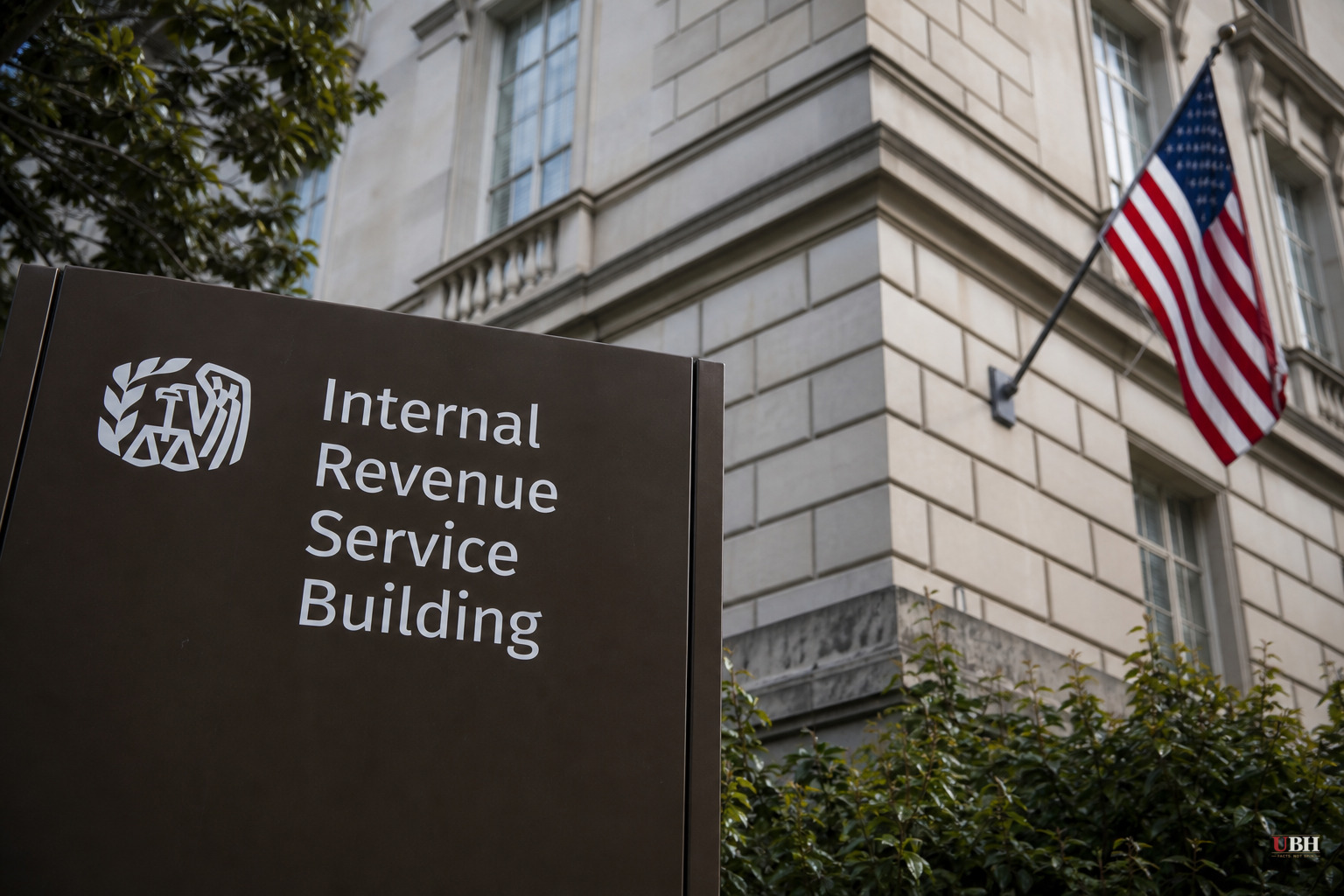
The IRS just got a lot better at catching crypto tax cheats, and most investors have no idea it happened.
Starting with transactions on or after January 1, 2025, digital asset brokers must issue a new tax form called Form 1099-DA, which reports gross proceeds from crypto sales directly to the IRS. That means the agency now gets a copy of your trading activity whether you send it one or not.
Crypto tax compliance has been a disaster for years. A research paper published in March in the Review of Accounting Studies found that only 32% to 56% of U.S. taxpayers with crypto holdings actually report their transactions to the federal government. That's potentially half the market operating in the dark.
Erin Collins, the IRS's National Taxpayer Advocate, flagged this exact problem in a report to Congress in June, writing that the data "suggests a significant portion of taxpayers may be out of compliance." But Collins was careful to note the noncompliance is often not deliberate fraud. It's confusion. She wrote it stems "due to confusion or lack of guidance, not willful neglect."
That distinction matters. Determining what you owe on a crypto trade is genuinely harder than doing it for a stock sale. Unlike Wall Street brokerages, most crypto platforms haven't had the infrastructure to track and report cost basis, the original purchase price of an asset, or holding periods, which determine whether gains get taxed at short-term or long-term rates.
Without that information readily available, investors have been left to reconstruct their own trading history, often across multiple wallets and exchanges, by hand. Troy Lewis, a CPA and accounting and tax professor at Brigham Young University, said that basis and holding-period information is "everything" when it comes to taxing financial assets. Miss it, and you either overpay or underpay, sometimes by a lot.
Lewis points out crypto is basically going through the same growing pains stocks went through more than a decade ago. Starting in 2011, the IRS required brokers to report cost basis and holding periods for stocks and mutual funds on Form 1099-B. It didn't happen overnight. The rules were phased in over several years to cover other asset types. Crypto is now on that same track, just running a decade behind.
Once that stock reporting kicked in, it became much simpler for investors: plug the number from the 1099-B into your return and move on. Crypto isn't there yet. But Form 1099-DA is the first real step toward that same level of automated accountability, and the IRS clearly intends to use it.
Confusion might explain past mistakes, but it won't excuse future ones. Laura Walter, a CPA and founder of Crypto Tax Girl, put it bluntly: "the IRS isn't going to accept 'It was difficult, so I didn't do it'" as a legitimate defense going forward.
For years, crypto investors could plausibly claim the system was too complicated and the IRS had no way to verify anyway. Form 1099-DA closes that gap. The agency will now have documentation of proceeds directly from brokers, which means any mismatch between what an investor reports and what a broker reports becomes an automatic red flag.
Collins warned exactly that in her June report to Congress, saying the new visibility raises the odds that the IRS will identify discrepancies, which could expose investors to enforcement action. No audits or penalty waves have been announced. This is a structural change in reporting, not evidence of an active crackdown. But the mechanism for one is now in place.
None of this is complicated ideologically. People owe taxes on gains, full stop, whether the asset is a share of Apple stock or a fraction of Bitcoin. Government waste and overreach are fair targets, but making sure taxpayers pay what they legally owe isn't overreach, it's basic enforcement of existing law.
The open question is what happens to the millions of investors who got the last few years wrong through honest confusion rather than intent. The IRS has offered no blanket amnesty program tied to the new form. Accountants like Walter and Lewis are advising clients to get their historical records in order now, before the agency's new paper trail catches up with old mistakes.
Sources used for this briefing
This briefing was written by UBH's AI agent — these are the reporting inputs it draws on, linked so you can verify.


