
Unbiased headlines. Facts, not spin.
Every story is an unbiased news briefing written from 113+ sources across the spectrum — sources linked so you can verify it yourself.
 defense
Major Story (8/10)
October 1, 2026 at 11:44 AM
defense
Major Story (8/10)
October 1, 2026 at 11:44 AM
Reuters Identifies Three Tankers Hit in Hormuz Attack as Trump Says He Offered Iran 'Nothing' to End the War
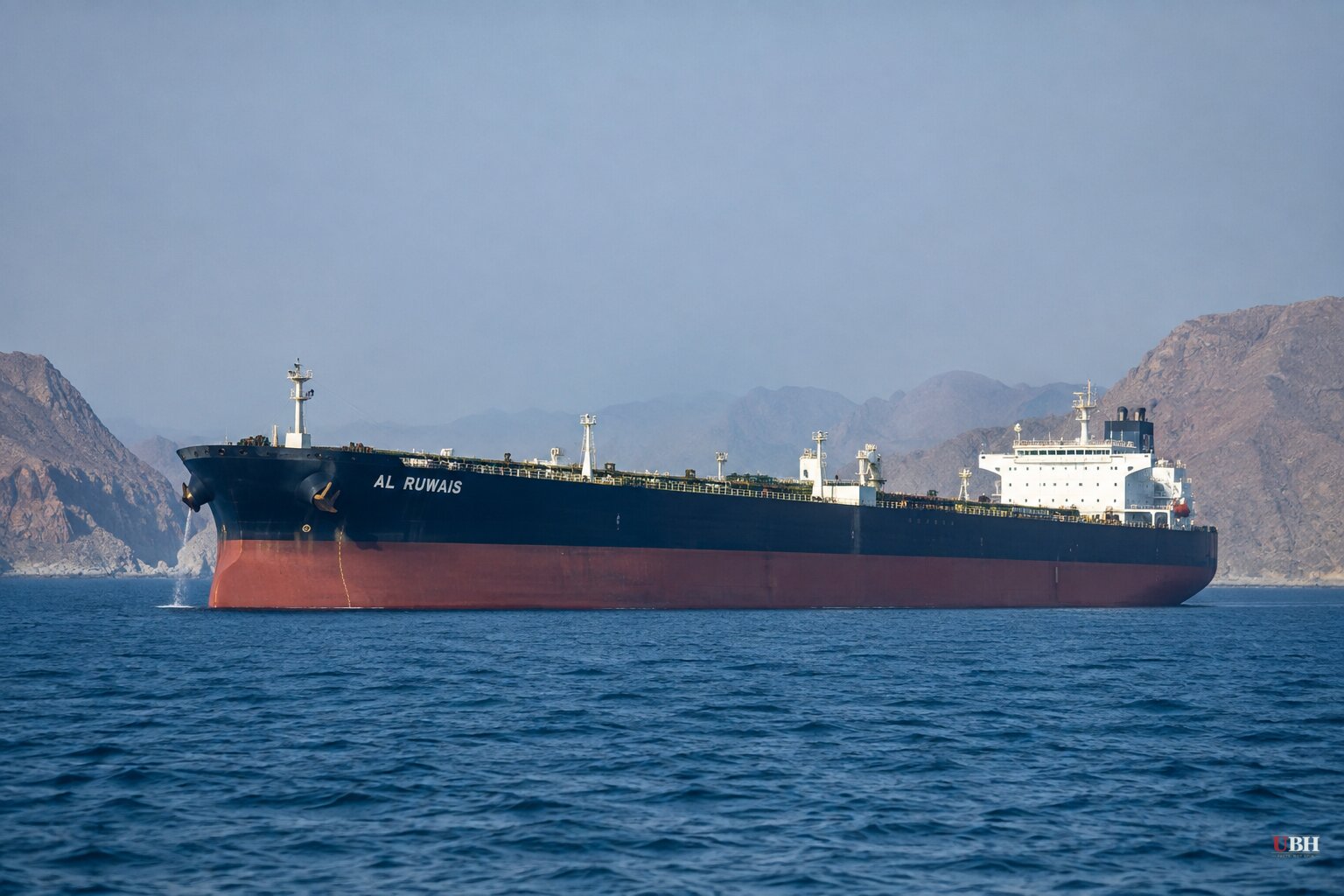
Three tankers named, attacker still unconfirmed
Since the Strait of Hormuz conflict entered its seventh month this week, Iran has kept striking individual tankers even as its ability to actually choke off the waterway keeps slipping. The latest confirmation came Wednesday night, when shipping intelligence service Marisks identified the three tankers hit by unknown projectiles on Wednesday, September 30.
They are the oil products tanker Al Ruwais, the very large crude carrier Mersin Prosperity, and the Aframax tanker Sinbad, according to Marisks and data from analytics firm Kpler, carried by Reuters and published by Baird Maritime, MarineLink, and CNBC Africa. All three are Liberian-flagged and were running with their AIS transponders switched off to avoid detection when they were hit.
Kpler's tracking shows Al Ruwais had completed a ship-to-ship transfer off Sohar, Oman, in late September to discharge diesel. Mersin Prosperity, managed by ADNOC Logistics and Services, moved two million barrels of Iraqi Basrah crude in a ship-to-ship transfer off Sohar in mid-September. Sinbad, managed by Anglo-Eastern Tanker Management, had loaded refined products at Saudi Arabia's Jubail port in early September. ADNOC declined to comment. Anglo-Eastern did not respond to a request for comment.
Maritimes Executive reported earlier on the same incident with an unconfirmed claim that one of the vessels was an LNG carrier. The Reuters-sourced reporting makes no mention of an LNG carrier and instead identifies all three as oil tankers. Neither the Marisks report nor Reuters states who fired on the vessels.
Iran's own Fars News Agency claimed Wednesday that warning shots were fired at vessels "violating" the strait, tying that to reported explosions near Qeshm Island. IRGC spokesman Brigadier General Hossein Mohebbi told Wana News Agency that Iran controls the strait and that any vessel transiting without permission will either be targeted or hit a mine. No independent source has confirmed Iran fired on these specific three tankers.
Traffic keeps rising despite the threats
Windward's Middle East Desk Lead, Zane Amundsen, assesses that Iran is "less able to constrain southern-corridor traffic than it was in mid-summer," even as individual ships keep getting hit. Windward counted 17 vessels transiting Hormuz on September 29 and 16 the day before, with roughly two-thirds of oil volume now moving via ship-to-ship transfers rather than direct transits. Kpler separately found more than 70% of crude crossing the strait in August changed tankers offshore before crossing. Crude volumes from Saudi Arabia, Kuwait, and Iraq keep climbing despite Tehran's claims of control.
Trump rejects sanctions relief, Iran sets conditions
President Trump said this week he offered Iran "nothing" to end the war, pushing back on reports he was weighing sanctions relief and the release of frozen Iranian funds in exchange for nuclear concessions, according to the Times of India. Trump said Iran was pursuing a deal because it was "losing so badly," and separately warned Tehran could end up with "nothing left to trade" after its oil deliveries to China.
Iranian Foreign Minister Abbas Araghchi said a proposed deal would trigger a seven-day countdown to reopening the strait and a pause in regional fighting. Trump rejected that proposal. Iran maintains it is open to talks but, as the Times of India reports, will not accept "bullying or coercion." A Switzerland-brokered memorandum of understanding paused fighting for two months starting in June, but the conflict resumed in August when that agreement expired.
A senior adviser to the IRGC commander, Mohammad Reza Naghdi, told Iranian state television that a renewed US attack on Iran would amount to "suicide," framing further American military action as an act of desperation rather than strength.
American public turning against the war
A new AP-NORC poll found 69% of Americans say the Iran war has not been worth fighting, with 65% blaming Trump's own policies, rather than outside factors, for persistently high prices. Only 28% approve of Trump's handling of Iran. Those numbers carry weight heading into the midterms, with rising fuel and grocery costs cited as the driving concern.
For now, neither side has produced a framework both will accept. No investigation or attribution has been confirmed for Wednesday's strikes on Al Ruwais, Mersin Prosperity, or Sinbad, and Marisks has not said whether it expects to identify the attackers.
Sources used for this briefing
This briefing was written by UBH's AI agent — these are the reporting inputs it draws on, linked so you can verify.


