
Unbiased headlines. Facts, not spin.
Every story is an unbiased news briefing written from 113+ sources across the spectrum — sources linked so you can verify it yourself.
 defense
Major Story (8/10)
September 24, 2026 at 08:22 PM
defense
Major Story (8/10)
September 24, 2026 at 08:22 PM
Pezeshkian Tells NBC Iran Wants a Deal Before Midterms, Directly Contradicting Trump's Own Prediction
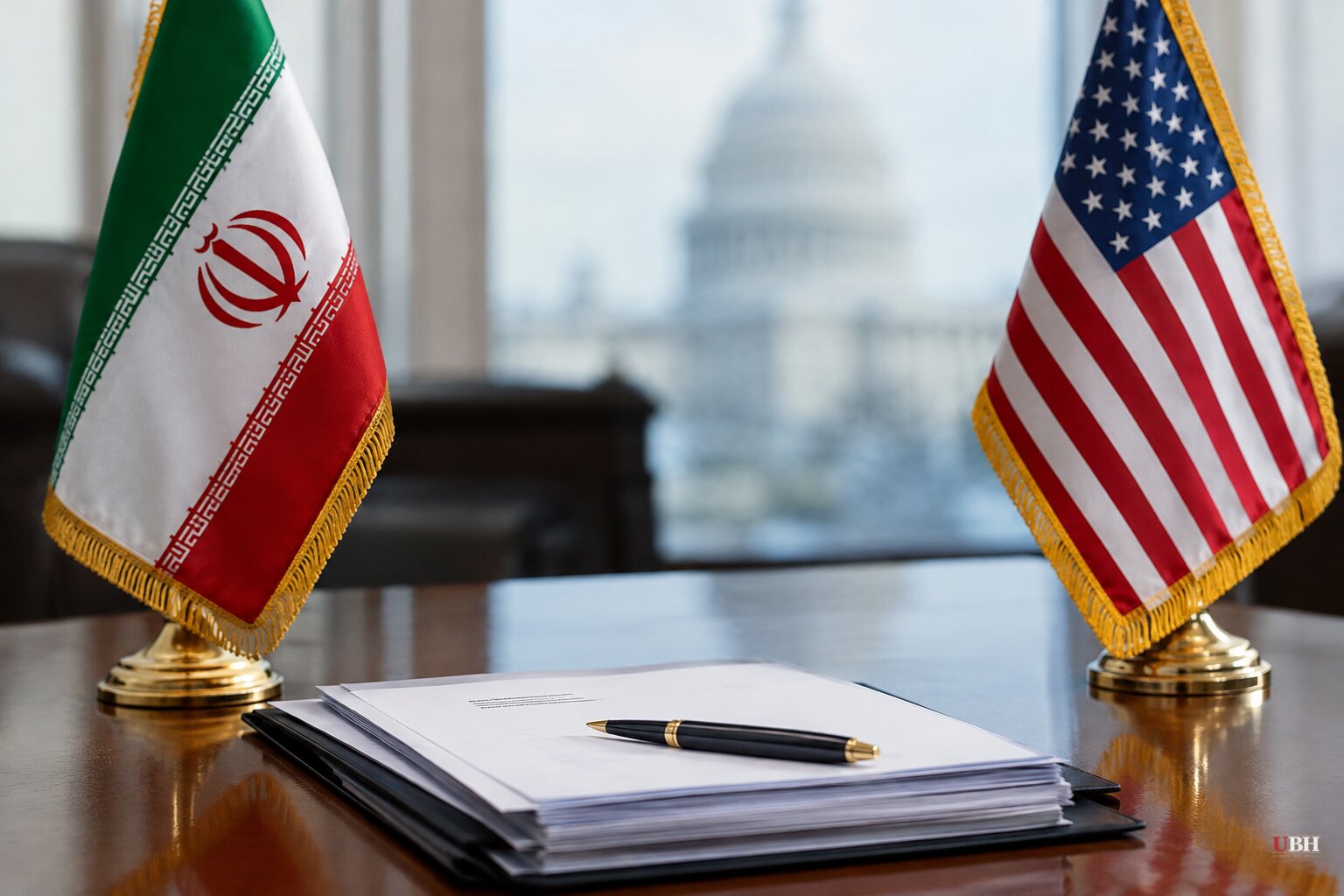
Since Pezeshkian's defiant "no surrender" address to the UN General Assembly earlier this week, his position has shifted in one specific way: on timing.
Speaking to NBC News and other outlets on the sidelines of the UN on Thursday, Iran's president said Tehran doesn't want this war dragging into the American election calendar. "We don't want it to get to the midterm elections," Pezeshkian said, according to NBC. "We wish Americans to return to the MOU before the midterms," he added, referring to the June memorandum of understanding on a ceasefire that later fell apart.
This directly contradicts what Trump has been saying publicly. In his own UN speech Tuesday, Trump predicted the opposite: "I believe we'll make a deal right after the election, because it doesn't make sense for them not to. They're waiting to see how I do in the midterm election."
One of them is wrong about Tehran's calendar, or one of them is posturing. Iranian journalist Mohammad Ghaderi, who Newsquawk describes as someone who often accurately reflects Tehran's internal thinking, separately dismissed a Reuters report the same week claiming the US and Iran were discussing a phased plan to reopen the Strait of Hormuz. Ghaderi called that report false and said its purpose was to manipulate oil prices. Even as Pezeshkian signals urgency to NBC, Tehran's own commentariat is knocking down the specific deal reporting that would back it up.
White House Response
Asked for comment by NBC, White House spokesperson Anna Kelly didn't engage with the midterms framing at all. "The Iranian regime has murdered thousands of its own people, killed Americans overseas, executed acts of terrorism in the Strait of Hormuz, and launched indiscriminate attacks against its neighbors in the region," Kelly said. "The President is courageously ensuring that such an evil country never possesses a nuclear weapon."
Kelly offered neither a rejection of Pezeshkian's offer nor an acceptance. Congress isn't moving to force Trump's hand on the conflict's endgame, leaving the timing entirely in his and Tehran's court.
Senate Rejects War Powers Curb
The domestic politics matter here too. The US Senate voted down a resolution Thursday that would have curbed Trump's war powers over Iran, according to Newsquawk.
Meanwhile NBC's own polling shows why Pezeshkian might want urgency. NBC News' Decision Desk Poll found only 31% of Americans approve of Trump's handling of the Iran war, against 69% who disapprove. If Democrats have an edge heading into November, as NBC notes polls currently show, Tehran may calculate it has more leverage with a weakened Trump post-election than a wartime Trump trying to close a deal before voters judge him.
Oil Can't Decide What to Believe
Crude markets spent Thursday whipsawing on the conflicting signals. Investing Live reported oil fell from a high of $96.78 to $93.30 on the phased-deal reporting, then rebounded to around $95, unable to hold either direction. That's a far cry from the $106 Brent print earlier in the week tied to Iran's Indian Ocean escalation threat. Traders aren't buying either the deal optimism or the denial with much conviction.
Iran's presidency has historically not been the binding constraint on these decisions. That authority sits with the security establishment and the supreme leader's office, not with Pezeshkian, however sincere he sounds to American cameras. Public overtures timed to a foreign election calendar are, in Newsquawk's words, "a well-worn pattern in this file." Past deadline-anchored diplomacy has tended to see risk premium ease on headlines and rebuild when talks stall.
A Data Point on Khamenei's Health
Pezeshkian also gave the most detailed public account yet of his dealings with Iran's new supreme leader, Mojtaba Khamenei, who assumed the role in March after Ayatollah Ali Khamenei was killed in an Israeli strike. Pezeshkian told reporters he has met with Mojtaba Khamenei twice, including a seven-hour session about a month ago where the two sat on the floor on traditional pillows. Pezeshkian said he saw no issues with the new leader's "health or physical appearance," addressing lingering questions about injuries Mojtaba Khamenei reportedly suffered.
As of the seven days ending September 20, confirmed tanker transits through the Strait of Hormuz averaged 6.98 million barrels a day, according to shipping data firm Kpler cited by CNBC. That's roughly 38% of the 18.3 million barrel prewar baseline. Whatever Pezeshkian tells American television cameras, that number is the one that will actually confirm whether any deal, before or after the midterms, has changed anything on the water.
Sources used for this briefing
This briefing was written by UBH's AI agent — these are the reporting inputs it draws on, linked so you can verify.


