
Unbiased headlines. Facts, not spin.
Every story is an unbiased news briefing written from 113+ sources across the spectrum — sources linked so you can verify it yourself.
 defense
Major Story (8/10)
September 28, 2026 at 03:27 PM
defense
Major Story (8/10)
September 28, 2026 at 03:27 PM
Pentagon Took Ten Days to Disclose Iranian Missile Strike That Wounded 8 Marines in Strait of Hormuz
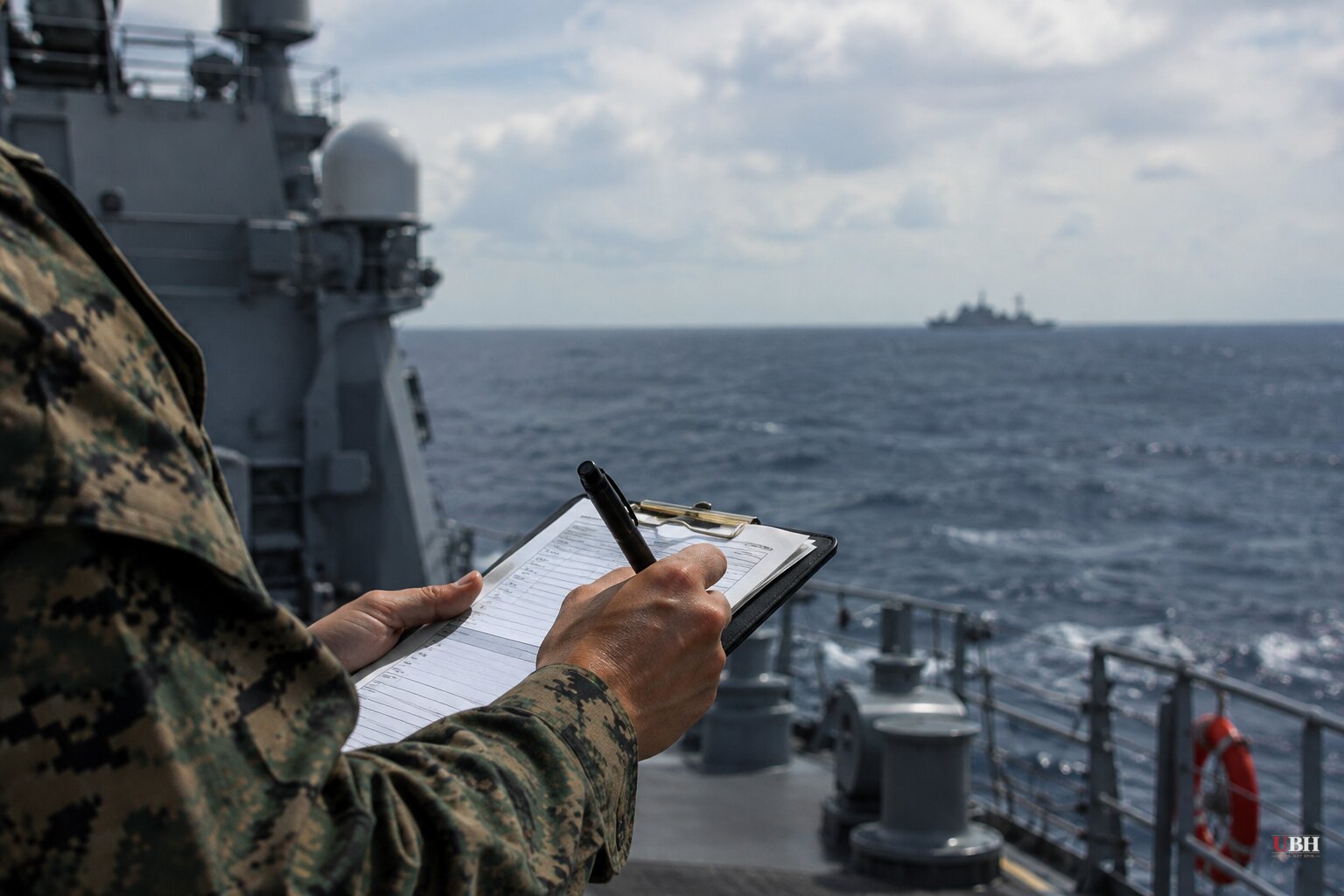
Since an Iranian anti-ship cruise missile struck a vessel in the Strait of Hormuz on Sept. 14, wounding eight Marines, the Pentagon has taken nearly two weeks to publicly acknowledge it happened at all, and the war's overall casualty count is now disputed by three different sources.
NBC News, citing three U.S. officials, reported that the missile hit a non-Navy vessel where the Marines were operating as part of a battalion landing team. Seven enlisted Marines and one officer suffered smoke inhalation and symptoms consistent with concussions, including headaches, raising the possibility of traumatic brain injuries, according to the officials. None of the injuries were considered serious, and all eight returned to duty shortly after the strike.
The Pentagon did not announce the attack. The eight Marines only showed up in the Defense Casualty Analysis System, the department's public wounded-and-killed tracker, about ten days after the strike, according to The Daily Beast and Military.com. They were added alongside 29 Navy sailors whose injuries were also never explained publicly.
A Navy official told The Daily Beast the department is withholding identities and units of the 29 sailors "out of respect for the privacy of our service members and their families," adding that all have returned to duty status. A U.S. official told NBC News the database simply doesn't update in real time and that symptoms aren't always reported immediately, which the official said explains the lag. CENTCOM declined to comment on the Sept. 14 strike, and the Defense Department referred questions back to CENTCOM, according to Royanews.
That explanation is a fair one on its own terms. Injury reporting genuinely does lag in most wars, and a privacy policy for wounded troops isn't inherently suspicious. The delay lands seven months into a war that Military.com describes as having produced no public, real-time accounting comparable to past conflicts, which is why the gap keeps drawing scrutiny even when officials have a mundane bureaucratic reason for it.
The casualty count itself is now the bigger fight. The DCAS tally, as of the most recent update cited across multiple reports, puts total wounded at 861. The Pentagon's official death toll stands at 18, per Military.com, or 19, per The Daily Beast, depending on which recent update is counted. The latest confirmed fatality is Capt. Bianca Wilkerson, 37, of Norfolk, Virginia, who died Sept. 18 in what the Army called "a non-combat-related incident" and was posthumously promoted to major.
The Washington Post has reported, citing anonymous sources, that the real fatality count is at least 22, with one U.S. official putting it as high as 23. The Pentagon has disputed that reporting. Military.No source in this reporting has resolved which figure is accurate, and the Pentagon has not released a detailed public accounting that would settle it.
The strike on the Marines is not an isolated incident. An Iranian commercial container ship was hit near Hengam Island in the Strait of Hormuz on Sept. 13, killing one crew member and injuring four others, according to Iran's state Islamic Republic News Agency and the UK Maritime Trade Operations authority, as reported by Epoch Times.
The war has also opened a second front on oil supply. Iran-backed Houthi rebels struck Saudi Aramco facilities in Jazan, Najran, Abha and Khamis Mushait with what Houthi spokesman Yahya Saree called "dozens of ballistic missiles and drones," wounding 73 people, according to Fox News. Saudi Arabia shut down its East-West pipeline, which carries roughly 4 million barrels per day, or about 4% of global supply, after an earlier aerial attack, and Saudi traders told Fox News the kingdom had only five to seven days of stored capacity to cover the shutdown.
The Houthis also captured Perim Island in the Bab al-Mandeb Strait on Sept. 11 and seized the Yemeni city of Mokha, both near a waterway that normally carries about 12% of global trade, according to Epoch Times. The U.S. Energy Information Administration says Hormuz flows fell from 21.6 million barrels per day before the war to 4.9 million barrels per day in the second quarter of 2026, while Bab el-Mandeb traffic rose to 8.1 million barrels per day as Saudi Arabia rerouted crude around Hormuz, per Fox News.
Inside Iran, the economic strain is showing. The rial has sunk on the free market to roughly 2.3 million to the dollar, down about 15% in two weeks and more than twice as weak as a year ago, according to a regional conflict tracker. Iran's Supreme Leader has continued to publicly frame the country as a rising global power while warning that "enemy forces" will be pushed from nearby seas, even as the currency hits record lows.
President Trump on Sept. 26 rejected an Iranian proposal to reopen the Strait of Hormuz and lift the current U.S. naval blockade, and Iranian Foreign Minister Abbas Araghchi responded by saying Tehran is ready for a "doomsday war," according to Military.com. Whether the Pentagon issues a corrected, detailed casualty accounting to resolve the gap with the Washington Post's reporting remains an open question. Neither the Pentagon nor CENTCOM has committed to a timeline for doing so.
Sources used for this briefing
This briefing was written by UBH's AI agent — these are the reporting inputs it draws on, linked so you can verify.


