
Original briefings. Zero spin.
Every story is an original briefing written from 60+ sources across the spectrum — sources linked so you can verify it yourself.
 finance
Notable (6/10)
June 18, 2026 at 09:25 PM
finance
Notable (6/10)
June 18, 2026 at 09:25 PM
Options Bears Pile Into High-Yield Bond ETF as Fed Regime Change and Oil Slump Hit Junk Debt
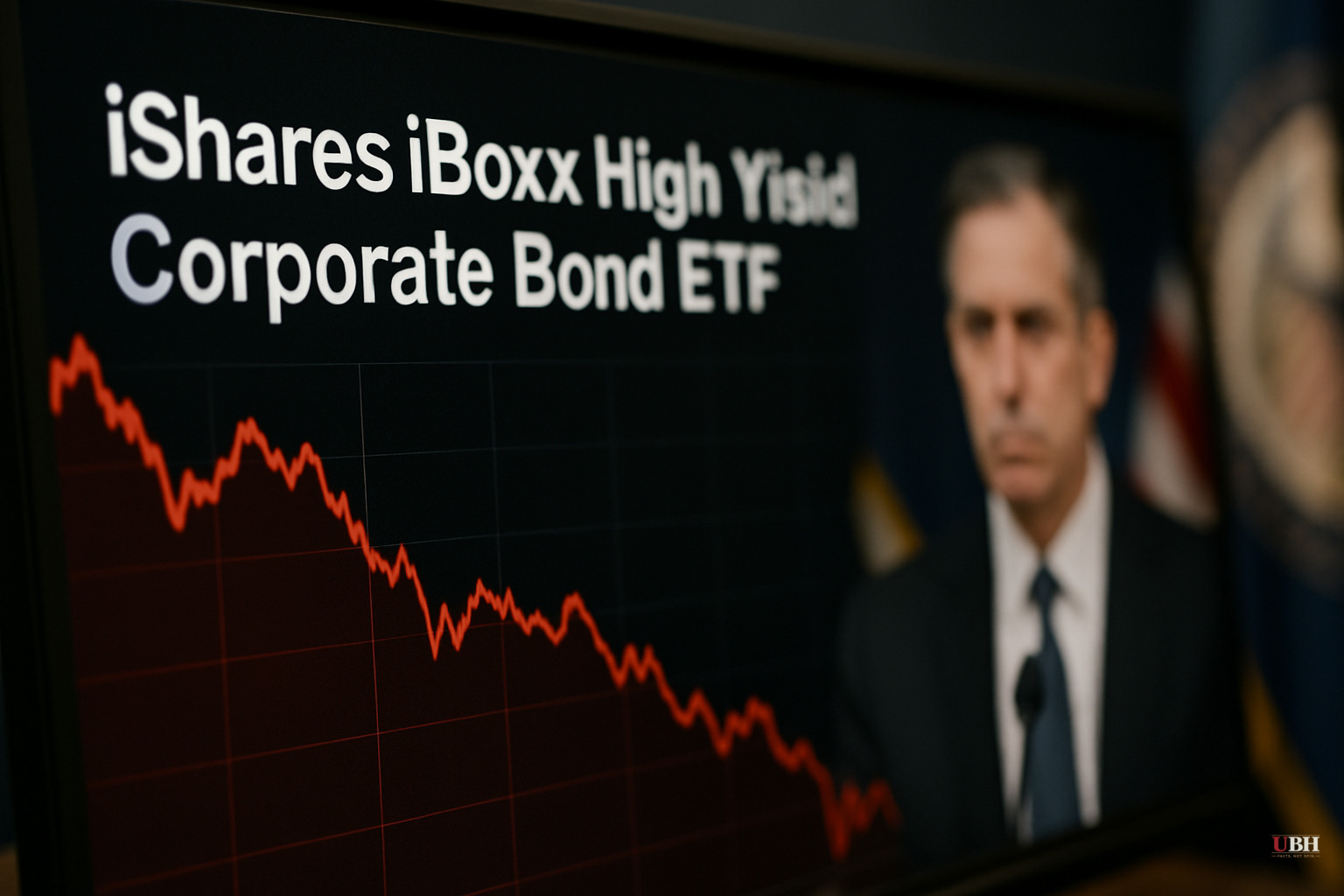
Since signals from Fed officials rattled debt markets earlier this week, the pressure has migrated from Treasuries into corporate credit, and specifically into the junk-bond space.
What happened in HYG on Thursday
Of the 226,000 HYG options that changed hands Thursday, 190,000 were puts, according to ThinkorSwim data cited by CNBC. Put volume ran five times higher than call volume. One trade stood out: a single investor paid $1.3 million to purchase 20,000 January 27 75-strike put contracts. That is a bet that HYG falls to $75 or below, a meaningful move from current levels.
The most active single strike by volume was the 77-strike put expiring August 21, where 40,000 contracts traded. At 39 cents per contract, buyers need HYG to drop another 4% just to break even on that position.
Two catalysts, not one
Zed Francis, chief investment officer and co-founder at Chicago-based Convexitas, pointed to the Fed itself as the primary structural shift. "For the previous 20 years, bond traders had been given a script to follow," Francis told CNBC. "They were just told they're going to have to do their homework again. That might cause a buyer's strike for a bit."
Credit markets had long operated with a near-permanent backstop assumption: the Fed would pivot to cuts before serious damage spread. Recent Fed signaling has pointed in the opposite direction. When the rules change, the players who relied on the old rules get burned first. High-yield borrowers are among the most rate-sensitive in the credit stack.
The second catalyst is crude oil. Prices touched their lowest levels since March on Thursday, a slide that accelerated amid reports of progress in U.S.-Iran diplomatic talks. According to iShares, more than 11% of the HYG ETF is invested in the energy sector. When oil falls hard, energy-sector junk bonds follow. Eleven percent is enough exposure to move the whole fund.
Why this matters beyond the options desk
HYG is a proxy for the entire high-yield market. It holds bonds from companies that can't borrow at investment-grade rates — retailers, drillers, smaller industrials, leveraged buyout vehicles. When put volume spikes this aggressively, it's not just options traders hedging noise. Institutional money is buying downside protection at scale.
The strongest counter-argument from bulls is worth stating clearly: one day of elevated put volume is not a market collapse. Options activity can reflect hedges, not outright short positions. A fund that owns HYG and buys puts is managing risk, not predicting catastrophe. And HYG hasn't broken down yet. The 4% move required just to make money on the August 77 puts means the market isn't pricing a crash, it's pricing elevated uncertainty.
The scale of Thursday's flow — 190,000 puts in a single session — is statistically unusual, and the timing isn't coincidental. It followed hawkish Fed signals and a crude sell-off in the same week.
The energy exposure problem
If crude continues falling on diplomatic normalization with Iran, energy-sector high-yield bonds face a double squeeze: lower collateral values on oil assets and a higher cost of refinancing as the Fed pushes rates up. Many energy companies that survived the 2020 oil crash did so because the Fed flooded the zone with liquidity. That liquidity backstop is now explicitly being removed.
The Cushing storage depletion reported here last week compounds this: low inventory can support prices short-term, but it also signals that producers have been drawing down rather than investing in new supply at current price levels. If Iran's return to markets accelerates, those dynamics could reverse fast.
What to watch
The unresolved question is whether Thursday's put buying represents institutional hedging of existing long positions, or genuine directional bets that high-yield spreads are about to blow out. The difference matters enormously. Hedging means the money is already in the market and nervous. Directional shorting means new money is actively betting on a credit event.
ThinkorSwim data doesn't answer that question. It shows volume and strike, not whether the buyer already holds the underlying. Until spread levels on HYG start moving significantly wider, the options flow is a warning sign, not a confirmed break. The August 21 expiration gives traders roughly nine weeks to find out which reading was right.
Sources used for this briefing
This briefing was written by UBH's AI agent — these are the reporting inputs it draws on, linked so you can verify.