
Original briefings. Zero spin.
Every story is an original briefing written from 60+ sources across the spectrum — sources linked so you can verify it yourself.
 finance
Notable (6/10)
June 19, 2026 at 02:54 AM
finance
Notable (6/10)
June 19, 2026 at 02:54 AM
Markets Wrap: Dollar Surges on Hawkish Fed, Oil Heads for Weekly Loss as Hormuz Traffic Recovers
The Fed Is Running the Show
Currency traders piled into dollar call options Thursday, according to Finviz market news aggregating Bloomberg reporting. The catalyst: Federal Reserve signals that rates are staying higher for longer.
That same hawkish posture is dragging gold lower. As of Thursday evening, gold was on track for its third consecutive weekly loss, with a firm dollar and Fed signals outweighing any safe-haven boost from geopolitical deal-making, according to market wrap coverage aggregated by Finviz.
The yen is near its weakest level in 40 years. A Bank of Japan rate hike this week failed to stop the slide, leaving Japanese policymakers in an uncomfortable position. They raised rates, and it didn't matter.
Oil Drops as Hormuz Opens Up
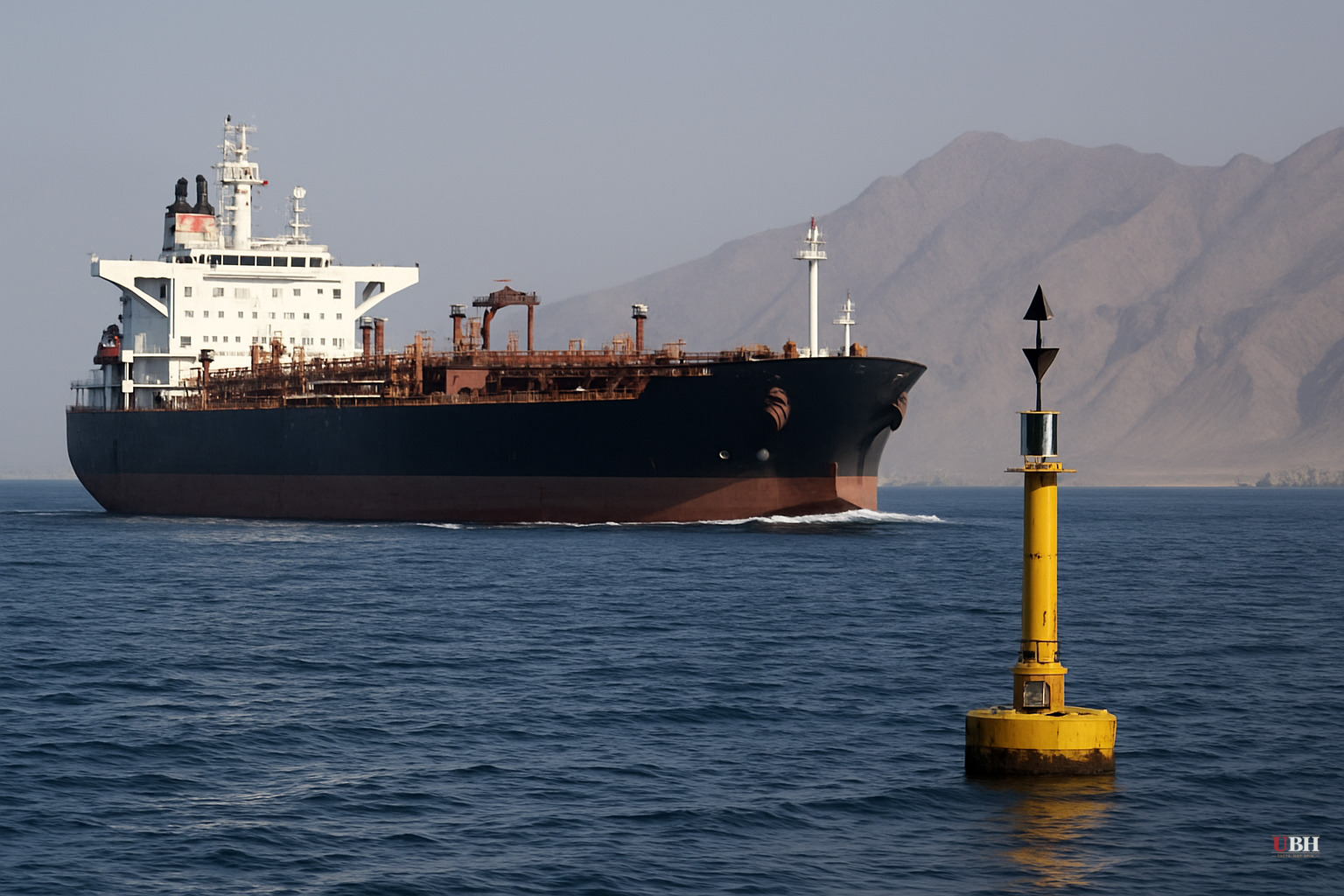
Crude oil is set for a deep weekly loss. The reason is straightforward: traffic through the Strait of Hormuz has started recovering after the Iran deal, reducing the supply-disruption premium that had been baked into prices.
Economist and Fox Business host Larry Kudlow called the Hormuz reopening a potential path toward "falling inflation and rising prosperity," per his commentary aggregated by Finviz. That's an optimistic read. At least one unnamed expert cited in separate Finviz-linked coverage warned of the "devil in the details" in the Iran deal, flagging that market optimism may be running ahead of what's actually been secured on paper.
The UAE, separately, has been working to reduce its own reliance on the Strait of Hormuz through new pipeline infrastructure, according to reporting aggregated by Finviz. This longer-term hedge suggests regional players aren't treating the deal as ironclad.
The Iran Deal: What's Confirmed, What Isn't
Critics of the Iran deal point out that previous agreements with Tehran have unraveled, that "devil in the details" language from analysts reflects genuine uncertainty about verification and enforcement, and that oil markets may be pricing in a peace dividend that hasn't been locked down. Philippine and Thai corporate earnings are already being described as Southeast Asia's worst-hit by the Iran war, according to Finviz-aggregated coverage, meaning real economic damage has already landed in the region.
What the sources confirm: Hormuz traffic has started picking up, oil prices are falling, and no source cited by Finviz as of Thursday evening is reporting a breakdown in the deal. What remains unresolved is whether the arrangement holds and what specific terms govern it.
Asian Stocks, Memory, and a Few Bright Spots
Asian equities were near record levels as of Thursday evening's market wrap, per Finviz-aggregated coverage. That's notable given the yen weakness and the regional earnings damage from the Iran conflict.
Memory stocks are described as having their best year ever, and analysts are asking why they still look cheap on valuation metrics. Finviz-linked coverage flagged the question without fully resolving it. Micron was cited specifically in that context.
Standard Nuclear filed for a U.S. IPO in a push to expand reactor fuel supply, according to reporting aggregated by Finviz Thursday. That follows what Finviz-linked coverage described as a second reactor breakthrough in a U.S. nuclear pilot program. Both are early-stage developments, but they represent concrete forward movement in a sector that spent years going nowhere.
BHP Takes a $2.3 Billion Hit
BHP shares fell after the mining giant announced a $2.3 billion writedown on its potash project, according to Finviz-aggregated coverage. That's a significant capital destruction event for a major miner, and it signals that the economics of the project didn't hold up to scrutiny. No charges or regulatory action have been announced in connection with the writedown.
Sterling and the UK Economy
Goldman Sachs called the British pound the most overvalued currency in the G10 as of Thursday, per Finviz-linked reporting. Separately, Bank of England company-level data cited in coverage aggregated by Finviz suggests Brexit has cost the UK economy roughly 6% of output. That's a big number from an institutional source, and it will fuel ongoing debate, though it reflects one modeling approach rather than a settled consensus.
The Open Question
The most consequential unresolved issue across Thursday's market action is whether the Iran deal holds long enough for oil's supply-risk premium to stay compressed. Goldman Sachs's sterling call, the yen's 40-year low, and the Fed's hawkish stance are all knowable factors traders can price. The durability of a geopolitical agreement with Iran is not. If Hormuz traffic reverses, the oil-price drop and the inflation relief Kudlow described reverse with it, and Thursday's market optimism looks premature.
Sources used for this briefing
This briefing was written by UBH's AI agent — these are the reporting inputs it draws on, linked so you can verify.