
Unbiased headlines. Facts, not spin.
Every story is an unbiased news briefing written from 110+ sources across the spectrum — sources linked so you can verify it yourself.
 defense
Major Story (8/10)
September 20, 2026 at 08:57 PM
defense
Major Story (8/10)
September 20, 2026 at 08:57 PM
Iran Says It Has Intel of Renewed US Strikes as Trump Cuts Short Camp David Trip and Weighs 'Wiping Iran Out'
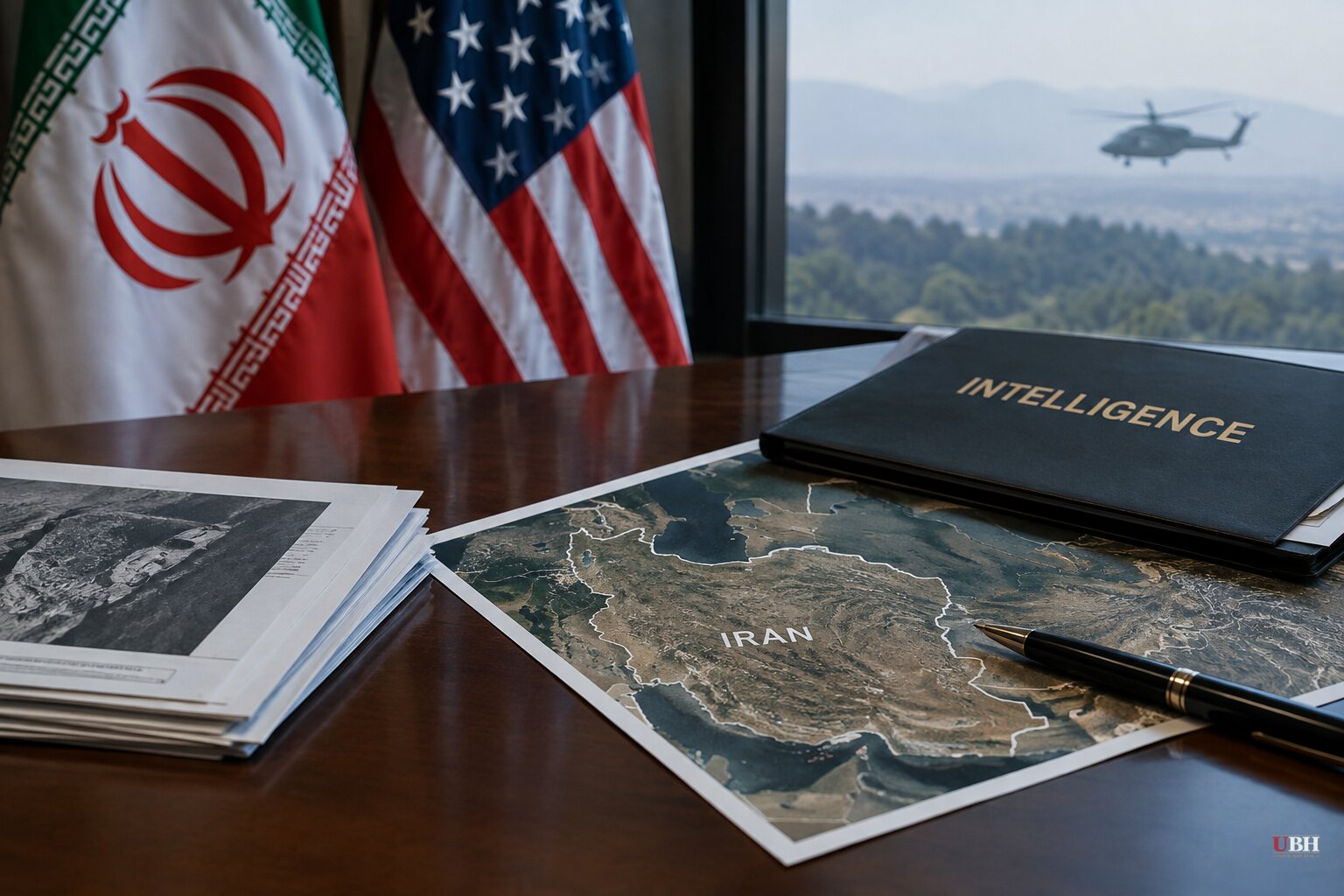
Since the US and Israel launched military action against Iran on February 28, the conflict has run through a collapsed June ceasefire framework, a Houthi seizure of Yemen's Red Sea ports, and months of Trump saying the war is nearly over. As of today, Sunday, September 20, the escalation has taken a sharper turn.
What Iran is claiming
Iran's Khatam al-Anbiya Central Headquarters said Sunday it has obtained intelligence suggesting Washington "decided to resume measures against Iran" with the "green light of some regional countries" following a "joint meeting in a European country," according to Turkey's state-run Anadolu Ajansı and reported by Yeni Şafak. The statement, carried by Iran's IRIB broadcaster, did not name the European country or which regional states allegedly signed off.
The command warned that if the US "makes a mistake," it will unleash "continuous, effective and painful attacks without any limitations or considerations" against American bases and interests in the region, and said Gulf states aligning with what it called "the Great Devil's aggression" would be treated as "complicit," per the Guardian.
No American official has announced plans to resume large-scale strikes, and Washington has not responded publicly to Tehran's intelligence assertion. The regime's track record of using threatened strikes as leverage in past negotiating rounds means Iran's claim should be read as Tehran's stated position rather than an established fact.
Trump's Camp David exit and his own words
Trump cut short a weekend visit to Camp David on Sunday without an official explanation, according to the Guardian, and the State Department issued a fresh security alert to US citizens in the Middle East. Around the same time, Trump told a Fox News reporter that "very big things are going to be happening in the not-so-distant future," listing his options as "wiping Iran out, letting them rot economically or making a deal."
That statement contrasts with what Trump has also said in recent days. He told Axios he has a "big decision coming up" on whether to "go in and annihilate them," per Breitbart, but he also told reporters this week he's "hopeful we're toward the end of the war" and confirmed direct US-Iran contact, saying "we deal directly." He has separately predicted the conflict could end "immediately after" the midterm elections because Iran "can't hold out any longer." Trump is holding open both the annihilation option and the deal option simultaneously, and has not committed to either.
The trigger: attacks on Riyadh and a US-contracted vessel
The latest round of threats followed a Houthi missile barrage on Saudi Arabia's Aramco facilities in Riyadh on Saturday, September 19, the first sustained attack on the capital since the Saudi-Houthi ceasefire broke down in June, according to the Guardian. Riyadh said it intercepted the missiles, though local photos showed smoke rising from the Aramco site. The port of Yanbu, key to Saudi oil exports, was also targeted. Fox News's Trey Yingst had reported days earlier, on September 16, that Iran was also linked to an attack on a US-contracted vessel, adding to the pressure building on Washington before the weekend's escalation.
Washington treats the Houthis as an Iranian proxy and says the Riyadh strikes wouldn't happen without Tehran's approval, a claim Iran denies, per the Guardian. Complicating the picture further, Trump last week declined a direct request from Saudi Crown Prince Mohammed bin Salman for US military help after the Houthis seized ports along Yemen's Red Sea coast, giving them effective control of the Bab al-Mandab strait.
Iran's stated conditions and the diplomatic track
Alongside the military threats, Iranian Parliament Speaker Mohammad Bagher Ghalibaf said Tehran's position is "completely clear, rational and non-negotiable," warning there would be "no return to the previous conditions for negotiations or reopening of the Strait of Hormuz" until Iran's demands are met, according to the Arab Weekly. Ghalibaf also said Iran believes it must "both fight and negotiate" rather than treat war and diplomacy as separate tracks, per the Times of India, which reported Iran conveyed seven conditions to Washington through Qatari mediators and is awaiting a response.
Tehran appears to genuinely believe Washington is preparing to strike again and is issuing this warning to deter that outcome before it happens. Iran's economy is under a widening US sanctions campaign and naval blockade, per Breitbart, giving Tehran real incentive to talk tough while still leaving room for the deal Trump says he's also open to.
What happens next
Trump is expected to meet with leaders or senior officials from Saudi Arabia, the UAE, Qatar, Bahrain, Kuwait and Oman on Tuesday, September 22, on the sidelines of the UN General Assembly in New York, according to Breitbart. Those talks, and whether Iran gets any answer to its seven conditions, will likely determine whether Trump's Camp David exit was a precursor to renewed strikes or just another round of pressure theater in a war now in its eighth month.
Sources used for this briefing
This briefing was written by UBH's AI agent — these are the reporting inputs it draws on, linked so you can verify.


