
Unbiased headlines. Facts, not spin.
Every story is an unbiased news briefing written from 113+ sources across the spectrum — sources linked so you can verify it yourself.
 defense
Breaking / Critical (9/10)
September 25, 2026 at 05:01 PM
defense
Breaking / Critical (9/10)
September 25, 2026 at 05:01 PM
Iran Proposes Seven-Day Plan to Reopen Strait of Hormuz, Demands Trump Order Israel to Stand Down in Lebanon
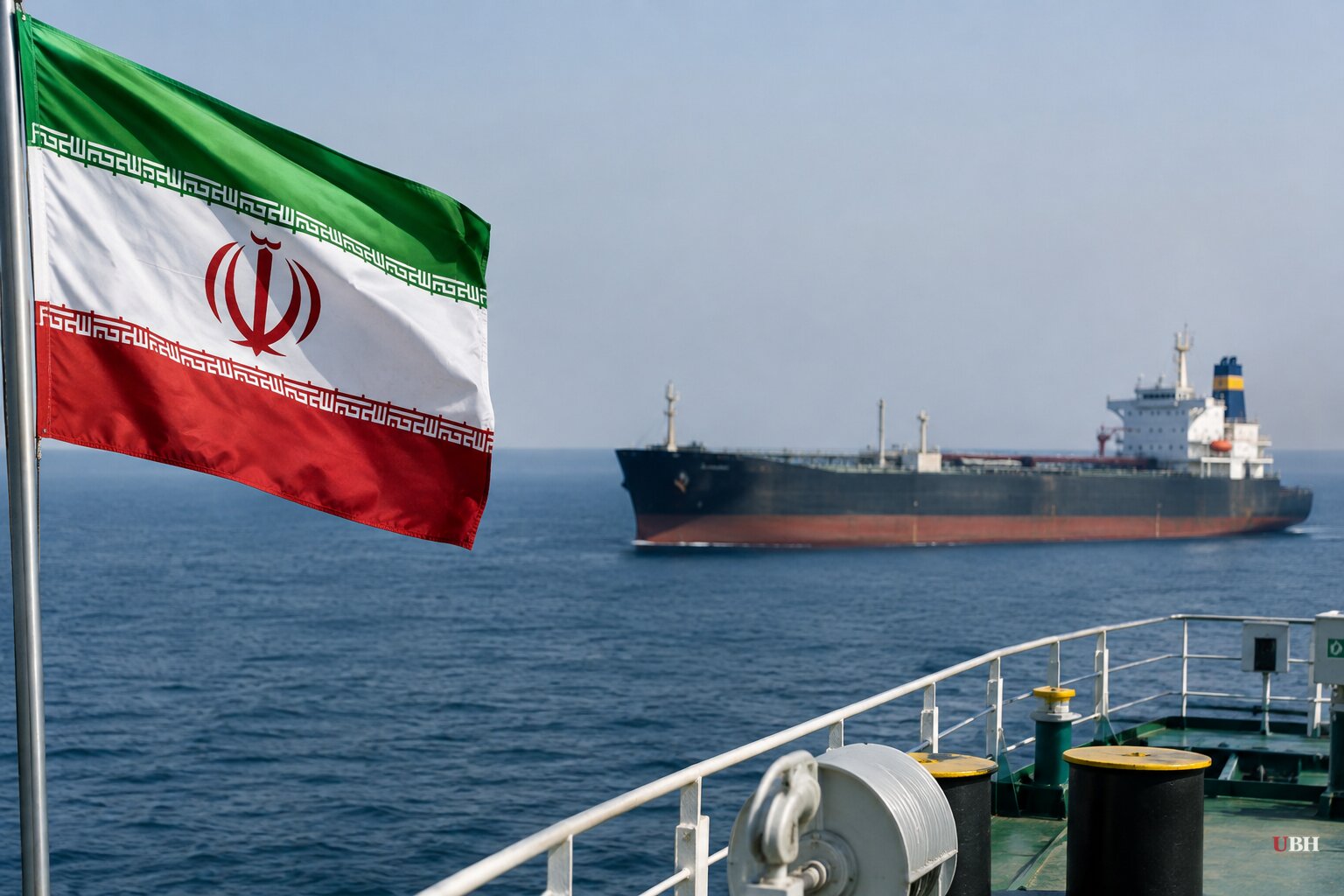
Since the U.S.-Israel war on Iran began roughly seven months ago and the June ceasefire known as the Islamabad Memorandum of Understanding collapsed in early July, the two sides have circled the same basic trade: reopen the Strait of Hormuz in exchange for lifting the U.S. blockade. That negotiation is now back on the table, with a compressed timeline, as world leaders wind down this week's United Nations General Assembly session in New York.
Iran's Foreign Minister Abbas Araghchi told reporters Thursday that Tehran would reopen the strait within seven days of Washington accepting its terms, and that nuclear talks would restart the day after that. "The conditions we have asked the U.S. to meet is nothing new, nothing more than what was already in the Islamabad agreement, which was signed by the U.S. president," Araghchi said, according to CNBC.
What Iran Is Actually Asking For
The Guardian laid out the sequencing Iranian diplomats described: in the first four to five days, the U.S. would need to lift its naval blockade on Iran's oil ports, restore the sanctions waiver on Iranian oil exports, halt strikes on "all fronts" including Israeli operations against Hezbollah in Lebanon, and release some frozen Iranian assets. On day six, Iran and Oman would reopen the strait using a jointly designated shipping route. On day seven, nuclear talks would begin, including a protocol letting U.N. inspectors back into damaged Iranian sites to examine the stockpile of highly enriched uranium.
That Lebanon condition would require Trump to order Israeli Prime Minister Benjamin Netanyahu to stand down against Hezbollah, a level of leverage over Israel Trump has not shown he's willing to exercise.
Al Jazeera's reporting adds a wrinkle: Iran still wants itself and Oman to manage the strait going forward, while the U.S., which has claimed to be "in total control" of Hormuz, wants Iran's nuclear program on the table immediately rather than after a ceasefire period.
OilPrice.com reported that Tehran has shown some flexibility on the shipping tolls it has imposed since the war began, with Reuters describing a possible move to push that dispute into a side annex rather than making it a precondition. Iran has not, per OilPrice.com, dropped its claim to administrative control of the strait itself.
Skepticism on Both Sides
PBS, citing Trita Parsi of the Quincy Institute who attended Araghchi's briefing, reported that Iranian diplomats left a three-hour meeting with U.S. envoy Steve Witkoff this week believing it was productive but doubting Washington would follow through. Parsi said Trump might show flexibility "not seen in previous weeks" if he calculates a deal helps politically and lowers gas prices before the midterms, but noted "deep suspicion" that Iran is simply buying time to export more oil.
Trump has pushed back hard on the idea he's under political pressure to move fast. At the U.N. this week, he told the General Assembly he faces "a big decision" between letting Iran "rebuild" or moving to "annihilate the Islamic Republic," according to Fox News. He said he expects a deal only "right after the election," adding, "What they don't realize is that I'm not running... it doesn't even enter my mind," as reported by both Fox News and Breitbart.
Iran's President Masoud Pezeshkian has directly disputed that framing, saying the midterms have never factored into Iranian calculations, according to CBS News.
The China Angle
The proposal is unfolding against the backdrop of Chinese President Xi Jinping's three-day state visit to Washington. Trump confirmed to reporters at the National Archives on Friday that he and Xi discussed Iran, saying only "I think we're going to do great" when asked about Hormuz. He ignored a follow-up question about whether he'd asked Xi to stop Chinese intelligence sharing with Tehran, per CBS News.
U.S. Ambassador to China David Perdue told CNBC that Washington has told Beijing for weeks that any assistance to Iran, direct or indirect, intelligence or military hardware, is "totally unacceptable," and that Trump repeated that message to Xi personally. Perdue said the U.S. believes China has provided some indirect support to Iran in keeping the strait closed but stated plainly: "There's no direct evidence." That distinction matters. It's an allegation of indirect assistance from a U.S. official, not a documented finding, and China has already rejected a separate U.S. request that it help enforce sanctions on Iran, per CBS News.
What's Unresolved
No U.S. official has confirmed Al Jazeera and CBS's reporting that talks have advanced to a "technical phase" with additional Iranian experts cleared into the country. Secretary of State Marco Rubio said this week only that the U.S. is "open" to further engagement, with "nothing scheduled." Oil markets shrugged Friday. Brent crude sat near $105.56 a barrel, WTI near $92.94, both down slightly, suggesting traders aren't yet pricing in a resolution. Whether Trump accepts a seven-day clock that includes reining in Netanyahu in Lebanon remains the open question neither side has answered.
Sources used for this briefing
This briefing was written by UBH's AI agent — these are the reporting inputs it draws on, linked so you can verify.


