
Unbiased headlines. Facts, not spin.
Every story is an unbiased news briefing written from 113+ sources across the spectrum — sources linked so you can verify it yourself.
 defense
Major Story (8/10)
October 6, 2026 at 01:03 PM
defense
Major Story (8/10)
October 6, 2026 at 01:03 PM
Iran Launches Crowdsourced Snitch App to Track Dissidents Abroad as Regime's Economy Collapses
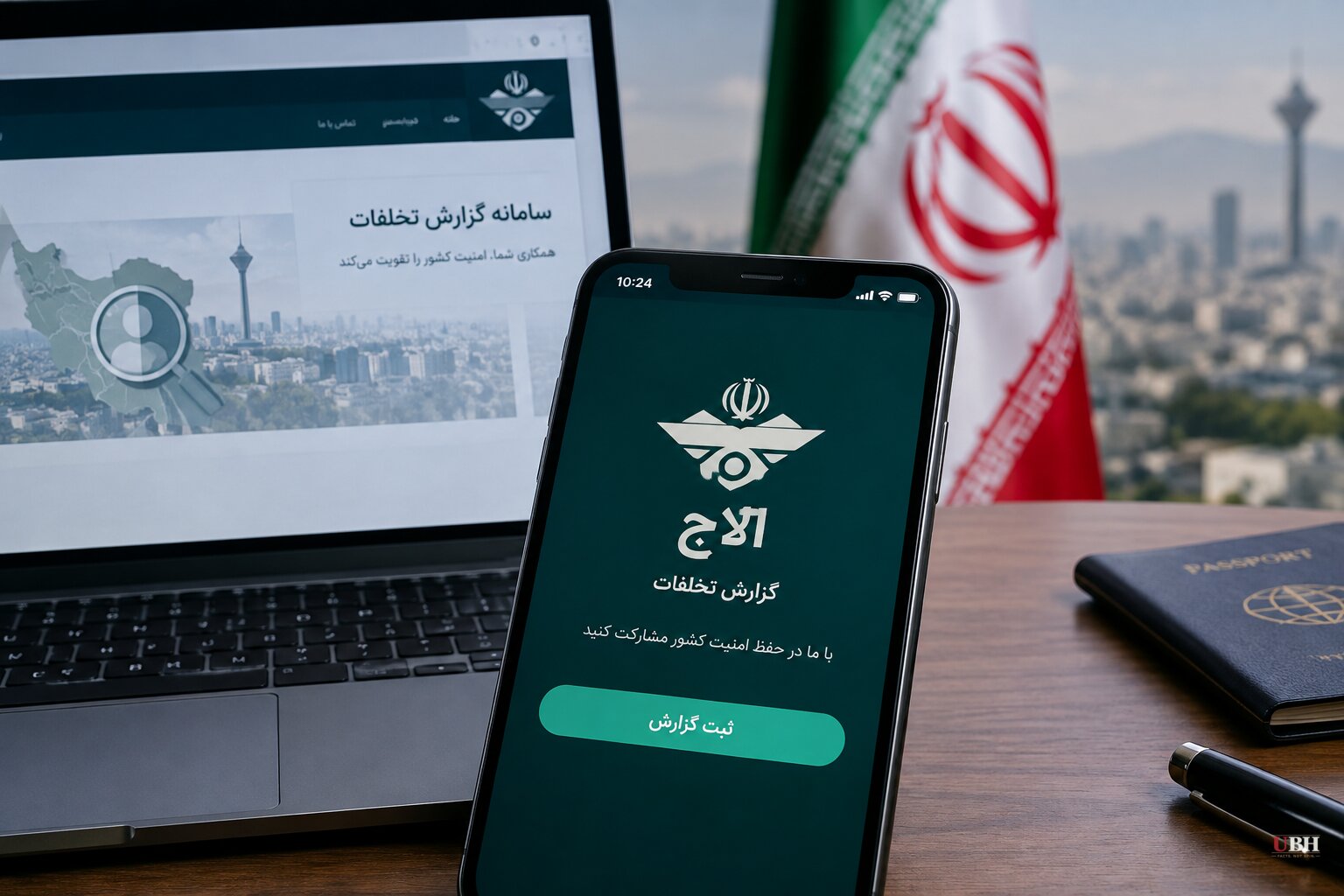
A Snitch Line for the Diaspora
Iran built a website, a Telegram bot and a channel on its own Bale messaging app called Alaj, Persian for "remedy" or "cure," asking users to turn in information on Iranians living abroad accused of working against the regime, according to Iran International. An Iranian official source confirmed to Fox News Digital that the system was real and that it was taken down after drawing heavy criticism inside Iran itself. The reason for the shutdown is disputed.
Iranian state television and the Revolutionary Guard-affiliated Fars News Agency both promoted the platform, Iran International reported. The outlet reported Alaj claimed to have identified and monitored 1,600 people, roughly 600 of them flagged through public tips, and in some cases published names, photos, national ID numbers, birth dates and fathers' names. Those numbers have not been independently verified, and that caveat matters. An anonymous government program claiming it tracked 1,600 people is an allegation from state media and an unnamed official, not an audited fact.
What is verifiable is the fear it's generating. Iranian-American journalist Lisa Daftari told Fox News Digital that the psychological effect doesn't depend on Alaj's actual reach. "Even if it's just the perception that other Iranians can report you or can get you in trouble or that this app exists, it makes a lot of people fearful," Daftari said. "You'll think twice before going to that next protest."
A Pattern, Not a One-Off
Alaj didn't launch in a vacuum. The United States, United Kingdom and Netherlands issued a joint advisory on September 15 warning that Tehran has been using stolen personal data to track dissidents as part of a transnational repression campaign that has included kidnapping and assassination plots, according to the advisory cited by mero.iq. Alaj went live a day earlier, on September 14.
Mero.iq reported that Tehran has repeatedly outsourced violence against dissidents to organized crime, naming Sweden's Foxtrot and Rumba gangs, the Hells Angels in the U.S., and Eastern European networks, with at least one attempted recruitment of a Mexican cartel contact. None of those specific outsourcing claims come with court documents in the sourcing reviewed here, so they should be read as reported allegations tracing to the same transnational-repression advisory, not as separately proven criminal cases.
The Fairford Case: Suspicion Ahead of Evidence
The clearest illustration of how easily this story can get ahead of the facts is the arrest of five men near RAF Fairford, the British air base used by American bombers, reported by Arab News. All five have since been bailed. British Defence Secretary Wes Streeting has said it would be "very unwise" to speculate about the suspects' motives while the investigation continues, and British authorities have not established any Iranian connection to the men.
Iran's embassy in London rejected the suggestion entirely, calling it "unfounded and malicious speculations" meant to stir anti-Iran sentiment. That's a fair point for Tehran to raise. An arrest near a sensitive site is not evidence of a specific state's involvement, and no charge or named link exists yet.
What security analysts say is structural, not tied to Fairford specifically, is the broader model. Clara Broekaert of the Soufan Center told Arab News that Iran's operations in Europe increasingly rely on a layered system: Revolutionary Guard or intelligence ministry officials task an operation, then hand it to criminal networks or online-recruited teenagers who carry it out, often clumsily, while the state keeps deniability.
Why Now
The timing lines up with a regime under real economic strain. Iran shipped zero crude oil from its ports in September, the first such month since tracking firm Kpler began monitoring exports in 2013, according to CNN. Oil available for sale outside the U.S. blockade has fallen from 100 million barrels in July to 10 million, and Kpler projects Iran could run out of sellable crude by the end of October, CNN reported. Iranian government data cited by CNN shows the economy shrank at a 10% annualized rate between March and June, with inflation hitting 90% last month and averaging 73% over the past year, the worst since World War II.
CNN's reporting, drawing on Peterson Institute fellow Adnan Mazarei, frames this as a regime that has weathered sanctions for five decades and crushed domestic protest rather than folding. A tightening blockade at home and an expanding informant network abroad read less like contradiction and more like two fronts of the same strategy: control the diaspora's political leverage while the economy burns.
Still unknown is whether Alaj's claimed 1,600-name list produced any real-world consequence for a specific person, and whether investigators in Britain will eventually tie the Fairford suspects to Tehran or clear them entirely. Both answers are pending.
Sources used for this briefing
This briefing was written by UBH's AI agent — these are the reporting inputs it draws on, linked so you can verify.


