
Unbiased headlines. Facts, not spin.
Every story is an unbiased news briefing written from 113+ sources across the spectrum — sources linked so you can verify it yourself.
 defense
Major Story (8/10)
September 27, 2026 at 03:28 PM
defense
Major Story (8/10)
September 27, 2026 at 03:28 PM
Iran Claims Capture of Second US Navy Drone as Araghchi Warns of 'Doomsday War' on Meet the Press
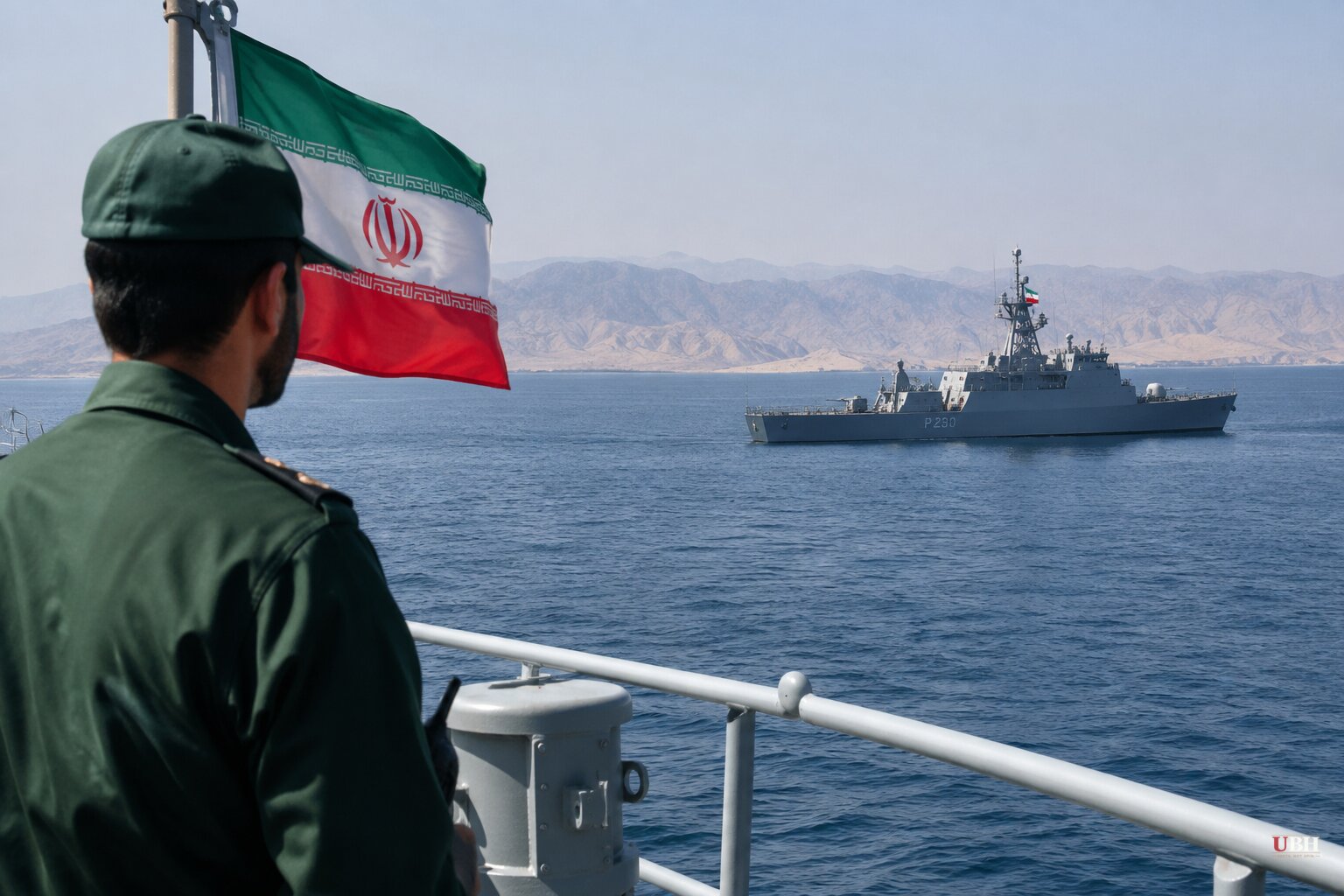
Since the Islamic Revolutionary Guard Corps first claimed capture of a U.S. underwater drone on Sept. 8, Tehran says its navy has now seized a second one, this time a Remus 600 vehicle intercepted Sunday, Sept. 27, in the Strait of Hormuz.
The Tasnim News Agency, citing the IRGC, said the drone was captured through a "coordinated intelligence and electronic warfare operation" and handed to military specialists to recover its data, according to Euronews. Neither U.S. Central Command nor the Department of Defense had confirmed or denied the claim as of Sunday.
That silence contrasts with how CENTCOM handled the first seizure. When Iran claimed on Sept. 8 to have captured an Anduril Dive-LD submersible, CENTCOM spokesman Capt. Timothy Hawkins told the Epoch Times the vehicle had simply malfunctioned and drifted toward Iranian waters. Hawkins called it "an older model that neither collected sensitive data nor carried any classified sonar or radar equipment." No comparable U.S. explanation has been offered for the Remus 600 claim.
Araghchi: 'Even if it comes to a doomsday war'
Iranian Foreign Minister Abbas Araghchi appeared on NBC's Meet the Press Sunday and told moderator Kristen Welker that Iran remains open to diplomacy but is not backing down. "We are fully prepared for the war to be resumed. We stand firm in the face of any new aggression, even if it comes to a doomsday war," Araghchi said, according to NBC News.
He was responding directly to a Wall Street Journal report, cited by CNBC, that quoted unnamed U.S. officials saying President Trump has told aides he expects to resume bombing Iran after November's midterm elections. "We don't care about U.S. midterm elections," Araghchi said. "We care about our national interests."
Araghchi also said Trump's public rejection of Tehran's proposal to reopen the Strait of Hormuz within seven days has still not been formally relayed to Iran through Qatari mediators, despite Trump telling reporters Saturday, "I rejected their deal. They want to make a deal where they open the strait immediately because they're losing so badly."
Waltz calls the offer a bluff
U.S. Ambassador to the United Nations Mike Waltz, also on Meet the Press, said the offer was rejected for "a number of reasons," arguing Washington could not accept Iran regaining access to billions of dollars in frozen assets. "I think this was a pretty cynical attempt to put something on the table that they knew was unacceptable," Waltz said, per NBC News, adding he questioned "who's calling the shots in Iran right now."
Tehran's position, laid out by Araghchi to NBC, is that Iran is only asking Washington to honor terms both sides already accepted in the June memorandum of understanding: an end to the naval blockade, release of frozen Iranian assets, and the ability to sell oil. Araghchi called the conditions "not new."
Iran's military says the fight isn't finished
Iranian army commander-in-chief Amir Hatami told the Islamic Student News Agency, as reported by CNBC, that "the war is not over" and that Iranian forces "must continue to be prepared to receive heavy blows." Iranian Foreign Ministry spokesman Esmaeil Baghaei separately told reporters Wednesday that Tehran's demands, including an end to the U.S. blockade and release of frozen assets, represented "nothing new," according to Breitbart.
One widely circulated wire item, published by IndiaVision, misidentified Iran's foreign minister as "Hossein Amirabdollahian" while describing the same drone-capture story that other outlets correctly attribute to Araghchi. Every other source reviewed here, including NBC News and CNBC, names Araghchi as the current foreign minister making these statements.
What's unresolved
Two things remain unconfirmed as of Sunday. First, whether Trump's rejection of Iran's Hormuz proposal has actually been transmitted to Tehran through Qatari intermediaries, something Araghchi says has not happened even though Trump announced it publicly. Second, whether CENTCOM will confirm or deny that a second U.S. underwater drone was lost or captured in the strait, as it did within roughly a day of the first claim on Sept. 8. Until Washington responds, the size and sensitivity of any data Iran may have recovered from the Remus 600 is unknown.
Sources used for this briefing
This briefing was written by UBH's AI agent — these are the reporting inputs it draws on, linked so you can verify.


